

Photo: Alamy
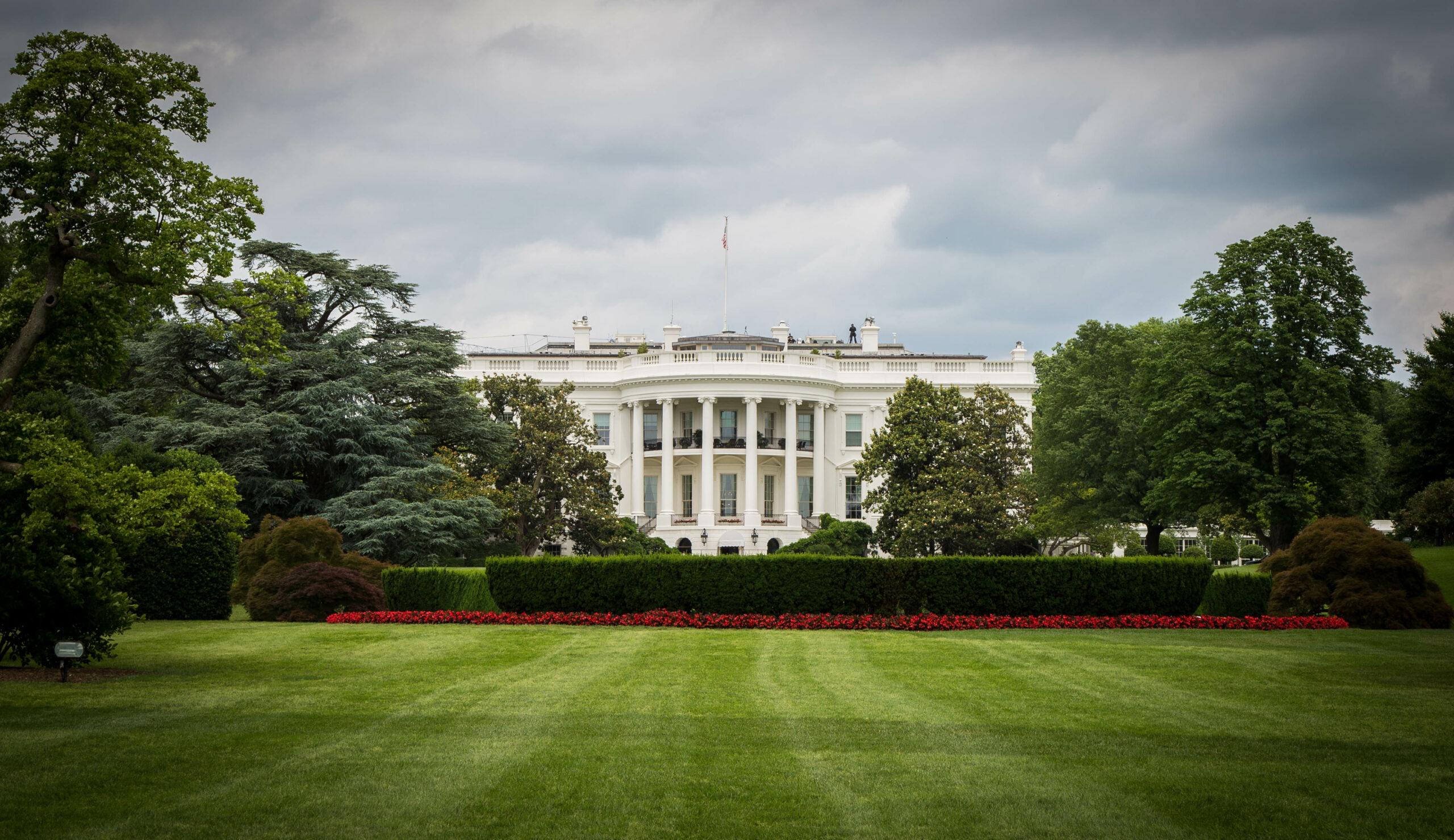
The U.S. Commission of Fine Arts on Thursday approved President Donald Trump’s proposal to build a new ballroom on the White House grounds, advancing a project that would replace the former East Wing with a structure larger than the White House itself.
The seven-member panel is one of two federal bodies required to review the plan. The National Capital Planning Commission, which oversees major construction and renovation projects involving federal property in the Washington region, is also considering the proposal.
“Received the Commission of Fine Arts approval today for what will soon be the Greatest Ballroom ever built!” the president posted to Truth Social on Thursday.
Commission members had been scheduled to vote only on the design concept after hearing a follow-up presentation from the project’s architect, with final approval planned for next month. However, after approving the design, Chairman Rodney Mims Cook Jr. introduced an additional motion for final approval during the same meeting. Five of the seven commissioners voted in favor.
The proposed 90,000-square-foot ballroom would be nearly twice the size of the 55,000-square-foot White House and is intended to accommodate about 1,000 guests. By comparison, the East Room, currently the largest room in the White House, holds just over 200 people.
Trump has said the expanded space would eliminate the need to erect temporary structures on the South Lawn for state dinners and other large events.
“Our sitting president has actually designed a very beautiful structure and, as was said, in the comments earlier, the United States just should not be entertaining the world in tents,” Cook said.
President Trump has said the ballroom would cost about $400 million and be financed through private donations. The White House has released only a partial list of donors.
The National Trust for Historic Preservation has filed a federal lawsuit seeking to halt construction, arguing that the project has not undergone adequate review. A ruling is pending.
The National Capital Planning Commission is expected to discuss the proposal further at its March 5 meeting. White House officials have defended the demolition of the East Wing, citing structural instability, water damage and mold contamination as reasons preservation was not feasible.