

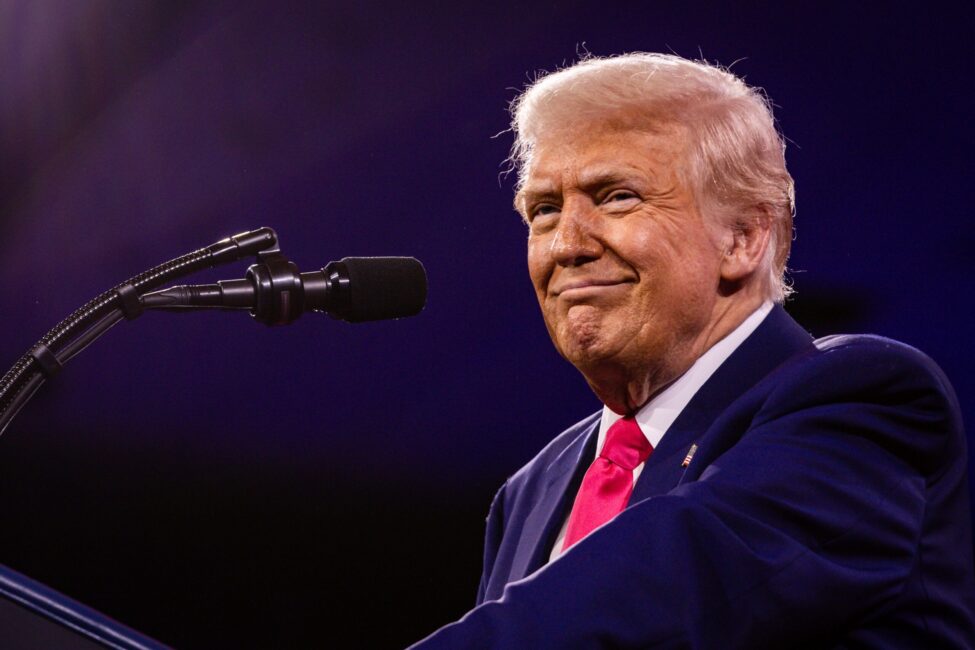
Photo: Alamy
U.S. employers posted more job openings than expected in April, with hiring and layoffs also increasing, signaling a relatively stable labor market, according to government data released Tuesday.

The Bureau of Labor Statistics reported that job openings rose to nearly 7.4 million in April, an increase of 191,000 from March and above economists’ expectations of 7.1 million. Despite the monthly gain, job openings were still down by about 3 percent, or 228,000 positions, from the previous year.
Hiring rose by 169,000 to 5.6 million, while layoffs also increased, climbing by 196,000 to 1.79 million. Meanwhile, the number of workers quitting declined by 150,000 to 3.2 million.

“The labor market is returning to more normal levels despite the uncertainty within the macro outlook,” wrote Jeffrey Roach, chief economist at LPL Research. “Underlying patterns in hirings and firings suggest the labor market is holding steady.”
The Job Openings and Labor Turnover Survey (JOLTS) report comes just days ahead of the closely watched nonfarm payrolls report for May. Economists expect job growth of 125,000 for the month, a decrease from April’s 177,000 figure, with the unemployment rate projected to remain unchanged at 4.2 percent.
The Commerce Department reported Tuesday that new orders for manufactured goods dropped more than expected in April, declining 3.7 percent in a sharper fall than the 3.3 percent drop projected by Dow Jones. The decrease follows a surge in March, as some businesses rushed to make purchases ahead of potential tariffs under President Donald Trump’s trade policy.
“For many sectors, I’m not hearing that the labor markets are changing in material ways,” Atlanta Fed President Raphael Bostic told reporters Tuesday. “At the macro level, I haven’t gotten sort of a strong overarching picture or impression that things are moving in a significant way, and we’ll just have to see if that stays or whether something changes.”
Federal Reserve officials are closely monitoring labor and manufacturing data as they weigh future interest rate decisions. Although some worry that tariffs could contribute to inflation and hinder hiring, those effects have yet to show in core economic indicators.