

Photo: Alamy
A Georgia judge has denied Jose Ibarra’s request for a new trial in the killing of Laken Riley, leaving in place his murder conviction and life-without-parole sentence in a case that became a national flash point in the immigration debate.

Athens-Clarke County Superior Court Judge H. Patrick Haggard rejected the request after defense attorneys argued Ibarra’s constitutional rights were violated before trial. The defense had asked for a delay to allow a DNA expert additional time to review evidence and also challenged cellphone evidence presented by prosecutors.
Haggard convicted Ibarra in November 2024 on all 10 charges, including malice murder and felony murder, after Ibarra waived his right to a jury trial. Riley, 22, was killed in February 2024 near the University of Georgia campus in Athens.

The ruling preserves one of Georgia’s most closely watched murder convictions in recent years and keeps intact a case that quickly became part of a broader national debate.
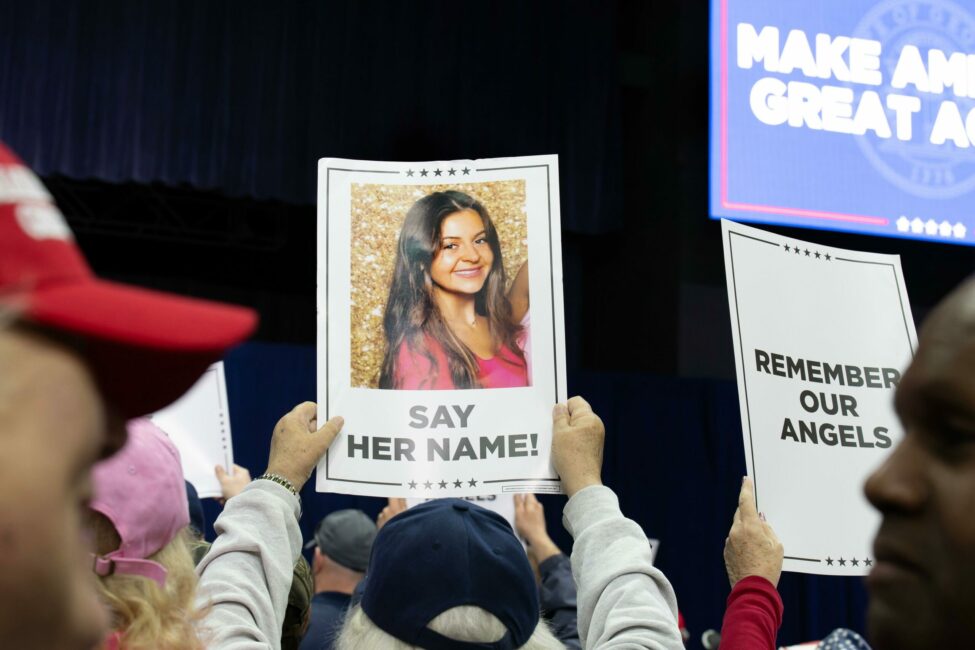
Riley’s death became a major issue during the 2024 presidential campaign, with Republicans, including President Donald Trump, citing the case while advocating for stricter immigration enforcement.
At the time, Trump campaign spokesperson Anna Kelly said the president was working to ensure “no other family endures the tragedy of losing a child at the hands of an illegal immigrant,” according to Reuters.
The judge also determined that the defense was still able to challenge the DNA evidence during the trial despite the denial of its request for a delay. Regarding the cellphone evidence, Haggard ruled that investigators were justified in initially seizing the devices due to urgent circumstances and later obtained warrants before searching them.
Ibarra’s attorneys have said they plan to appeal the conviction. Under Georgia law, filing a motion for a new trial pauses the deadline for filing a notice of appeal until the motion is resolved, making Haggard’s ruling an important procedural step before the case moves to a higher court.
On Jan. 29, 2025, President Trump signed the Laken Riley Act into law. The White House said the measure requires the secretary of Homeland Security to detain noncitizens charged in the United States with theft and certain other crimes.