

Photo: Alamy
The White House on Wednesday released its 2026 United States Counterterrorism Strategy, outlining key threats facing the country and the administration’s approach to addressing them.

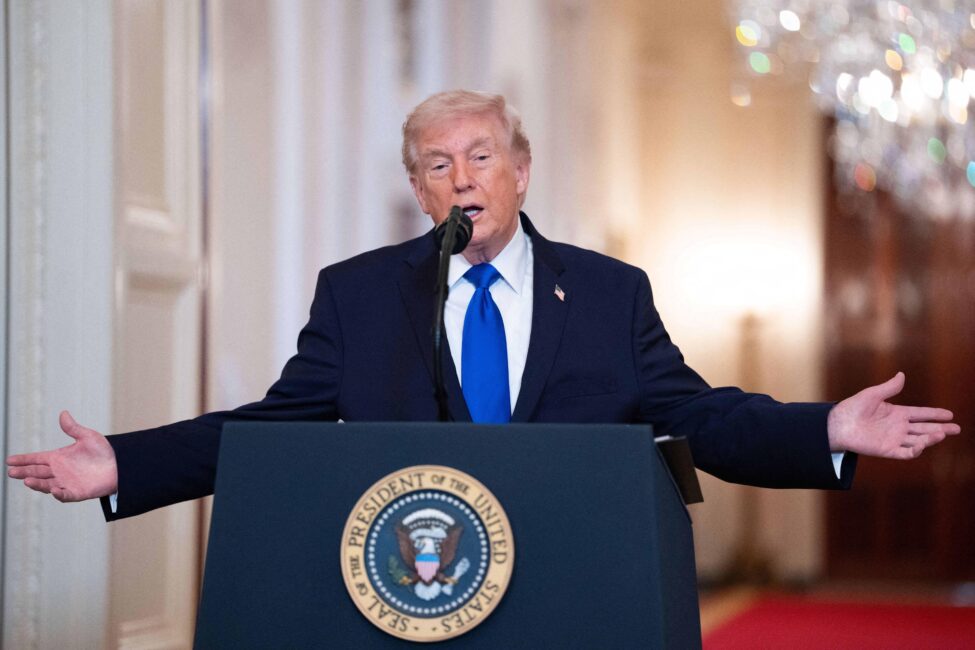
In a foreword to the document, President Donald Trump described the plan as a return to a “Peace through Strength” approach.
“Our new U.S. Counterterrorism Strategy is a return to common sense and Peace through Strength,” the president wrote. “As I said after our first successful counterterrorism mission, just days after I was sworn back in office – if you hurt Americans, or are planning to hurt Americans, ‘We Will Find You and We Will Kill You.’”

The strategy identifies three primary categories of threats: narcoterrorists and transnational criminal gangs, legacy Islamist extremist groups and violent left-wing extremists, including anarchist and anti-fascist movements.
It also includes criticism of the U.S. Intelligence Community, stating that prior leadership had allowed it to become politicized or overly reliant on outdated threat assessments.
The administration outlined three central objectives in the strategy: detecting threats before attacks occur, disrupting financial networks that support terrorism, and dismantling established groups.
“Americans have witnessed politically motivated killings of Christians and conservatives increase, committed by violent left-wing extremists, including the assassination of my friend, Charlie Kirk, by a radical who espoused extremist transgender ideology,” White House counterterrorism chief Sebastian Gorka said.
“We are seeing an ideology that ostensibly began by preaching tolerance being used by specific actors to wage violence against the most innocent little children at Catholic schools, at churches. This is a threat we will take very seriously, whether you are right-wing-inspired or left-wing-inspired,” he added.
Officials also called for expanding the use of the Foreign Terrorist Organization designation to include certain gangs and drug cartels, a move intended to give federal agencies broader legal tools and resources to combat those groups.
The strategy reflects a broader effort by the administration to reshape national security priorities and counterterrorism policy.