

Photo: Alamy
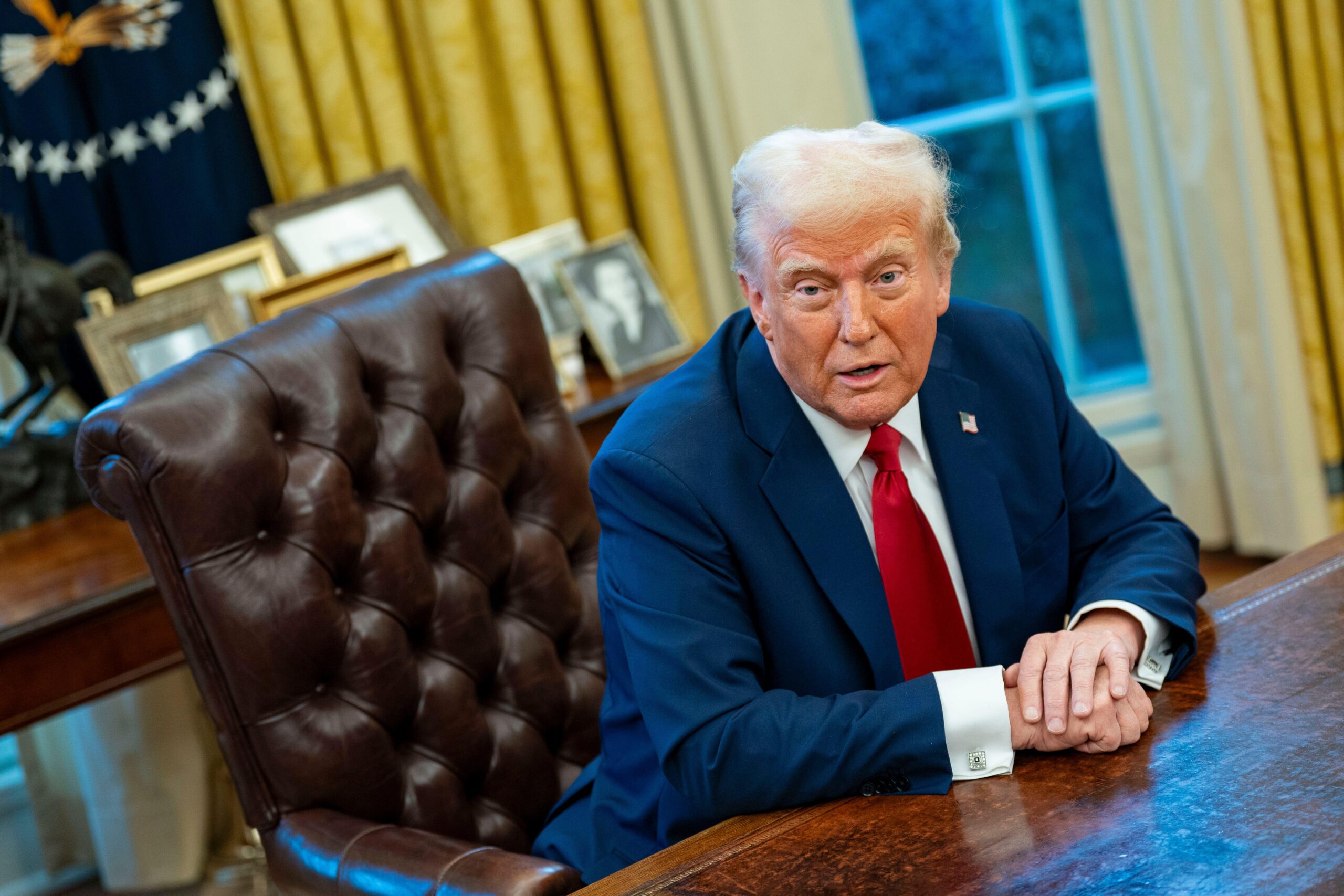
President Donald Trump on Thursday signed an executive order laying out a new space agenda, including plans for the United States to return American astronauts to the moon by 2028.

The order was signed just hours after billionaire entrepreneur Jared Isaacman was sworn in as NASA’s new administrator. Isaacman replaces Transportation Secretary Sean Duffy, who had been serving in the role on an interim basis.
In addition to a lunar return, the order calls for the early development of a permanent U.S. presence on the moon, with initial elements of a lunar outpost to be established by 2030. It also directs NASA and other agencies to move forward with deploying nuclear power systems in space, including reactors in orbit and a nuclear reactor on the lunar surface, ready for launch by the end of the decade.

“Superiority in space is a measure of national vision and willpower, and the technologies Americans develop to achieve it contribute substantially to the Nation’s strength, security, and prosperity,” President Trump wrote in the executive order.
“The United States must therefore pursue a space policy that will extend the reach of human discovery, secure the Nation’s vital economic and security interests, unleash commercial development, and lay the foundation for a new space age,” he continued.
President Trump said the initiative reflects his administration’s focus on reasserting U.S. leadership in space exploration while protecting American national and economic security interests both in orbit and beyond.
The executive order directs NASA to deliver a detailed plan outlining how it will meet the administration’s space goals by mid-March. It also instructs the assistant to the president for science and technology to produce a draft framework for a National Initiative for American Space Nuclear Power by mid-February.
Isaacman, a technology executive with close ties to SpaceX founder Elon Musk, was confirmed by the Senate on Wednesday. He has previously flown on private space missions and has backed commercial space projects, signaling a continued emphasis on public-private partnerships as the administration pushes forward with its space ambitions.