

Photo: Alamy
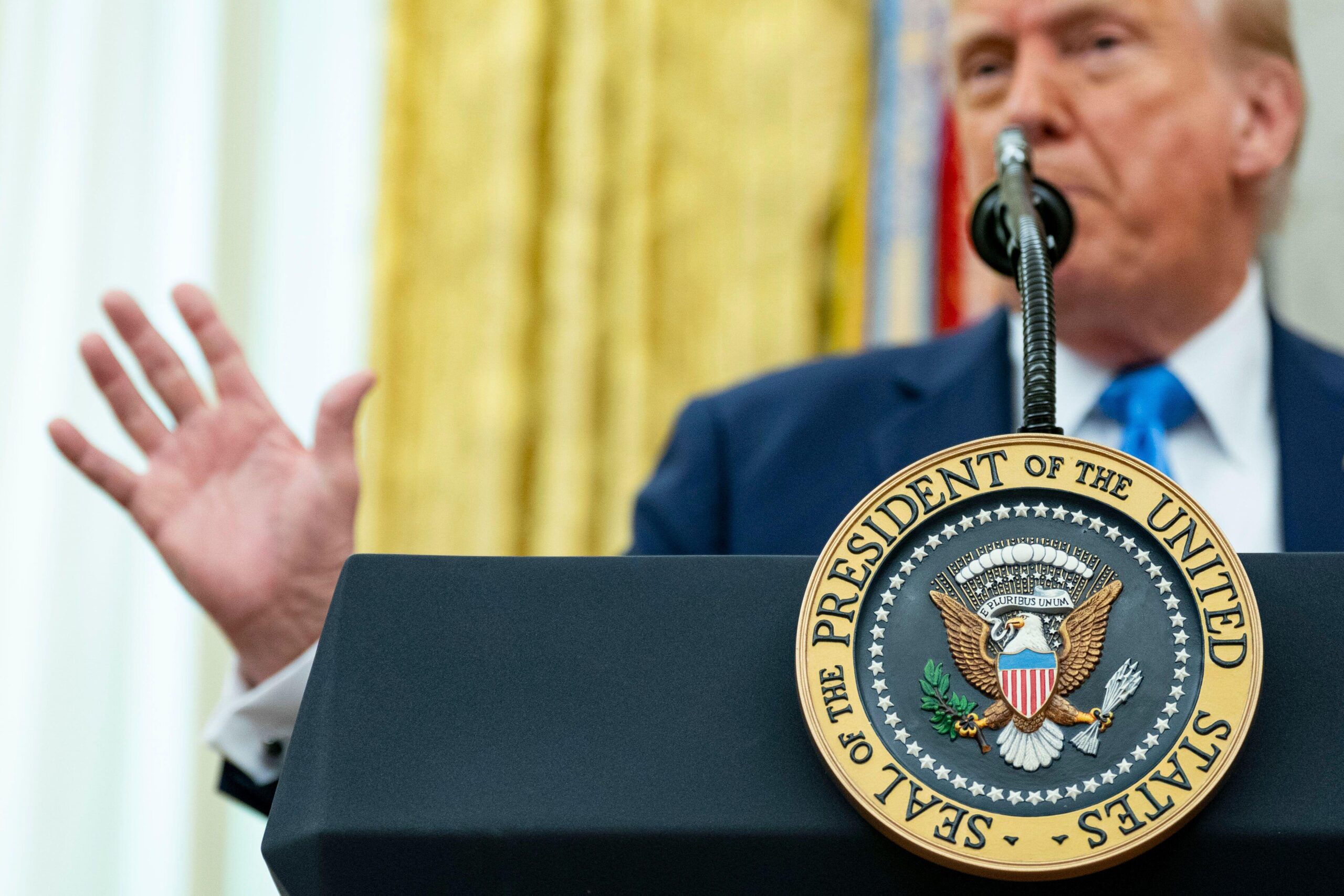
President Donald Trump is expected to announce nearly $700 million in new federal support for the U.S. coal industry on Thursday, according to reports.

The administration plans to use powers under the Defense Production Act, a Cold War-era law that allows presidents to support industries considered vital to national security.
According to a Bloomberg report, the package includes approximately $425 million for 13 existing coal-fired power plants, $75 million for a coal export terminal in California, and $185 million in grants from the United States Department of Energy to help build new coal plants in Alaska and West Virginia while restarting a shuttered facility in Maryland.

The initiative is part of a broader effort by the Trump administration to revive the coal industry, which has experienced decades of decline as utilities shifted toward natural gas and renewable energy sources.
Coal currently provides about 16 percent of U.S. electricity generation, a significant drop from previous decades when it dominated the nation’s power supply.
The administration has also moved to loosen environmental regulations and extend the operating lives of some coal plants scheduled for retirement, arguing the steps are necessary to protect grid reliability and strengthen energy security.
Environmental organizations criticized the expected funding package, saying it would prolong reliance on aging, high-emission power plants and potentially raise consumer costs.
Supporters of coal maintain that the fuel remains an important source of dependable, around-the-clock electricity, especially during periods of extreme weather or high energy demand. Critics argue that coal remains among the most carbon-intensive energy sources and contributes heavily to air pollution and greenhouse gas emissions.
Coal use in the United States peaked in 2007 and has steadily fallen amid market pressures, expanding renewable energy development and stricter environmental standards.
President Trump has increasingly relied on the Defense Production Act, a measure first signed by former President Harry Truman during the Korean War to boost steel manufacturing for national defense purposes.
In recent years, the law has also been used to speed up production of face masks during the COVID-19 crisis, expand domestic solar energy initiatives, and address shortages of baby formula. Under President Trump, the law has been applied more broadly to strengthen domestic energy production, including efforts to revive offshore oil operations along California’s coast.