

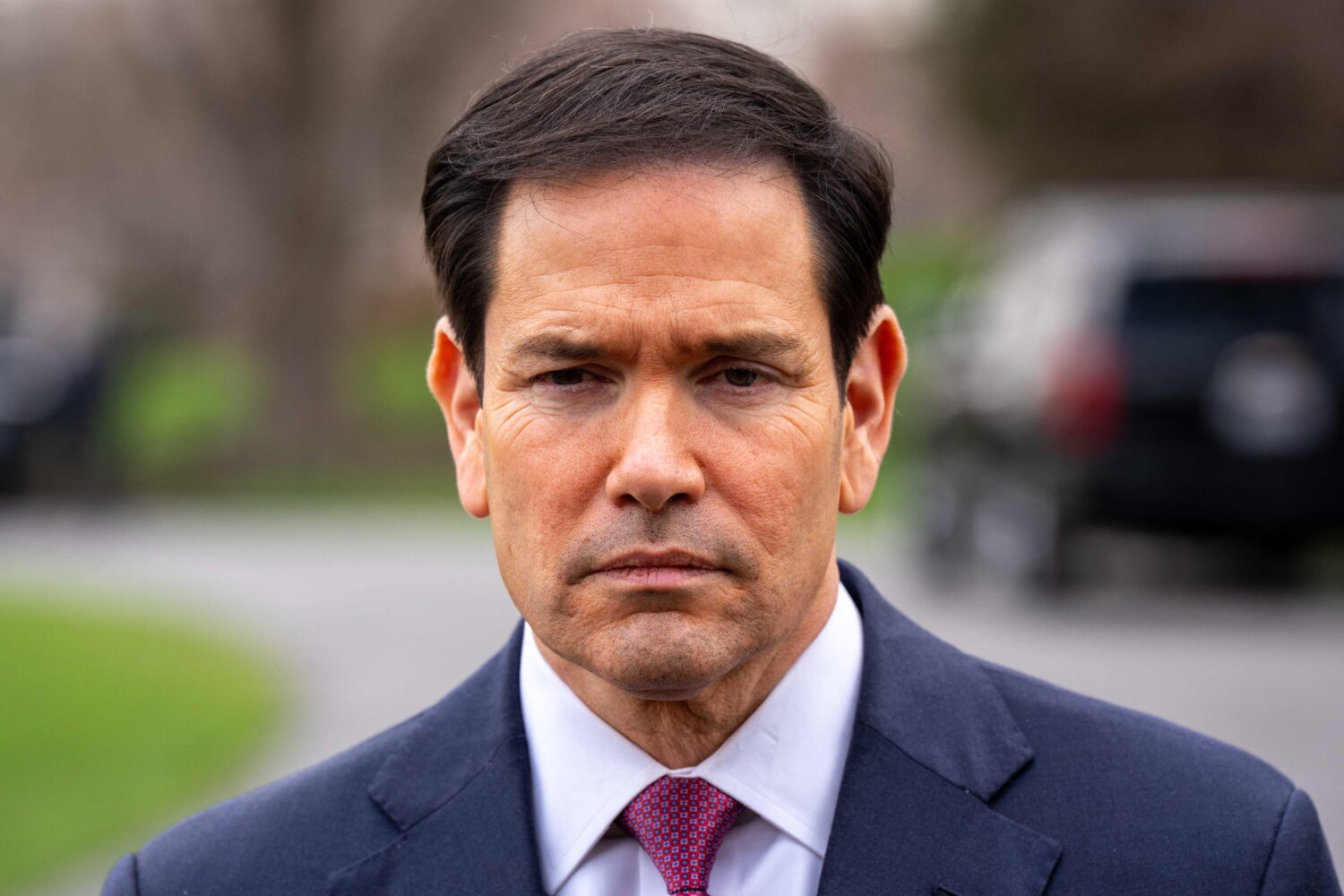
Photo: Alamy
Secretary of State Marco Rubio said Thursday that the Trump administration’s latest sanctions on Cuba are part of a broader effort to pressure the island’s communist government economically and politically.

“We will continue to take action until the regime takes all necessary political and economic reforms,” Rubio wrote on social media, adding that the United States “will not stand by while Cuba’s communist regime threatens our national security in our hemisphere.”
The new sanctions target Grupo de Administracion Empresarial S.A., commonly known as GAESA, along with its executive president Ania Guillermina Lastres Morera and mining venture Moa Nickel S.A.

The State Department described GAESA as a central pillar of Cuba’s military-controlled economy, alleging it oversees major sectors including tourism, banking and commerce while controlling large offshore assets.
The sanctions were imposed under an executive order signed by President Donald Trump on May 1 that expanded the administration’s authority to penalize individuals and organizations tied to repression in Cuba or threats to U.S. national security.
The measures freeze U.S.-based assets linked to the sanctioned entities and prohibit Americans from engaging in transactions with them. Foreign financial institutions doing business with the targeted sectors could also face penalties.
The move is part of a broader Trump administration campaign aimed at increasing pressure on leftist governments in Latin America, particularly Cuba and Venezuela. U.S. officials have accused Havana of supporting the Venezuelan government through intelligence and security cooperation.
“Cuba, which we will be taking over almost immediately, on the way back from Iran, maybe the U.S. Abraham Lincoln, the biggest in the world, we will have that come in, stop about 100 yards offshore, and they will say thank you very much, we give up,” President Trump said last week.
Cuban officials have condemned the sanctions as coercive and harmful to the Cuban people, while international critics, including some U.N. experts, have warned that the expanding restrictions risk worsening humanitarian conditions on the island.