

Photo: Alamy
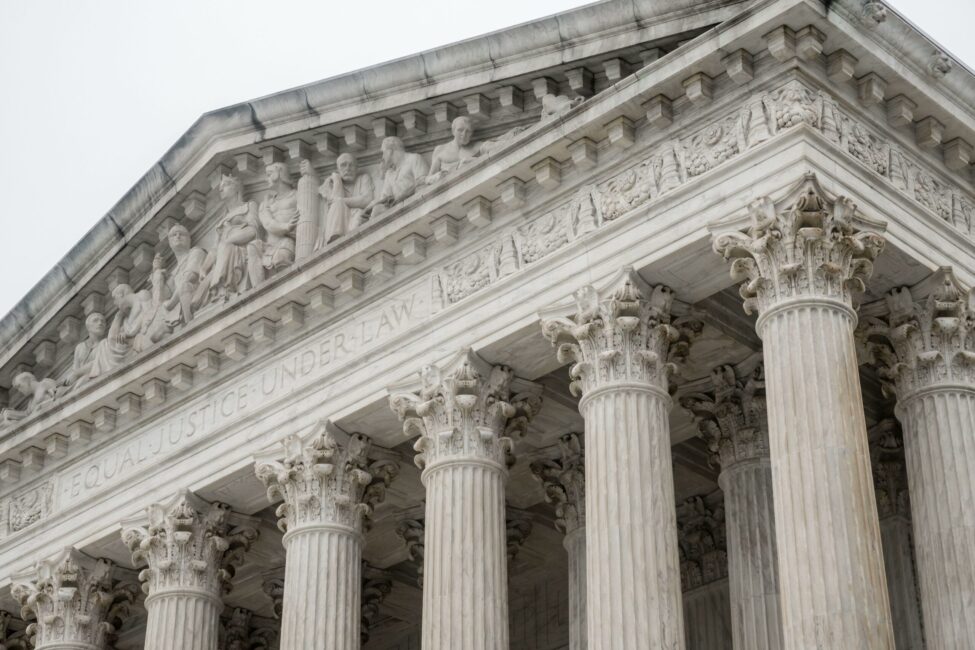
The U.S. Supreme Court on Monday granted the Trump administration permission to resume deporting some illegal immigrants to third countries without first allowing them to present claims of potential harm.

In a 6-3 decision, the justices lifted a lower court order issued by U.S. District Judge Brian Murphy that had required immigration authorities to provide individuals slated for deportation with a meaningful chance to argue they would face torture or persecution in a receiving country.
The court’s liberal justices, Sonia Sotomayor, Elena Kagan and Ketanji Brown Jackson, dissented from the ruling.

Murphy’s injunction stemmed from a class action lawsuit brought by immigrant advocacy groups on behalf of a group of detainees facing removal to politically unstable countries, including South Sudan, Libya, and others. The migrants were being held at a military base in Djibouti while legal proceedings played out.
One detainee, a man from Myanmar, was ultimately returned. Others, including individuals from Cuba, Mexico, Laos and Vietnam, were subject to the policy challenged in court.
The Trump administration defended its actions in an emergency Supreme Court filing on May 27, arguing that all individuals on the deportation flight to South Sudan had been convicted of “heinous crimes,” including murder and armed robbery. Officials also claimed that third-country deportations are essential when countries of origin refuse to accept their nationals returning home.
Earlier this year, the Department of Homeland Security formalized guidance allowing deportations to third countries without a hearing if diplomatic assurances of safety are in place. If no such assurances are provided and the migrant expresses fear, an additional review may be triggered.
Murphy had found that this process fell short of constitutional due process requirements, which generally mandate notice and an opportunity to be heard before adverse government action. He ruled that deportations without such protections could endanger lives, citing widespread instability in countries like South Sudan.
The Supreme Court’s ruling marks another victory for Trump’s immigration agenda. In recent weeks, the court has sided with the administration in other high-profile cases, including the termination of temporary humanitarian protections for certain groups of migrants.