

Photo: Alamy
The United States doubled tariffs on steel and aluminum imports Wednesday, the same day President Donald Trump’s administration called on trading partners to submit their “best offers” to avoid sweeping new import duties set to take effect in early July.

European Union trade negotiator Maros Sefcovic said he had “a productive and constructive discussion” with U.S. Trade Representative Jamieson Greer in Paris on Wednesday.
“We’re advancing in the right direction at pace — and staying in close contact to maintain the momentum,” Sefcovic said on X, though he did not disclose details. He had planned to argue for reducing or eliminating threatened tariffs on EU goods.

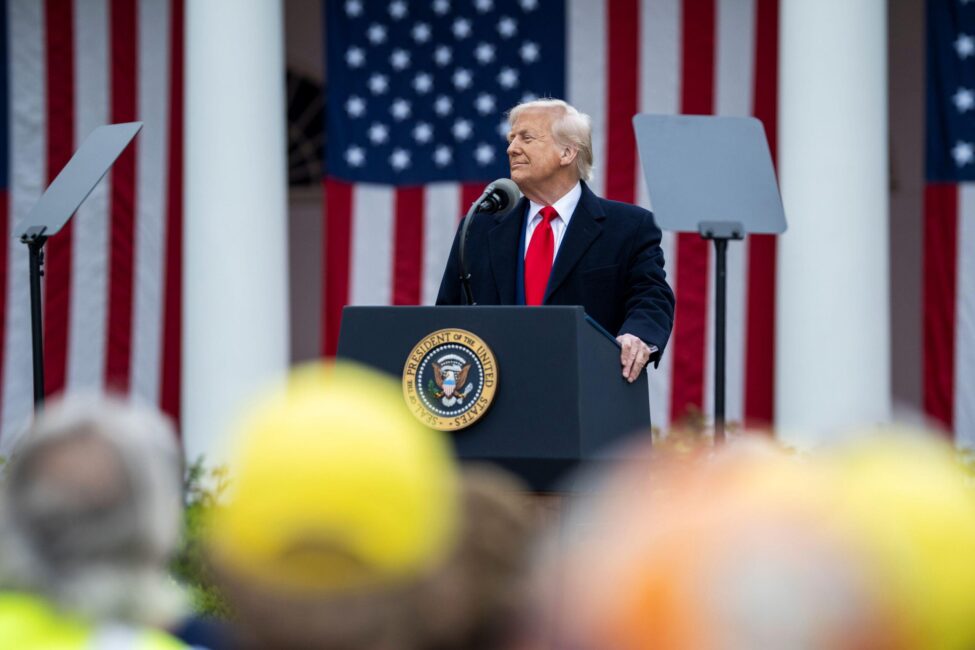
Trump on Tuesday signed an executive proclamation that raised tariffs on imported steel and aluminum from 25 to 50 percent, effective starting Wednesday.
“We started at 25 and then after studying the data more, realized that it was a big help, but more help is needed. And so that is why the 50 is starting tomorrow,” White House economic adviser Kevin Hassett said at a steel industry conference in Washington.
The new rates apply to all U.S. trading partners except the United Kingdom, the only nation to reach a preliminary trade agreement with the U.S. during a 90-day pause on broader tariffs. The U.K. will retain the 25 percent rate through at least July 9.
The United States imports about one-quarter of its steel, and Census Bureau data indicate that the higher tariffs will impact major trade partners, particularly Canada and Mexico. Canada is particularly vulnerable with aluminum, exporting more to the U.S. than the following 10 countries combined.
Canadian Prime Minister Mark Carney’s office said Canada is “engaged in intensive and live negotiations to have these and other tariffs removed.”
The tariff hike upset global metals markets, particularly aluminum, which has seen price premiums more than double this year.
Wednesday also marked the deadline for countries to present proposals to avoid broader “reciprocal” tariffs Trump has threatened to impose in five weeks. Only the U.K. has reached a tentative framework with the U.S. since the pause began on April 9.