

Photo: Alamy
The U.S. Department of Agriculture is taking steps to squash a destructive pest, the New World screwworm (NWS), that has been identified in Texas, near the U.S.-Mexico border.

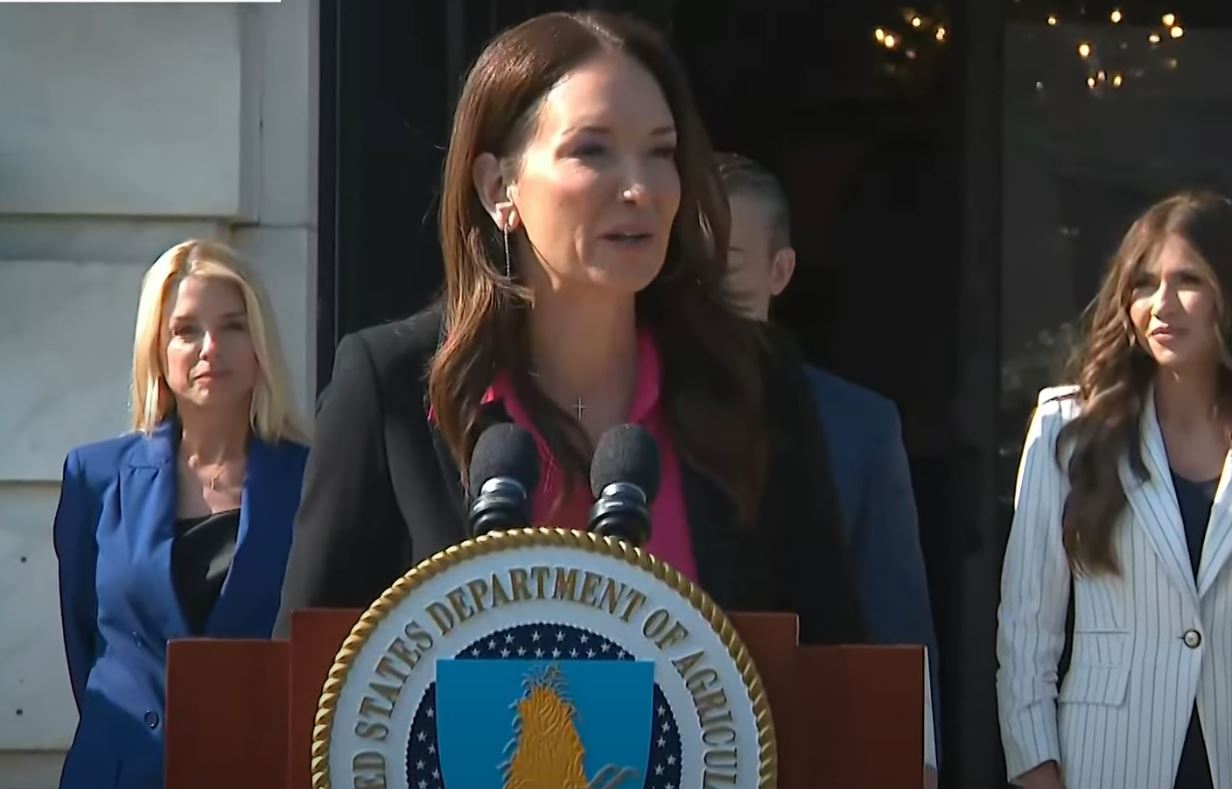
“It is a vexing challenge that we thought we had beaten in 1960s and 1970s, as I mentioned – that was wrong, as the screwworm began to make its way back toward us in 2021,” USDA Secretary Brooke Rollins told the House Committee on Agriculture on Thursday.
The NWS is a devastating pest that can inflict unthinkable death and destruction on animals and the cattle industry. According to the USDA, this threat was eradicated at one time, but reemerged in recent years, culminating in a recently confirmed case just this week in Zavala County, Texas.

NWS larvae burrow into the flesh of living animals, causing extreme damage to livestock, per the USDA.
Rollins told lawmakers on Thursday that “the way we defeated it before” was by utilizing a strategy based on sterilization. She explained that sterile flies could be released to mate with the NWS, therefore sterilizing the infectious pest and stopping the spread of these vicious creatures.
Rollins said that the U.S. needs 400 to 500 million sterile flies per week to beat the threat of NWS. “We only have one facility in our entire hemisphere, and it’s only producing 100 million flies per week,” she said. “So, we got immediate approval to begin permitting and begin construction on what will be the largest facility in the world on this, and that is being built right now in Mission, Texas.”
She said they broke ground on this facility “three or four months ago,” thanks to the fast-track approval process expedited by Secretary of War Pete Hegseth and the U.S. Army Corps of Engineers.
Rollins also said that once this facility is operational, it will produce roughly 300 million sterile flies weekly. This will be in addition to the 100 million flies weekly produced by the singular facility already in existence, located in Panama.
“We will get to the point where we’re able to push it back and eradicate it,” she said. “But until that point, which is likely sometime next year, our effort in trapping, surveillance; we had FDA fast-track a lot of treatment…making sure we’re overcommunicating to our producers, is paramount.”
The USDA said in a press release this week that it had deployed personnel to the area of South Texas, establishing an “infested zone around the detection,” and working to expedite the release of additional sterile NWS flies into the area.
