

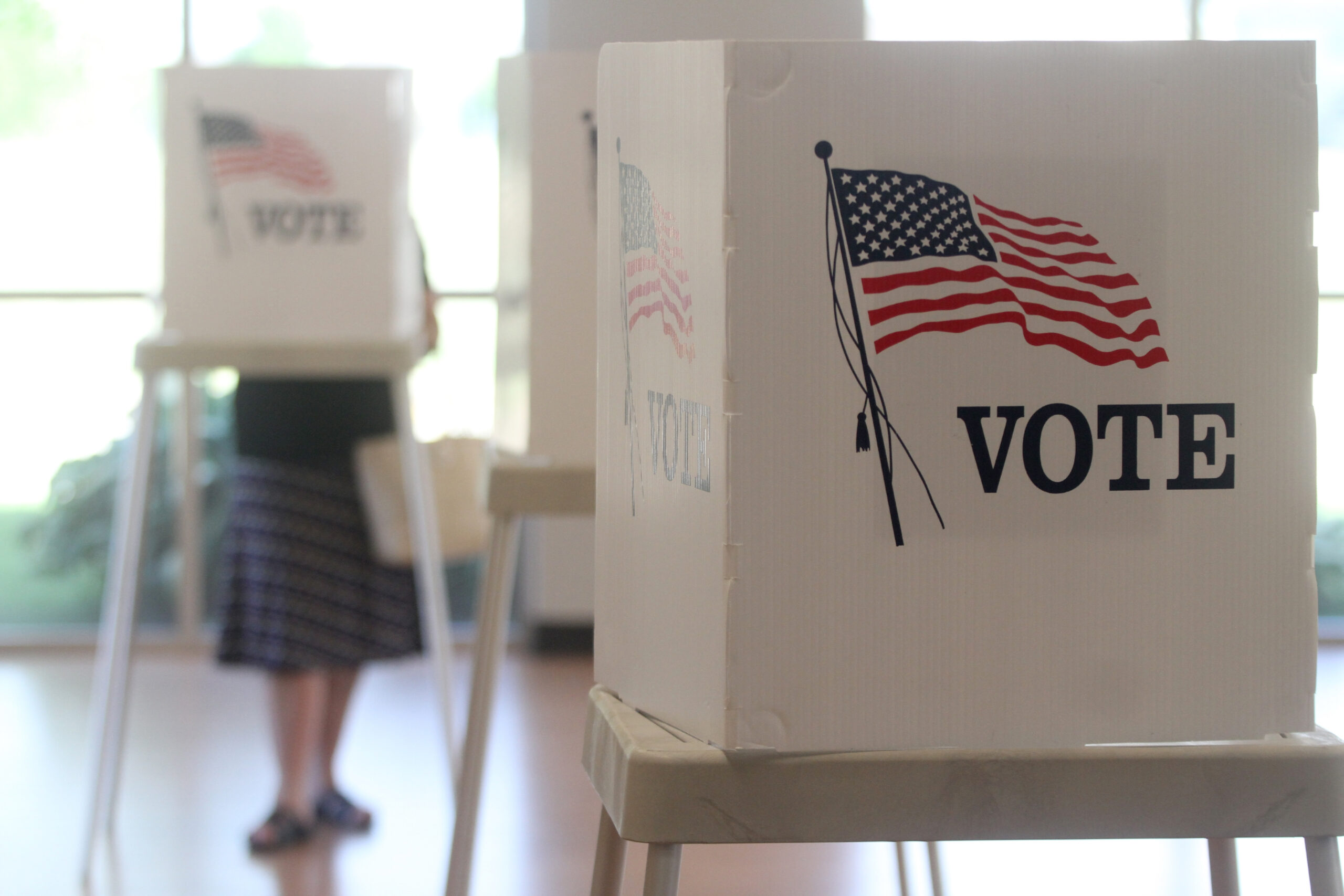
Voters in several states, including Nevada, will decide on Election Day whether to adopt a new election system called ranked-choice voting for local, statewide and legislative primaries to replace the traditional single-party candidate voting system.
What is ranked-choice voting?
Ranked-choice voting (RCV) consists of voters casting their ballot based on ranking all the candidates in a crowded race from first to last place with open primaries. Anyone can vote regardless of party affiliation with ranked-choice voting based on the personal favorability of the candidates.

When no candidate reaches a majority of 50 percent of the votes, then the least popular candidate is eliminated.
Next, a computer system will continue to count your vote based on your next choice for several rounds (second, third, or fourth) until two candidates are left who win 50 percent of the votes.

Alaska, Maine and 62 jurisdictions, such as New York City, already actively include ranked-choice voting as their voting system.
Why does ranked-choice voting marginalize the electoral process?
Ranked-choice voting will change the landscape of the electoral process in several states, while creating more distrust and lack of confidence with a confusing and complex new voting process. Proponents argue ranked-choice voting increases voter participation while decreasing the deep divides of political polarization.
However, rank choice-voting forces voters to vote for candidates that their values don’t align with them during an open primary by splitting the vote to more moderate or third party candidates.
For example, in one scenario, if voters come together to vote out a true conservative candidate they do not like as their first preference choice when no one wins the 50 percent majority, then the less popular left-leaning Republican candidate based on ranked-choice voting moves forward.
This happens as the votes are redistributed based on second preference until 50 percent of the majority is selected as opposed to leaving out a true conservative candidate for the general election.
In addition, if a voter fills out their ballot incorrectly by only filing out their first preference, then their ballot is immediately tossed out of the process.
Say “No” to ranked-choice voting
Voting for one candidate based on the candidate’s political party has worked since the birth of America. Ranked-choice voting undermines the voting process when a voter only casts one vote for their candidate.
As the key November election draws closer, voters in five states need to be educated about problematic ranked-choice voting ballot initiatives. It’s time to say no to ranked-choice ballot initiatives in November.