

Photo: Adobe Stock
Am I the wandering soul needing a home, or the brother needing a graceful heart?

One of the most impactful passages in the New Testament is the story of the prodigal son. Jesus, in sharing this parable, explains the account of a father with two sons. One son appeared to have his affairs in order. He obeyed his father, stayed home, and seemed to need little correction. The other son, however, appeared more concerned with his future inheritance than with faithfulness. He demanded his portion early and left, choosing instead to live in the world.
The second son quickly wasted what he had been given. Scripture tells us that he “squandered his property in reckless living” (Luke 15:13). The money vanished, the friends disappeared, and the lifestyle collapsed. He eventually found himself broke, starving, and longing for even the food given to pigs. Desperation set in, and he returned home, hoping only to be treated as a hired servant.

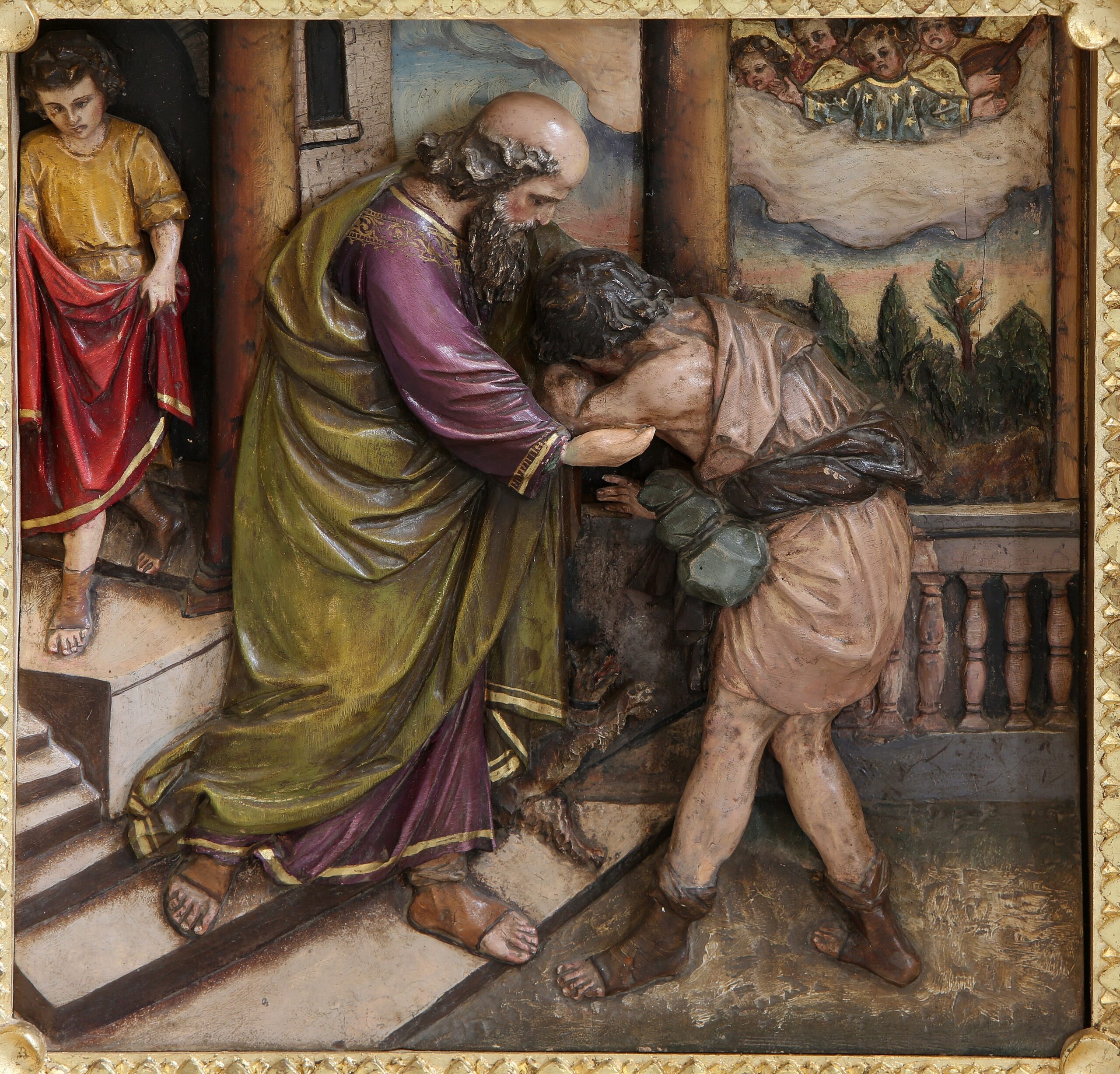
The account ends with the father, who was undoubtedly disappointed by his son’s decisions and recklessness, doing something unexpected. He forgave him, embraced him, and immediately tended to him, ensuring that he was clothed, fed, and restored. Rather than rebuke him publicly, the father ran to him. The father welcomed him before the son could even apologize. Meanwhile, the son who never left struggled to understand the grace he witnessed his father extend.
The parable of the prodigal son is, in many ways, the story of the Christian believer. Jesus Christ is one with the Father, and He forgives the sins of His sheep. Sadly, some believers live carelessly for a while, whether briefly or for a long time. Yet God’s sheep always return. They may wander, but they are not abandoned. Like the prodigal son, they are drawn home by grace.
God does not merely show grace in this parable; forgiveness is a central element of the parable, too. Jesus made this clear when He taught, “For if you forgive others their trespasses, your heavenly Father will also forgive you, but if you do not forgive others their trespasses, neither will your Father forgive your trespasses” (Matthew 6:14-15). The father’s actions in the parable powerfully illustrate forgiveness.
Yet grace and forgiveness are linked to something even greater: unconditional love. Surely the father was disappointed. Love does not deny wrongdoing. But his love was greater than disappointment, and that love paved the way for forgiveness and restoration of the soul. Scripture is clear that genuine biblical love is foundational to the Christian life: “So now faith, hope, and love abide, these three; but the greatest of these is love” (1 Corinthians 13:13).
An often-overlooked lesson emerges from the reaction of the faithful son. His shock reveals a prideful heart, a belief that obedience somehow entitled him to more grace than his brother. His father gently corrected him as well, saying, “Son, you are always with me, and all that is mine is yours. It was fitting to celebrate and be glad, for this your brother was dead, and is alive; he was lost, and is found” (Luke 15:31–32).
The closing words of the parable capture its meaning: lost, yet found. Dead, yet alive. As the familiar hymn reminds us, I once was lost, but now am found; was blind, but now I see.