

Photo: Alamy
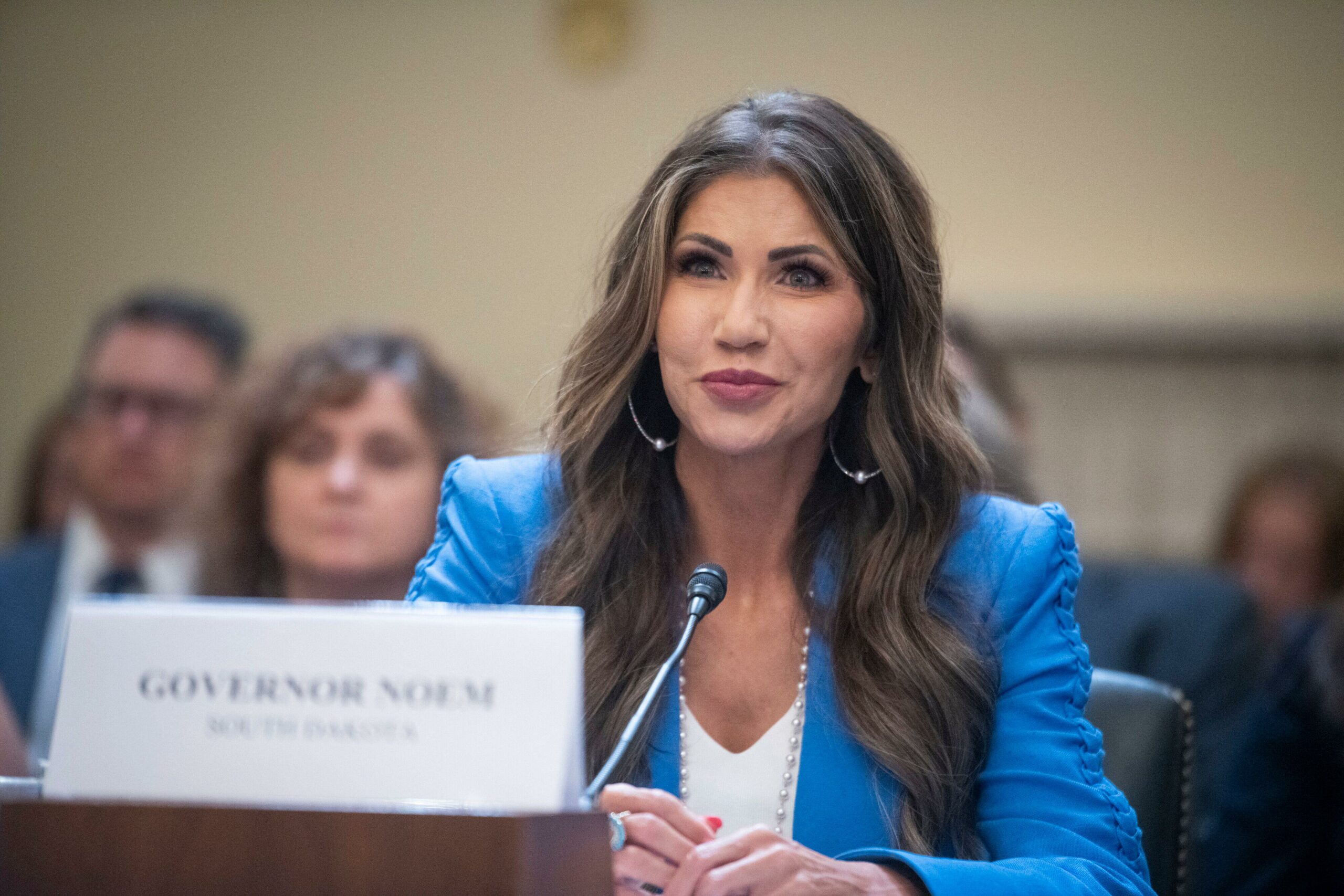
Homeland Security Secretary Kristi Noem announced Thursday that Guatemala and Honduras have agreed to receive asylum seekers from third countries under new agreements with the United States as part of the Trump administration’s effort to expand deportation options.

Noem made the remarks at the end of a visit to Central America, framing the deals as a way to give migrants alternatives to reaching the U.S. border.
“Honduras and now Guatemala after today will be countries that will take those individuals and give them refugee status as well,” Noem said.

“We’ve never believed that the United States should be the only option, that the guarantee for a refugee is that they go somewhere to be safe and to be protected from whatever threat they face in their country. It doesn’t necessarily have to be the United States,” she added.
The announcements come as part of a revived push by the Trump administration to expand so-called “safe third country” agreements, first pursued during Trump’s first term. At that time, the U.S. signed accords with Guatemala, Honduras and El Salvador, allowing it to declare some migrants ineligible for asylum in the United States and to send them instead to one of those partner countries.
In February, Secretary of State Marco Rubio signed agreements with El Salvador and Guatemala. Under the Salvadoran deal, migrants could be sent there and detained. Guatemala’s agreement was limited to acting as a transit country for migrants returning to their homelands, not a destination for asylum.
Mexico has declined to sign a safe third-country agreement. President Claudia Sheinbaum stated this week that while Mexico would not formalize such an arrangement, the country has accepted more than 5,000 migrants from other countries since Trump’s return to office. She said those individuals were received for humanitarian reasons and then assisted in returning to their countries of origin.
The U.S. also holds similar arrangements with Panama and Costa Rica, though the number of migrants relocated there remains relatively low. In February, the U.S. sent 299 migrants to Panama and fewer than 200 to Costa Rica.