

Photo: Alamy
The Trump administration is reportedly close to a deal that could provide financial support to Spirit Airlines as it navigates bankruptcy, though key terms remain unresolved.

According to Reuters, the federal government could offer up to $500 million in loans in exchange for warrants that may give Washington an ownership stake in the airline. The move would mark a rare case of targeted federal intervention for a single carrier rather than broad industry relief.
Spirit is currently in its second Chapter 11 bankruptcy within a year and is facing mounting financial pressure from rising fuel costs and tightening liquidity. The airline has been seeking emergency funding to stabilize operations and avoid potential liquidation.

Earlier this year, the company outlined a restructuring plan to significantly reduce its debt load from roughly $7.4 billion to about $2 billion after emerging from bankruptcy.
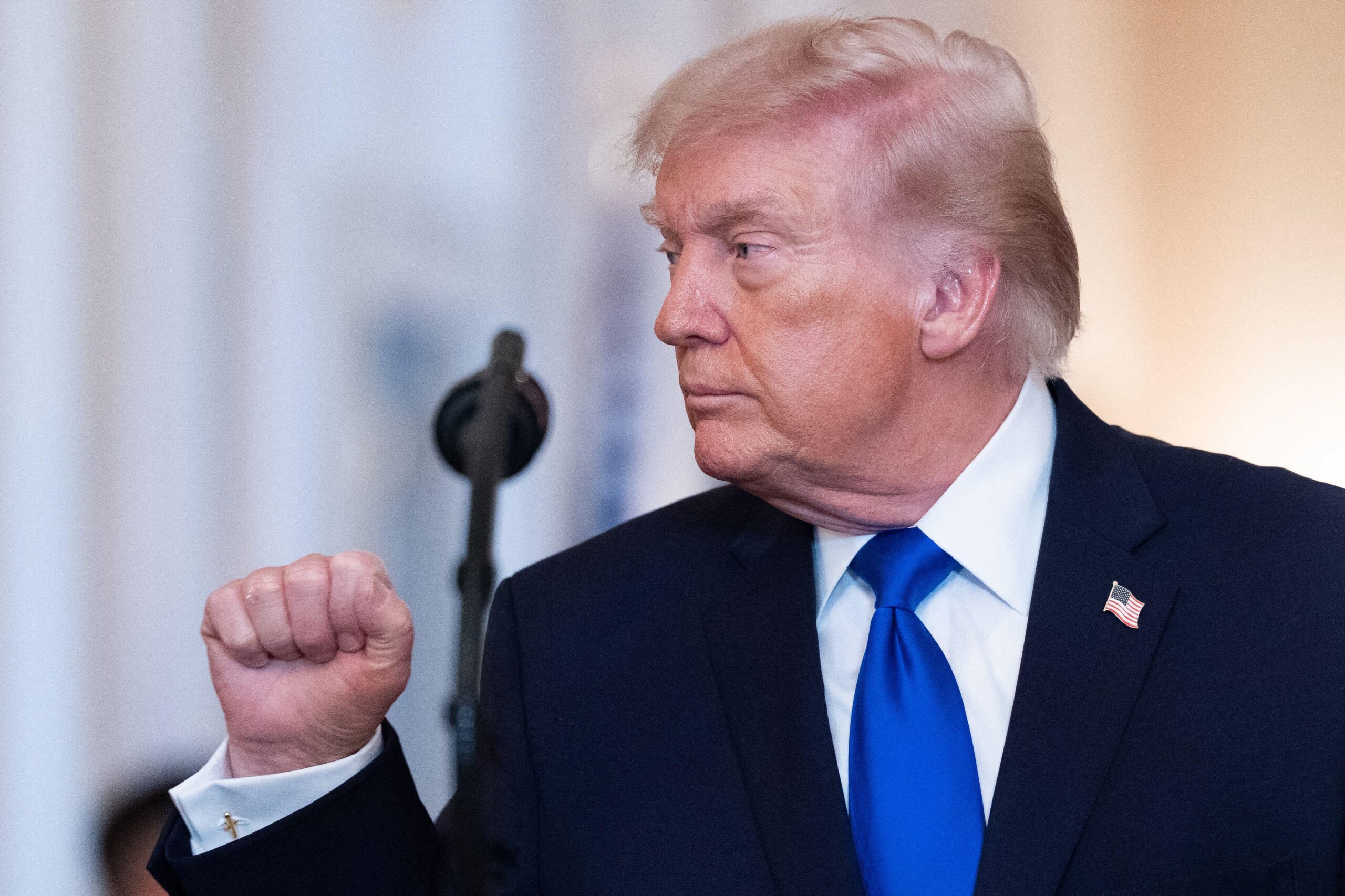
President Donald Trump signaled openness to federal assistance, citing the airline’s workforce of approximately 14,000 employees as a factor.
“You know, Spirit’s in trouble, and I’d love somebody to buy Spirit. It’s 14,000 jobs, and maybe the federal government should help that one out,” the president said during a recent CNBC interview.
Meanwhile, Sean Duffy expressed caution, warning against committing taxpayer funds without a clear path to long-term viability.
“The Trump administration continues to monitor the situation and overall health of the U.S. aviation industry that millions of Americans rely on every day for essential travel and their livelihoods,” White House spokesman Kush Desai said in a statement.
The administration has not made a final decision, leaving the proposal in a tentative stage. Officials are weighing whether Spirit’s role in providing low-cost air travel and preserving jobs justifies federal involvement, despite ongoing concerns about the airline’s financial stability.
Spirit has said it continues to operate normally while pursuing restructuring efforts, including asset sales and operational adjustments, but its outlook remains uncertain as costs continue to rise.