

Photo: Alamy
The Senate early Thursday approved a budget plan aimed at reopening parts of the Department of Homeland Security, advancing a Republican-led effort to fund immigration enforcement agencies over Democratic objections.

The plan focuses on providing funding for U.S. Immigration and Customs Enforcement and U.S. Border Patrol, sending the measure to the House as lawmakers continue negotiations over the broader shutdown that has affected the department since mid-February.
Republicans are using the budget reconciliation process, which allows legislation to pass with a simple majority in the Senate, to move the proposal forward without Democratic support. The chamber’s GOP majority holds 53 seats, enough to advance the measure under reconciliation rules.

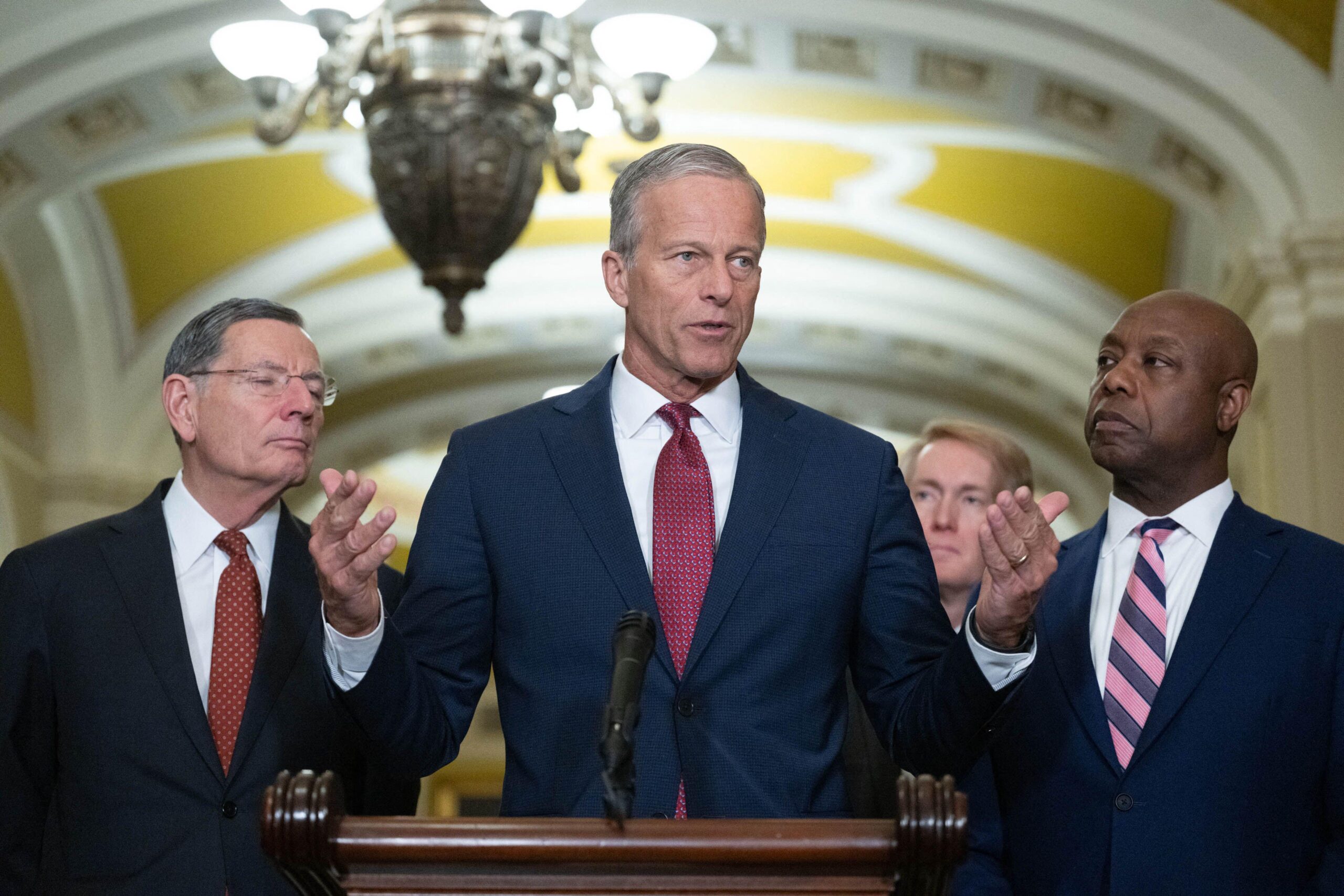
“We have a multistep process ahead of us, but at the end Republicans will have helped ensure that America’s borders are secure,” said John Thune, the Senate majority leader.
Democrats pushed back during an overnight voting session, offering amendments focused on healthcare and consumer costs.
The resolution proposes up to $70 billion to fund the agencies for roughly three years. Before becoming law, the measure must pass the House and comply with rules set by the Senate parliamentarian.
The broader dispute stems from disagreements over immigration enforcement policies. Democrats have called for additional oversight measures, including clearer identification for federal agents and expanded use of judicial warrants.
Republicans have refused to take up a separate bipartisan bill to fund the rest of the Department of Homeland Security without addressing funding for ICE and Border Patrol.
The impasse follows a shutdown that began after negotiations stalled over policy changes tied to enforcement practices. Congress previously passed partial funding for other DHS components, including airport security operations, but left immigration agencies unresolved.
Lawmakers face pressure to reach a final agreement soon. Republicans aim to send a completed package to President Donald Trump by the end of the month. In the meantime, the administration has relied on executive actions to maintain some department operations, but officials have warned that stopgap measures cannot continue indefinitely.