

Photo: Alamy
Iran launched retaliatory strikes against U.S. military installations in the Gulf on Wednesday following American airstrikes inside Iran and the return of strict sanctions on Iranian oil exports.

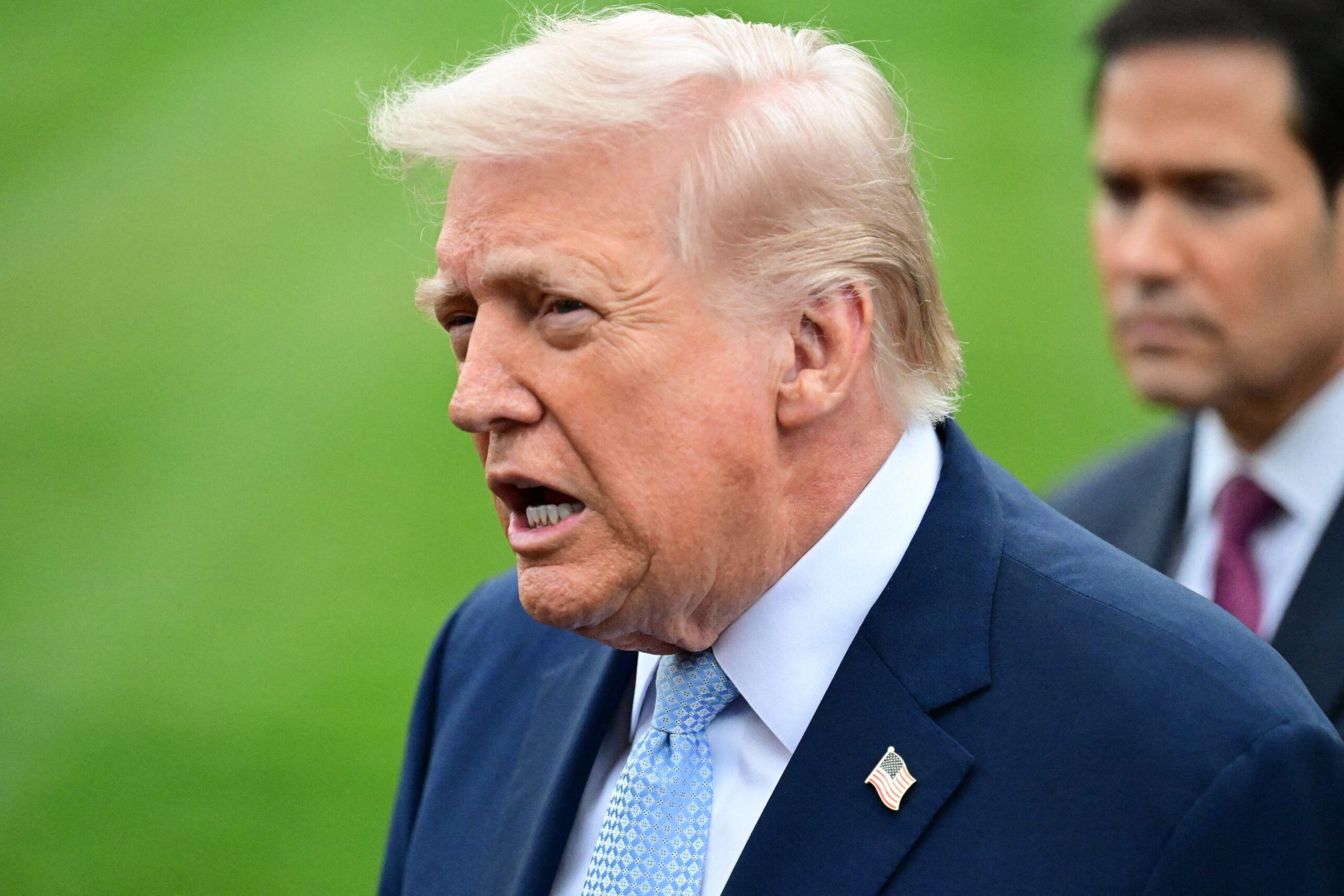
The rapid escalation has triggered international concern that the conflict could widen. President Donald Trump addressed the issue at a NATO summit in Turkey, stating that the interim ceasefire had ended.
“For me, I think it’s over,” President Trump said when questioned about the status of the truce. While he noted that American diplomats could persist with discussions, he expressed severe skepticism. “They can talk, but I think they’re wasting their time,” he said.

Following the president’s remarks, international energy markets reacted sharply, with Brent crude prices jumping more than 5 percent. A full-scale resumption of hostilities threatens the broader Middle East and endangers shipping traffic through the Strait of Hormuz, a choke point vital to global energy supplies.
The renewed fighting disrupted what was intended to be a period of diplomatic calm. Formal negotiations for a permanent peace deal were set to begin following the conclusion of a multi-day funeral for Iran’s Supreme Leader Ayatollah Ali Khamenei, who was killed on Feb. 28 during the initial hours of the war.
The funeral ceremonies conclude Thursday. Future talks were slated to address highly contentious issues, such as dismantling Tehran’s controversial nuclear program and fully restoring maritime access to the strait.
Iranian officials struck a defiant tone amid the escalating tensions. “The era of bullying and extortion is over,” Iran’s Parliament Speaker Mohammad Bagher Qalibaf posted on X. “It leads nowhere. We don’t fold.”
The U.S. military’s Central Command stated that its preceding airstrikes were executed “to impose heavy costs for targeting and attacking commercial shipping crewed by innocent civilians in an international waterway.”
The Pentagon reported hitting several military assets inside Iran, including radar installations, air defense systems, and more than 60 fast-attack vessels managed by the Islamic Revolutionary Guard Corps. Tehran has historically relied on these small boats to intercept and disrupt commercial shipping in the Strait of Hormuz, where roughly 20 percent of global oil and natural gas transited before the conflict.