

Photo: Alamy
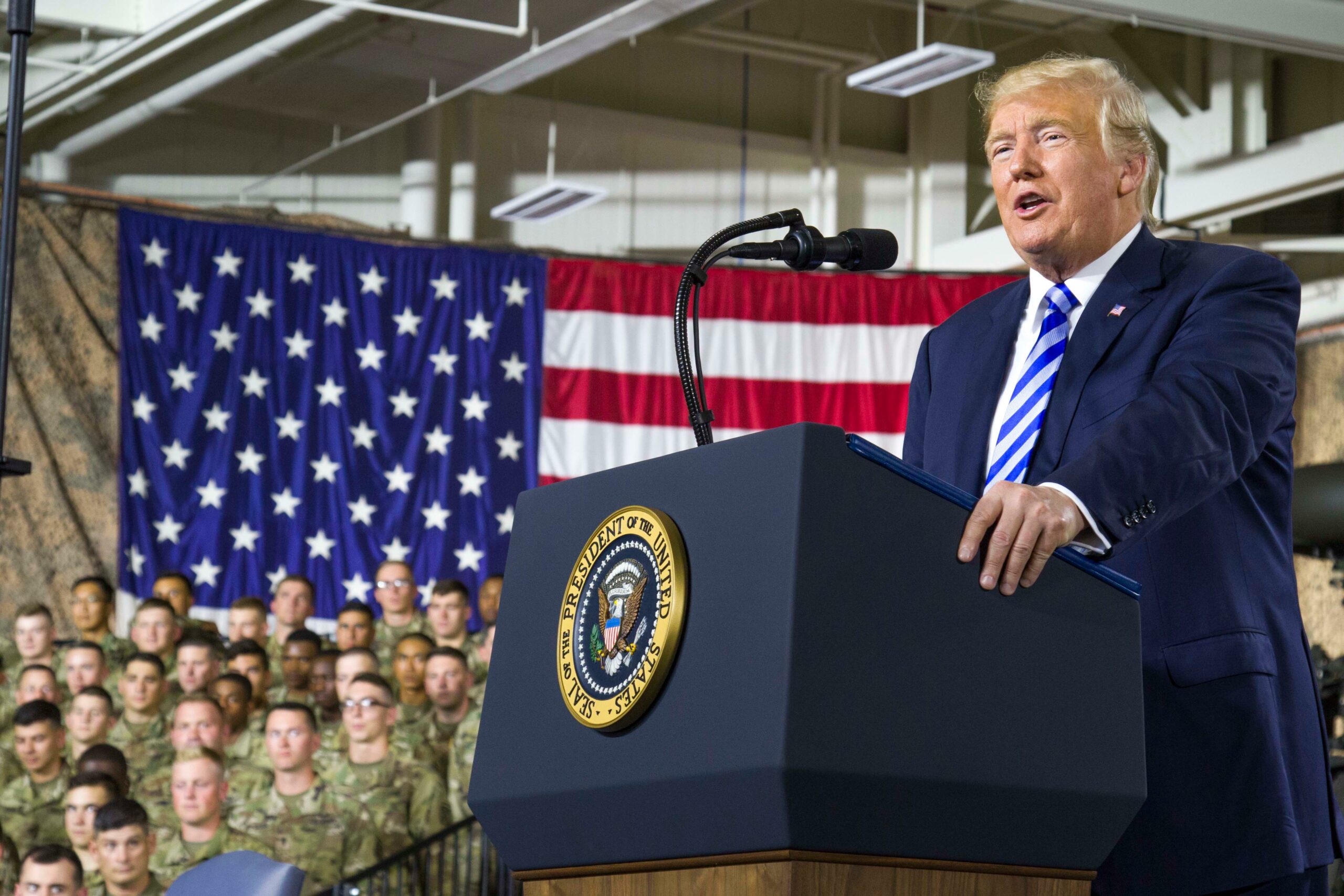
President Donald Trump on Wednesday called for a dramatic increase in U.S. military spending, proposing a $1.5 trillion defense budget for 2027 as he said the nation faces “very troubled and dangerous times.”

The president’s proposal, nearly two-thirds higher than the $901 billion defense budget set for 2026, comes just days after he ordered a U.S. military operation that resulted in the capture of Venezuelan leader Nicolás Maduro and had U.S. forces massing in the Caribbean Sea.
In a post on Truth Social outlining his plan, President Trump said the increased funding would help create what he described as a “Dream Military” capable of protecting the nation from all threats. “This will allow us to build the ‘Dream Military’ that we have long been entitled to and, more importantly, that will keep us SAFE and SECURE, regardless of foe,” he wrote.

The proposal arrives amid other bold foreign policy moves from the administration, including renewed calls to pursue the purchase of Greenland on national security grounds and suggestions of potential U.S. operations in Colombia. Secretary of State Marco Rubio has also warned that Cuba is “in trouble,” reflecting heightened tensions with longtime adversaries.
President Trump has defended the idea of surging military spending by pointing to expanded federal revenue from tariffs his administration has imposed on trading partners. He said the increased tariff collections, which climbed to $288.5 billion in 2025, give the government flexibility to fund both defense and other priorities.
However, the plan is expected to encounter resistance in Congress. Democrats are likely to question both the fiscal impact and the strategic necessity of such a large increase, while some fiscal conservatives among Republicans may balk at adding to the nation’s long-term deficit. Budget experts have expressed skepticism about using tariff revenue alone to cover the substantial rise without deeper changes to spending policies.
President Trump’s defense spending push could reshape discussions about U.S. military priorities and force structure if lawmakers consider the proposal as part of future budget negotiations leading up to the 2027 fiscal year.