

Photo: Alamy
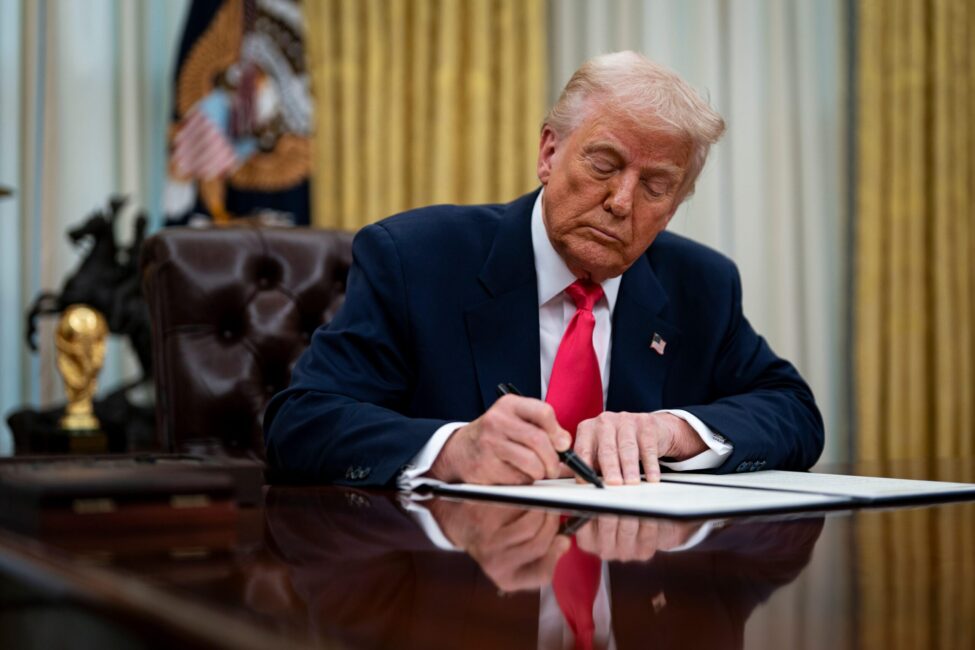
President Donald Trump on Thursday signed bipartisan legislation funding most of the Department of Homeland Security, bringing an end to the longest shutdown in the agency’s history, though immigration enforcement operations remain unfunded under the measure.

The bill cleared the House earlier in the day by voice vote after previously passing the Senate without opposition. It restores funding for major DHS components, including the Transportation Security Administration, Coast Guard and Federal Emergency Management Agency, after the department had gone without routine funding since mid-February.
The White House had warned that temporary funding used to keep some employees paid was close to running out, raising concerns about disruptions, including long airport security lines. DHS employs roughly 260,000 workers, many of whom faced uncertainty over missed paychecks and potential furloughs as the standoff dragged on.

The funding dispute stemmed from disagreements over immigration policy. Democrats refused to fund U.S. Immigration and Customs Enforcement and Border Patrol without changes following fatal shootings involving federal agents during protests in Minneapolis. Republicans, in turn, opposed funding the rest of DHS without including money for immigration enforcement.
To break the deadlock, Republican leaders pursued a separate track to fund immigration enforcement through the budget reconciliation process. That effort, which could provide up to $70 billion for ICE and Border Patrol over several years, is expected to move forward in the coming weeks.
House Speaker Mike Johnson acknowledged the shift in strategy after previously criticizing the bipartisan bill, saying the new approach would ensure immigration funding proceeds without policy concessions.
Still, some Republicans objected. Rep. Chip Roy of Texas called separating immigration funding from the broader DHS bill “offensive” to enforcement personnel.
The shutdown had already taken a toll. More than 1,000 TSA officers left their jobs during the funding lapse, according to an airline industry group, and federal worker unions warned employees were being used as leverage in a political dispute.
Lawmakers are now expected to draft the separate immigration enforcement funding bill, with votes anticipated in May. President Trump has said he wants the measure on his desk by June 1.