

Photo: Alamy
The United Nations’ International Maritime Organization announced plans to evacuate more than 11,000 sailors stranded in the Persian Gulf following months of disruption caused by the conflict between the United States and Iran.

IMO Secretary-General Arsenio Dominguez said the large-scale operation will be coordinated with Iran, Oman, the United States, regional coastal states and the maritime industry. Officials said safety guarantees have been secured and navigation conditions have been verified to support the evacuation effort.
The operation follows the United States and Iran signing a memorandum of understanding to reduce tensions and reopen the Strait of Hormuz. Despite the agreement, disputes remain over several provisions, including nuclear inspections and maritime access.

President Donald Trump said Iran has agreed to extensive future inspections of its nuclear program, while Iranian officials have disputed aspects of that claim and maintained that certain bombed nuclear sites remain off limits to inspectors.
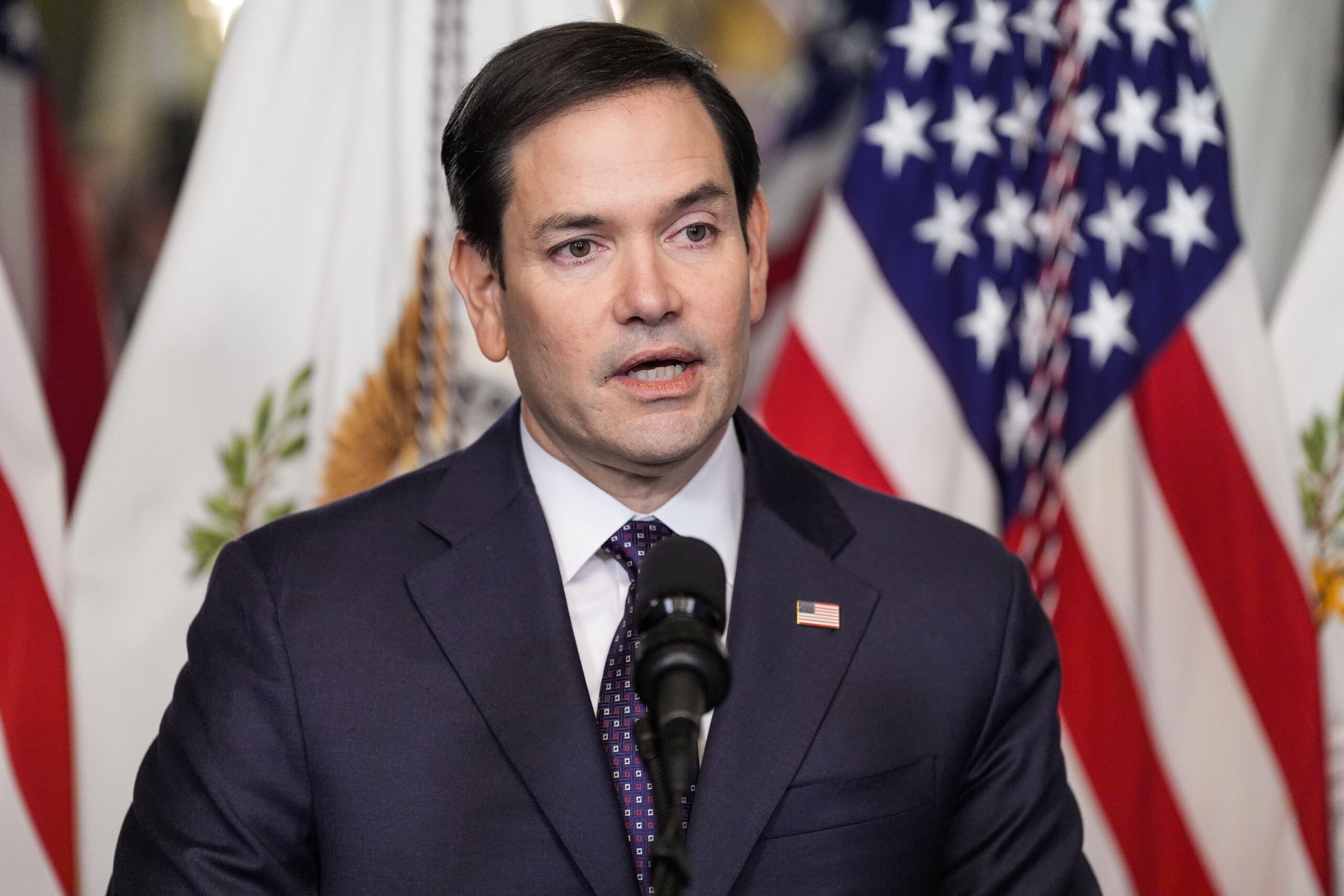
Another point of contention concerns Iran’s proposal to levy maritime service fees on vessels transiting the Strait of Hormuz. During a visit to the Gulf region, Secretary of State Marco Rubio rejected the idea, arguing that international law does not permit countries to impose tolls on international waterways.
“It’s an international waterway. No country is allowed to charge tolls or fees on an international waterway. That’s existing international law,” he said when he arrived in the UAE.
“I don’t think we have anybody to convince around here in that regard. I think all the countries in this region would agree with us.”
The evacuation effort depends on the continued reopening of the Strait of Hormuz, one of the world’s most critical shipping routes for oil, natural gas, and other commodities. The waterway was effectively closed after hostilities intensified earlier this year, driving global energy prices sharply higher and disrupting international trade.
According to maritime data, vessel traffic has resumed since the agreement was signed, though shipping volumes remain below pre-conflict levels. More than 170 vessels have successfully transited the strait since its reopening, while hundreds of additional ships are reportedly waiting to pass through the corridor.