

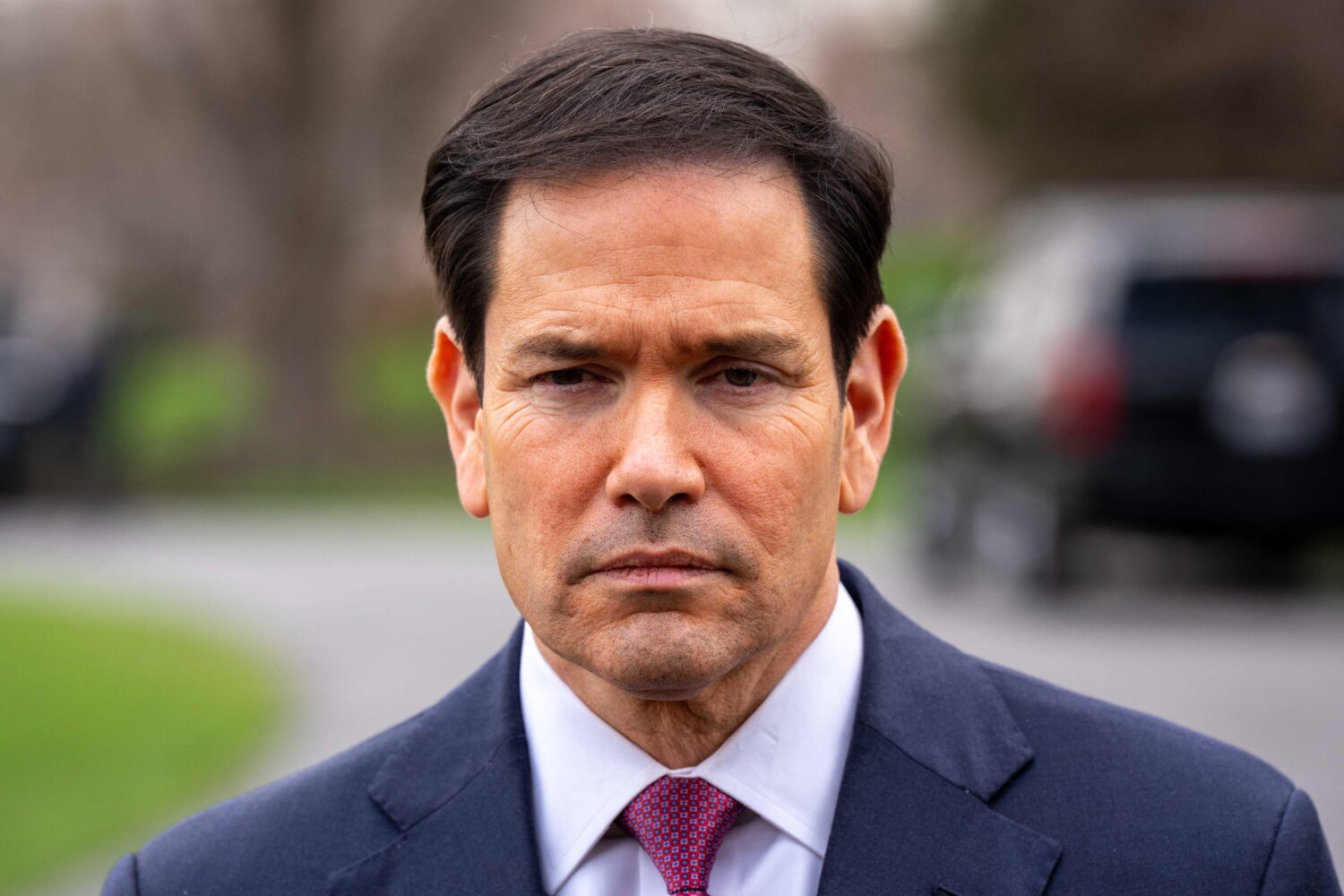
Photo: Alamy
Secretary of State Marco Rubio was the star of the show on Tuesday afternoon as he took the podium at the White House and filled in for White House Press Secretary Karoline Leavitt while she is on maternity leave.

Rubio, who has emerged from the Trump administration as an action-oriented statesman, overflowed with energy during his press comments, where he immediately addressed the U.S. naval operation in the Strait of Hormuz, “Project Freedom.”
This mission has deployed U.S. vessels and assets to assist in escorting commercial vessels through the Strait of Hormuz, helping the international waterway resume operations. Rubio described Iran’s aggression in the Strait as a “last-ditch act of economic arson,” and said the U.S. would be “unashamed” to use its powers and abilities to secure the shipping corridor.

Rubio additionally emphasized repeatedly that Project Freedom is a “defensive operation.”
“We’re not shooting unless we’re shot at first,” he stated. “…It’s not back and forth. We are only responding if we are attacked first.”
Rubio said that Iran could not be allowed to dictate who controls the “vital waterway,” and highlighted the successful transit of two U.S.-flagged merchant ships that were escorted through the Strait this week.
He pressured Iran to make a “sensible choice” and come to the table to negotiate meaningfully with the United States. “They really shouldn’t test the will of the United States,” he noted.
When asked whether the U.S. blockading the Strait of Hormuz was an “act of war,” Rubio argued that this was a “defensive measure” in response to Iranian aggression in the shipping artery.
“Under no circumstances can we ever allow them to normalize that they get to blow up commercial ships and put mines in the water,” he said.
Rubio expressed his concern that Iran must not be allowed to “normalize” control of the Strait, lest other nations around the world get similar ideas in their heads and attempt to crack down on other key waterways, thus causing global chaos.
“For us to live in a world where a country can decide, ‘now we own the international shipping lane, and you have to pay us if you want to use it,’ that is a normal that we will never be able to accept,” Rubio said.
