

Photo: Alamy
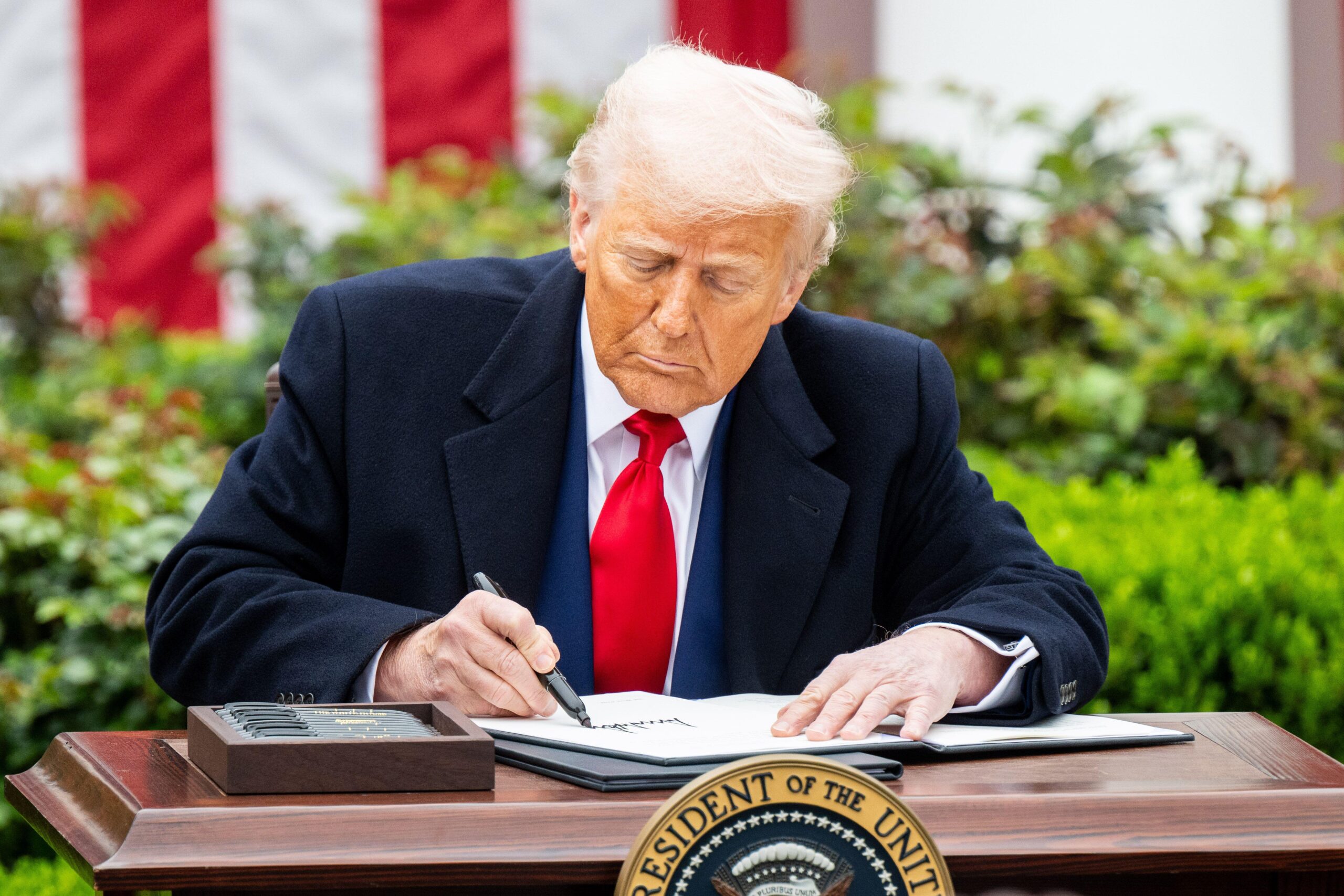
President Donald Trump signed a proclamation late Wednesday reinstating a version of his previous travel ban, restricting entry to the United States from 12 countries and imposing increased restrictions on several others.

Effective at 12:01 a.m. Monday, the new policy blocks most travelers from Afghanistan, Burma, Chad, the Republic of the Congo, Equatorial Guinea, Eritrea, Haiti, Iran, Libya, Somalia, Sudan and Yemen. Additional restrictions will apply to visitors from Burundi, Cuba, Laos, Sierra Leone, Togo, Turkmenistan and Venezuela.
“I must act to protect the national security and national interest of the United States and its people,” Trump said in the proclamation.

“Nationals of some countries also pose significant risks of overstaying their visas in the United States, which increases burdens on immigration and law enforcement components of the United States, and often exacerbates other risks related to national security and public safety,” the proclamation added.
The announcement follows a Jan. 20 executive order directing the departments of State and Homeland Security, along with the Director of National Intelligence, to evaluate countries with what were described as “hostile attitudes” toward the United States. The review aimed to assess whether permitting entry from certain nations could pose a national security risk.
Trump first implemented a similar travel policy in January 2017 during his presidency, initially targeting seven Muslim-majority nations, including Iraq, Syria, Iran, Sudan, Libya, Somalia and Yemen. That order sparked legal challenges, as some travelers were turned away at airports or detained upon arrival in the U.S.
The measure, often referred to as the “Muslim ban” or “travel ban,” was revised multiple times and ultimately upheld by the U.S. Supreme Court in 2018. That version included restrictions on nationals from Iran, Somalia, Yemen, Syria, and Libya, as well as specific sanctions on North Korea and certain Venezuelan officials and their families.
The Supreme Court upheld the travel ban, according to a White House fact sheet, ruling that it “is squarely within the scope of Presidential authority” and noting that it is “expressly premised on legitimate purposes.”