

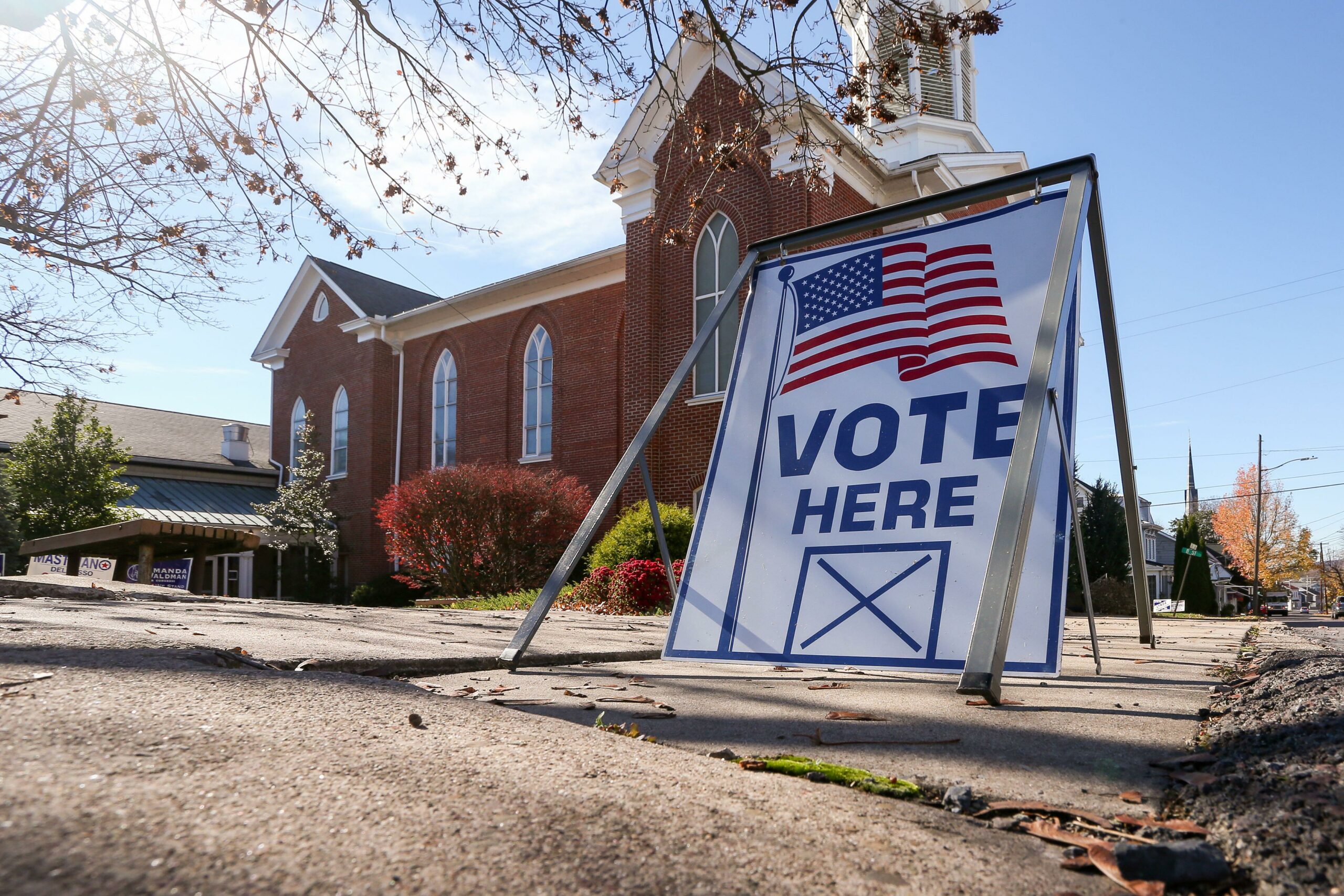
An overwhelming majority of voters are expressing concerns about partisan gerrymandering. According to a poll recently released by Rasmussen, 88 percent of Likely U.S. Voters believe drawing congressional maps along party lines is a serious problem.
Among respondents, 65 percent of voters considered the issue “very serious,” an increase from 61 percent one month ago. The survey may reflect increased concerns following a Virginia election in which voters adopted a new congressional map, giving Democrats an electoral advantage.

Democrats currently hold a 6-5 congressional majority within the state. The new map would likely shift the balance of power, allowing Democratic control of 10 of 11 congressional districts. The Virginia law is currently on hold following the state Supreme Court’s decision to allow legal challenges to proceed.
Overall, voters were narrowly divided in their views on which party was more likely to redraw congressional maps, with 35 percent saying Democrats were more likely and 34 percent saying Republicans were. Along party lines, 52 percent of Republican voters believed Democrats were more likely to engage in partisan gerrymandering, while 47 percent of Democratic respondents believed Republicans were more likely to do so to gain an advantage.

Voters’ concerns are significant amid ongoing state-level battles over redistricting to gain control of the narrowly divided U.S. House of Representatives. The Democratic Party could flip the balance of power in the midterms by gaining just three additional seats.
A new map adopted by the state of Texas last year increased the number of U.S. House seats likely to be held by Republicans. California followed by redrawing its congressional map to give Democrats an advantage.
The referendum approved by Virginia voters is the latest effort to bolster Democratic control. Florida is the next state set to propose a congressional map that could result in a net gain of House seats for Republicans.
A Supreme Court decision issued on Wednesday narrowed a key provision of the Voting Rights Act, which could restrict its effectiveness at challenging gerrymandering efforts and result in further attempts to redraw congressional maps as the midterm elections approach this November.
