

Photo: Alamy
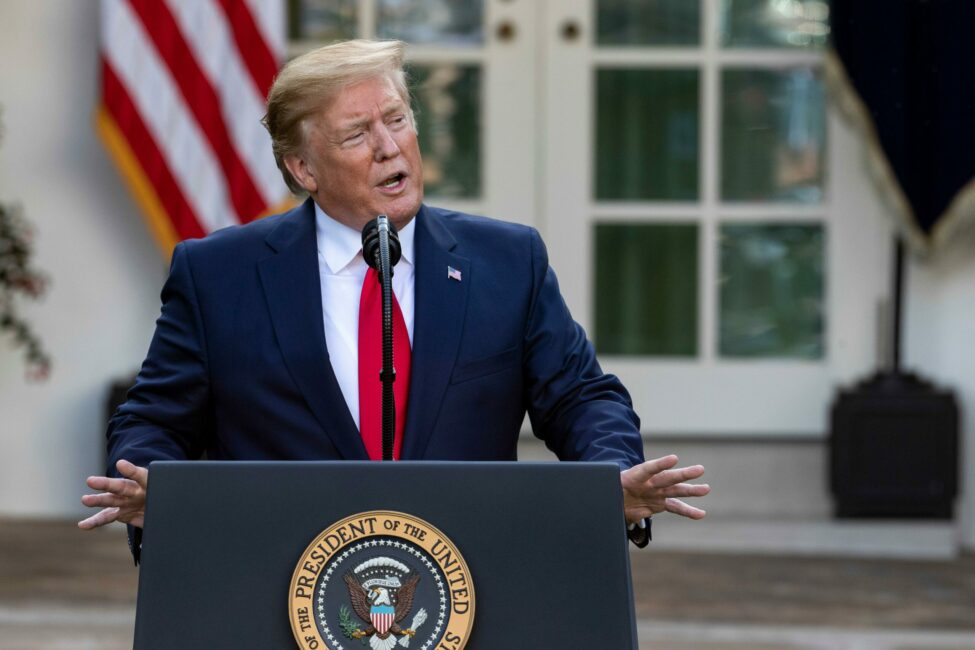
President Donald Trump awarded the Medal of Honor to three veterans on Thursday, recognizing acts of valor in Vietnam and Afghanistan that saved fellow service members and impacted the course of combat operations.

During a White House ceremony, the president presented the nation’s highest military decoration to James Capers Jr. and Nicholas Dockery. He also awarded the honor posthumously to John W. Ripley, who died in 2008.
“These are great men, great people,” he said. “We thank you and we will never, ever forget you.”

Capers, now 88, was recognized for actions during a 1967 mission in Vietnam that turned into a prolonged battle against North Vietnamese forces.
According to his citation, Capers continued leading his team after suffering a broken leg and severe abdominal wounds in a mine explosion. Despite his injuries, he directed the firefight, called in air support, and helped repel an enemy ambush against his outnumbered reconnaissance unit.
After a rescue helicopter arrived, Capers ensured the wounded Marines were evacuated before boarding himself.
Ripley was honored for his actions during the 1972 Easter Offensive in Vietnam.
Facing an advancing North Vietnamese force of more than 30,000 troops and hundreds of tanks, Ripley repeatedly climbed beneath a strategic bridge at Dong Ha while under enemy fire, placing approximately 500 pounds of explosives along its structure.
Over five hours, he made multiple trips across the bridge’s steel framework before detonating the charges and destroying the crossing, halting the enemy advance.
Ripley’s family, including his three sons, attended the ceremony to receive the medal on his behalf.
Dockery was recognized for heroism during a 2012 battle in Afghanistan’s Kapisa Province. When approximately 150 Taliban fighters launched an attack on his platoon’s position, Dockery crossed exposed terrain to regroup his soldiers and search for missing personnel.
According to his citation, he rescued wounded troops under fire, engaged enemy fighters threatening an injured American soldier, administered lifesaving aid, and coordinated mortar and air support throughout hours of combat.