

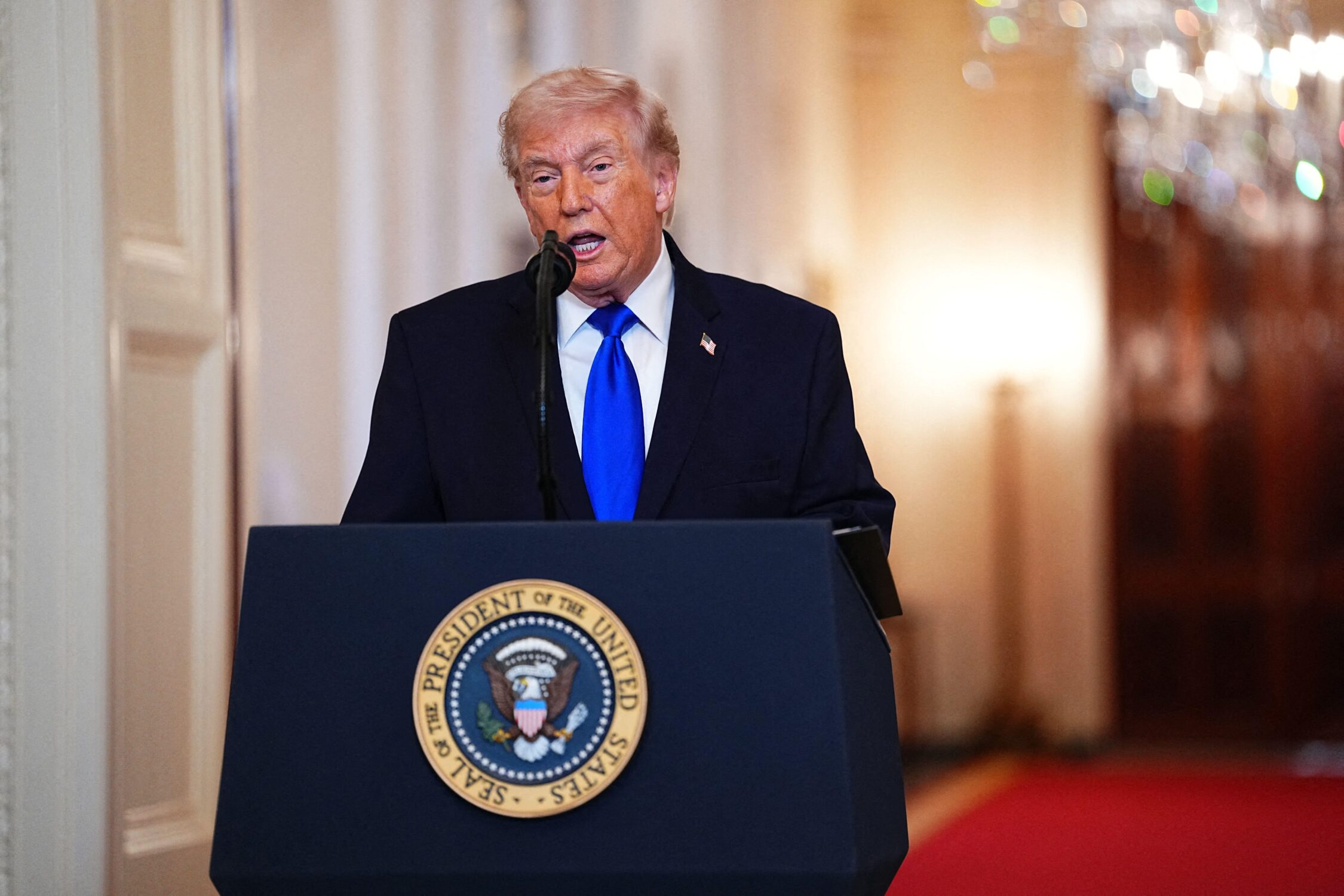
Photo: Alamy
President Donald Trump said Wednesday that leaders from Israel and Lebanon are expected to meet Thursday for their first direct talks in more than three decades, a potential step toward easing long-standing tensions.

“Trying to get a little breathing room between Israel and Lebanon,” the president wrote on Truth Social. “It has been a long time since the two leaders have spoken, like 34 years. It will happen tomorrow. Nice!”
The planned meeting comes as a fragile ceasefire remains in place between Iran and a U.S.-Israel alliance, creating a limited opportunity for diplomatic engagement in the region.

Israel and Lebanon have technically been in a state of war for decades and do not maintain formal diplomatic relations. Most past communication between the two sides has occurred indirectly, often through international mediators.
Tensions along the border have frequently centered on Hezbollah, the Iran-backed group that the United States designates as a terrorist organization. Periodic clashes between Israeli forces and Hezbollah fighters have raised concerns about a broader regional conflict.
While the current ceasefire has reduced immediate hostilities, analysts caution that conditions remain unstable and could shift quickly.
Supporters of President Trump have pointed to his previous diplomatic efforts in the region, including the Abraham Accords, as evidence that direct engagement between adversaries can open the door to broader agreements.
Details of Thursday’s meeting have not been publicly released, and it remains unclear what role, if any, the United States will play in the discussions.
Lebanese President Joseph Aoun called for a ceasefire ahead of talks, according to the Guardian.
“The ceasefire that Lebanon is calling for with Israel will be the natural starting point for direct negotiations between the two countries,” he said in a statement.
“Lebanon is keen to de-escalate the situation in the south and across all Lebanese regions, so that the targeting of innocent and defenceless people—women, men and children—comes to an end, and the destruction of homes in Lebanese villages and towns ceases.”
Even so, the prospect of direct talks between Israeli and Lebanese leaders marks a notable development in a relationship historically defined by conflict and limited contact.