

Photo: Alamy | Analysis by Summer Lane
Americans are more concerned with affordability than anything else, likely positioning finances as the top issue with voters headed into the 2026 midterms, new data has found.

According to a new survey from Gallup, more Americans are worried about the high cost of living (31 percent) than anything else, continuing a 20-year trend in Gallup’s data.
This concern is followed by worries about energy costs (oil and gas) and housing (each at 10 percent), with healthcare coming in fourth at eight percent.

“Overall, affordability concerns dominate this year’s list, with combined mentions of inflation, energy, housing and healthcare costs — along with college expenses, transportation costs and childcare — far exceeding all other types of financial concerns,” the survey stated.
According to Gallup’s data, less than half of Americans rate their financial situation as “excellent” or “good,” and a whopping 55 percent of Americans agree that their financial situation is only “getting worse.”
Data clearly proves that affordability is the most pressing issue for Americans. This stark fact should serve as a sobering reminder for Republicans seeking reelection or new seats in the midterms.
As war with Iran continues overseas, the Strait of Hormuz – a key shipping corridor responsible for 20 percent of the world’s oil supply and up to 30 percent of the world’s seaborne fertilizer supply – has sent shockwaves through the global economy.
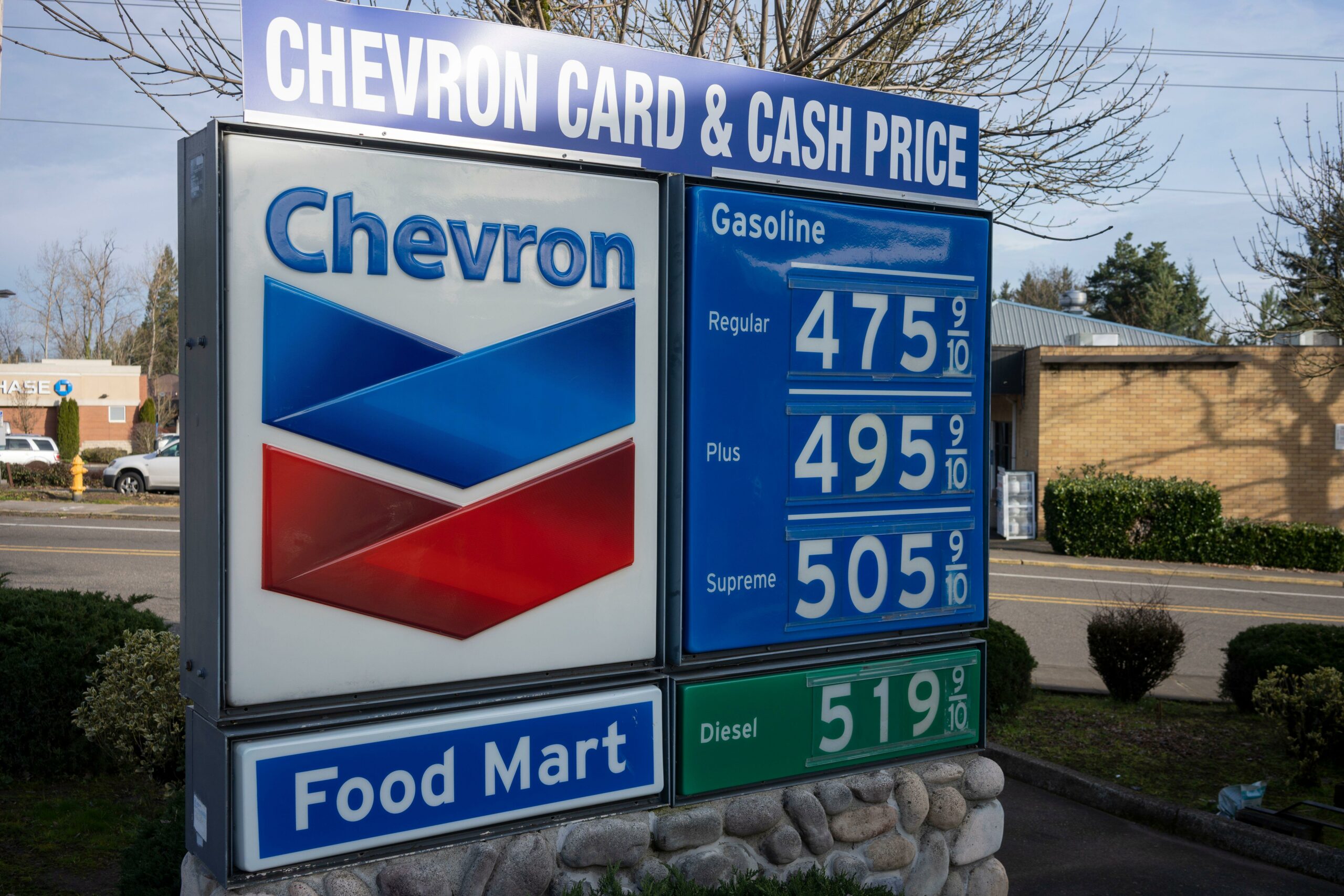
As gas and, therefore, energy prices continue to rise, another crisis is on the horizon: a potential global food shortage. According to the American Farm Bureau Federation, a shocking 70 percent of American farmers “say fertilizer is so expensive that they will not be able to buy all the fertilizer they need.”
The continued closure of the Strait of Hormuz continues to have detrimental and long-lasting trickle-down effects on the American economy – effects that must be mitigated immediately ahead of the midterm elections.
“The skyrocketing cost of fuel and fertilizer is creating more economic hardships for farmers who have already endured years of losses,” AFBF President Zippy Duvall said in a statement. “Without the necessary fertilizers, we’ll face lower yields and some farmers will reduce acres altogether, which will impact food and feed supplies. It’s too early to know how this will affect food availability and prices in the long run, but it’s a warning light that we’ve shared with leaders in Washington…”
Rising oil and energy prices, along with likely rising food prices and potential food shortages worldwide, are not good news for anyone concerned about affordability.
