

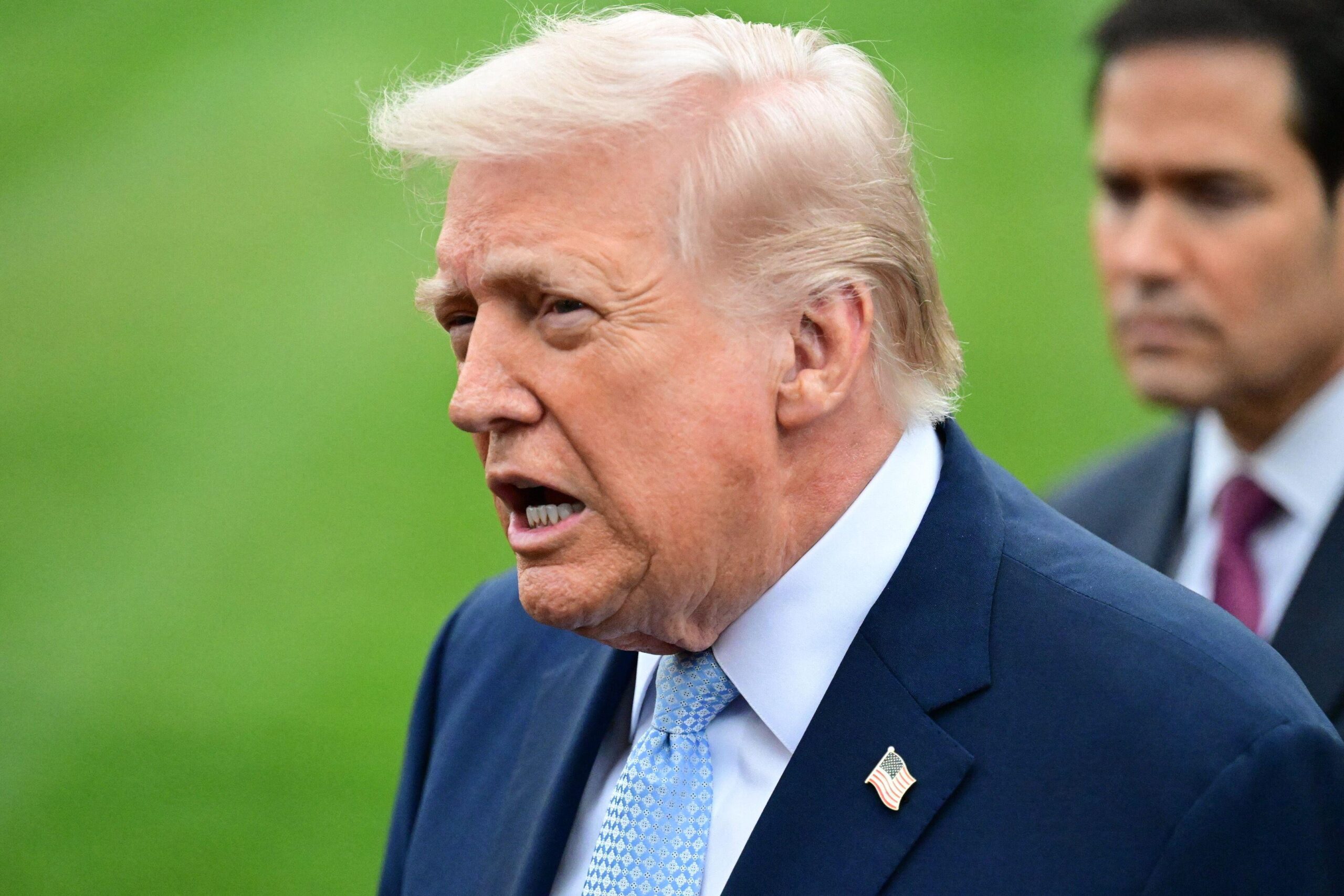
Photo: Alamy
Federal agencies issued approximately $186 billion in improper payments during fiscal year 2025, according to a new analysis from the Government Accountability Office that identified Medicare, Medicaid and welfare-related programs as the largest sources of erroneous spending.

The total represented an increase of roughly $24 billion compared with the previous fiscal year, according to reporting by the New York Post.
The GAO said 15 federal agencies reported improper payments across 64 government programs, with about 82 percent involving overpayments.

Medicare accounted for the largest share of improper payments at approximately $57 billion. Medicaid followed with roughly $37 billion in improper payments.
The Earned Income Tax Credit accounted for another $21 billion in payments to ineligible recipients. The Supplemental Nutrition Assistance Program, commonly known as food stamps, recorded approximately $10 billion in improper payments.
Another $10 billion was tied to the Shuttered Venue Operators Grant Program, a pandemic-era relief initiative created to support live entertainment venues, museums and theaters affected by COVID-19 shutdowns. The remaining programs collectively accounted for approximately $51 billion in additional improper payments.
According to the GAO, improper federal payments have remained a persistent issue for decades. The agency estimated the federal government has issued roughly $3 trillion in improper payments since 2003.
The watchdog agency also cautioned that the actual total may be higher because some federal programs considered vulnerable to fraud and payment errors were not included in the estimate.
The report comes as a federal anti-fraud task force led by Vice President JD Vance pressures states to strengthen oversight of federally funded aid programs or potentially risk losing funding.
Kristen Kociolek, managing director of the GAO’s Financial Management and Assurance team, told The Washington Times that improper payments rose sharply during the COVID-19 pandemic between 2020 and 2023 as emergency federal programs rapidly expanded.
The GAO said it has repeatedly urged Congress and federal agencies to improve accountability measures and oversight systems to reduce fraud risks and payment errors across federal programs.