

Photo: Alamy
Iran rejected a U.S.-backed ceasefire proposal Thursday, hours before U.S. Central Command completed its 13th consecutive night of strikes on Iranian military targets, according to Iranian and Iraqi officials cited by The New York Times.

The rejection further undermined an interim agreement reached last month as fighting continues across the region.
According to The New York Times, Iraqi Prime Minister Ali al-Zaidi delivered the proposal to Tehran after meeting with President Donald Trump at the White House earlier this month. Al-Zaidi presented the offer Wednesday during talks with Iranian President Masoud Pezeshkian.

Iranian officials told the newspaper they rejected the proposal because it failed to resolve the status of the Strait of Hormuz, a key issue that has fueled the conflict since a June memorandum of understanding collapsed.
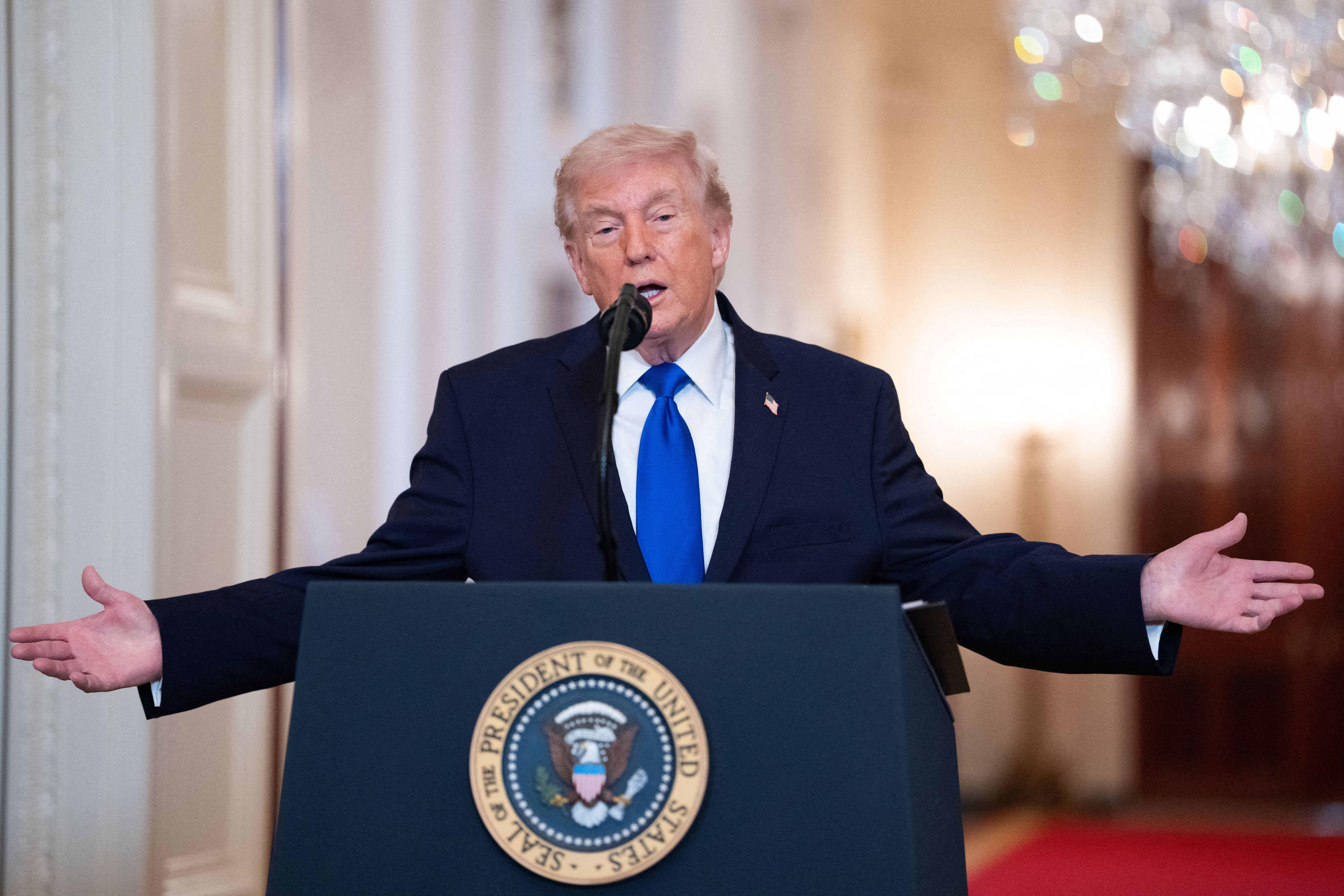
Earlier Thursday, President Trump suggested he was not rushing to reach a diplomatic agreement.
In an interview with Axios, President Trump said he was considering a “massive attack. Bigger than ever before” and added that Iran “hasn’t received enough pain yet.” Two U.S. officials told Axios no such order had been issued.
CENTCOM said its latest operation lasted more than two hours, ending at 9 p.m. Eastern time. The strikes targeted Iranian military command centers, drone storage facilities, communications networks, coastal surveillance sites and maritime capabilities.
The command also said the Strait of Hormuz remains open and that more than 50,000 U.S. service members are deployed across the region. The conflict expanded on multiple fronts Thursday.
Iran-backed Houthi forces attacked two Saudi oil tankers, the Encelia and the Layla, in the Red Sea. Saudi officials confirmed a fire aboard the Encelia but said all crew members were safe.
Brent crude oil briefly rose above $100 per barrel for the first time since May amid concerns over regional instability.
Iran’s Revolutionary Guard also claimed responsibility for missile and drone attacks targeting U.S. military assets in Jordan and Kuwait and said it struck a telecommunications tower in Kuwait in retaliation for U.S. attacks on Iranian communications infrastructure.