

Photo: Alamy
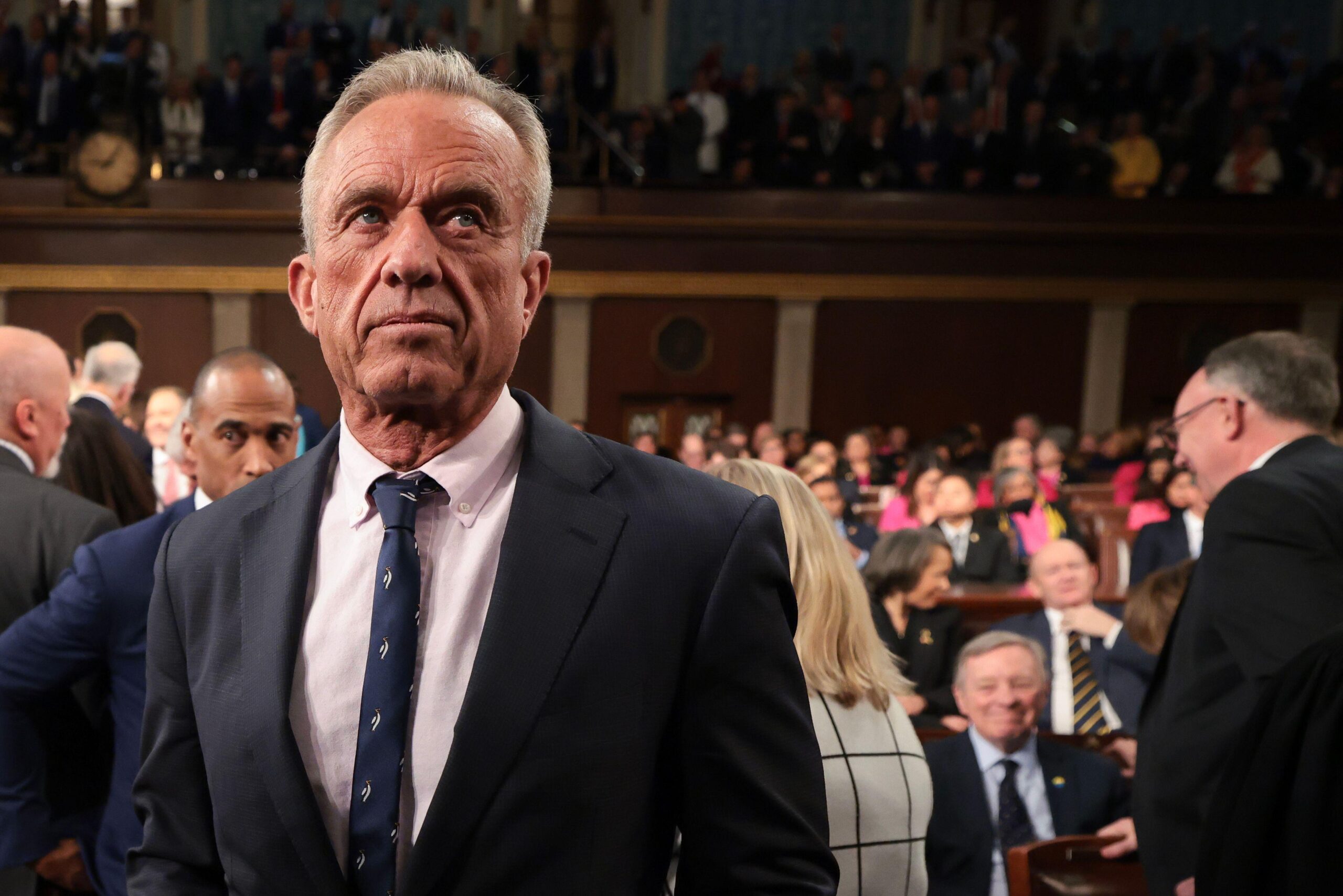
Secretary of Health Robert F. Kennedy Jr. is reshaping American nutrition in the healthcare industry to limit unhealthy hospital food options and provide better meals that promote healing.

Secretary Kennedy celebrated the news in a post to X on Tuesday. “Hospital food is notoriously appalling; So why do we serve it to patients who are trying to recover?” he asked, noting that American hospitals are now being directed “to serve REAL FOOD.”
Hospital food is notoriously appalling; So why do we serve it to patients who are trying to recover?@DrOzCMS and I are changing that system, by telling hospitals across the nation to serve REAL FOOD and remove the ultra-processed junk. Thank you, FL Agriculture Commissioner… pic.twitter.com/4QEbLqkXzr
— Secretary Kennedy (@SecKennedy) April 7, 2026
A Tuesday press release from the Department of Health and Human Services, in partnership with the Health Resources and Services Administration, announced that $125 million in funding will be used to transform primary care nutrition settings. “These efforts aim to prevent and manage chronic diseases such as obesity, heart disease, and diabetes, aligning with the Administration’s Make America Healthy Again priorities,” it stated.

In addition, over $11 million is being invested in expanding Rural Residency Planning and Development (RRPD) to expand residency programs in rural settings, which are high-need facilities facing workforce shortages.
This came shortly after the Department of Health & Human Services issued a Memorandum urging hospitals to follow the new 2025-2030 Dietary Guidelines for Americans. These emphasize limiting highly processed foods, eliminating sugary drinks, and offering healthier options that are proven to aid the healing process. These include whole wheat grains, minimally processed protein, fruits, vegetables, nuts, legumes, seeds, seafood, and healthy fats.
“By aligning patient meals with the 2025–2030 DGAs, hospitals can model evidence-based dietary patterns and ultimately reinforce discharge counseling,” the Memorandum noted. “Nutrition education provided by dietitians and clinical staff can reference the foods patients experienced during hospitalization, supporting continuity between inpatient care and outpatient self-management.”
