Photo: Alamy
Amid a housing crisis that has driven most Americans to reconsider what it means to pursue the American dream, a shocking new report from the National Association of Realtors revealed that the housing market remains tumultuous at best.
According to the NAR, first-time homebuyers in the United States have fallen from 40 percent of the market (the norm in 2008, per their data) to just 21 percent. The median age of these first-time homebuyers is also 40, whereas in the 1980s, most first-time homebuyers were in their 20s.
Perhaps unsurprisingly, the median age for all buyers has jumped to a sky-high 59 years old. To put this in perspective, based on NAR’s data, 18 to 24-year-olds accounted for just two percent of all home buyers in America today, and just four percent of first-time buyers.
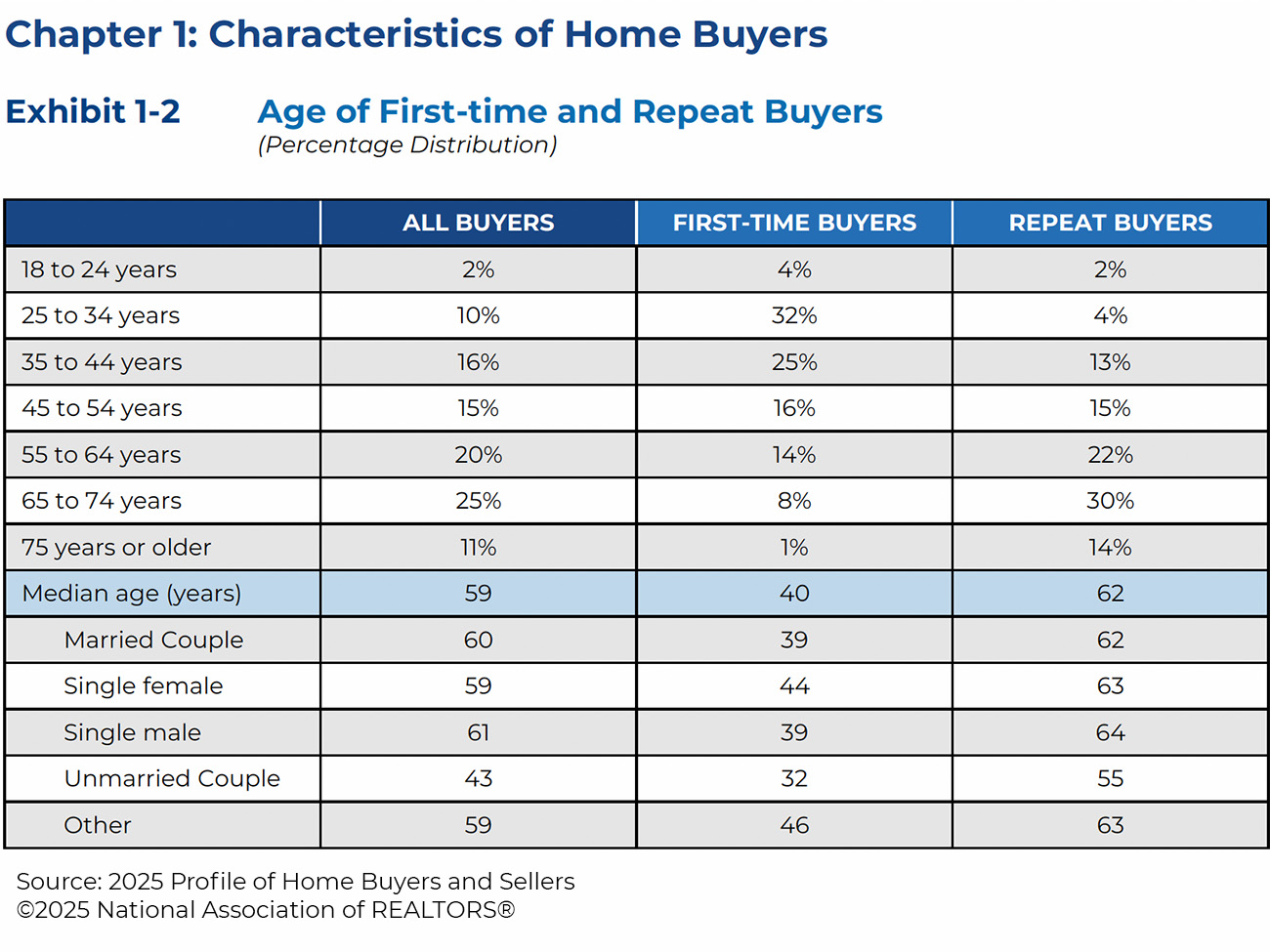
Home ownership seems to be relegated – at least for now – to older, retirement-aged Americans who enjoyed the boons of a fairer and more even-keeled economy. As explained by Business Insider:
“…Never before has the divide appeared so stark. This delayed timeline could have lifelong consequences for today’s young people: years of missed wealth-building opportunities, fewer moves, even a reevaluation of what constitutes a ‘starter home.’ Welcome to the age of the geriatric homebuyer.”
But there is hope on the horizon. The Trump administration, for example, has introduced the concept of 50-year mortgages, which are aimed at giving younger Americans a chance to own homes.
As reported by RSBN, the concept was announced by Federal Housing Finance Agency Director Bill Pulte last week, who called it “a complete game changer.”
U.S. Treasury Secretary Scott Bessent also said this week that the Trump administration is working hard to slow price increases and boost working-class wages.
“We inherited an affordability crisis, but we have slowed price increases and real working-class wages are going up,” he said on X.
Bessent added, “Democrats have tried to block President Trump’s policies in the courts, in the media, and even by shutting down the government. Let’s keep the economy open, let our policies work, and see if costs come down and wages rise.”