

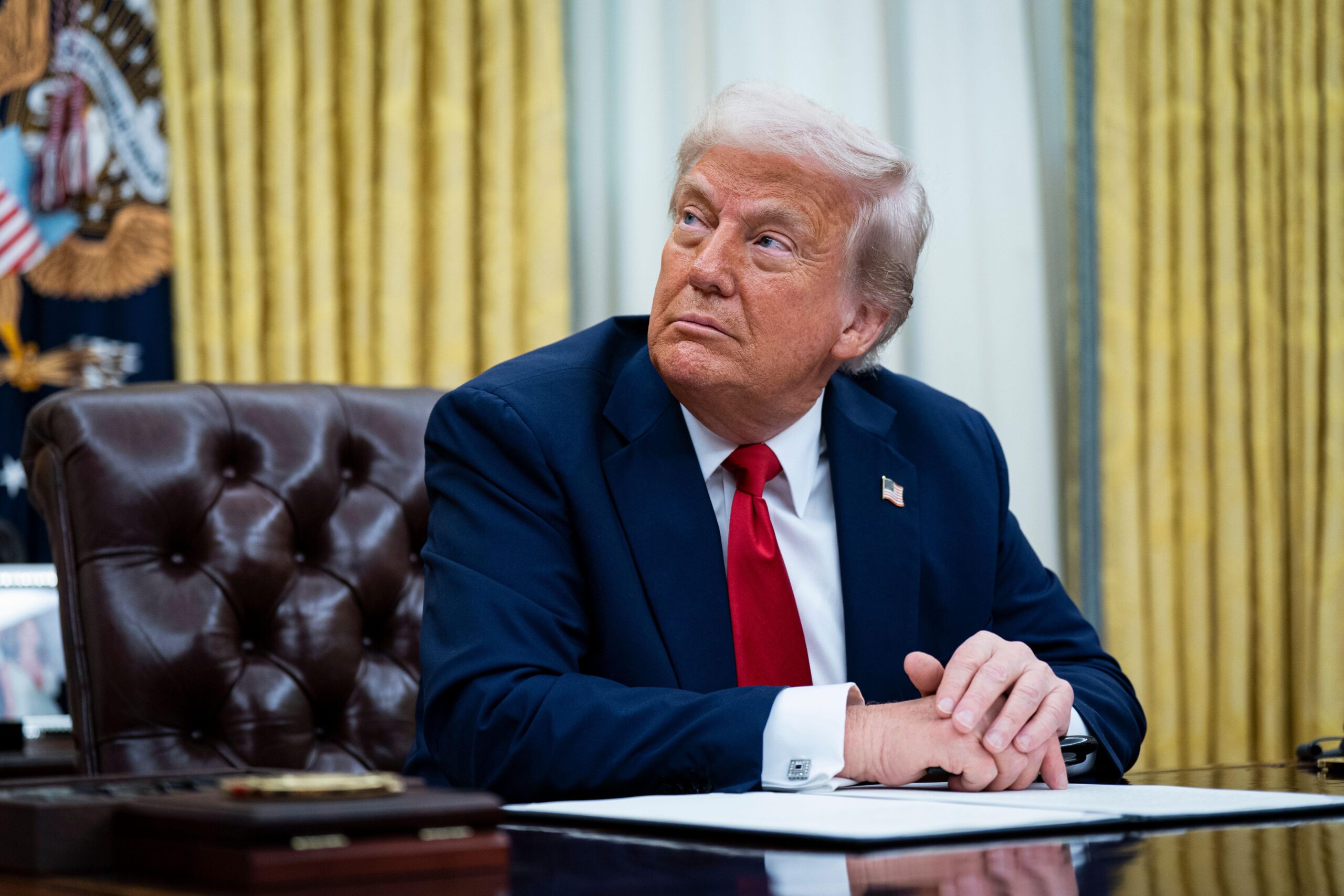
Photo: Alamy
President Donald Trump on Monday imposed 50 percent tariffs on most goods imported from Canada, citing unfair trade practices affecting American automobiles, alcohol and dairy products.

The White House said the new tariffs will take effect in 30 days, leaving time for possible negotiations before they are implemented.
“Canada imposed an unfair tariff scheme on American cars. As a result, Canadian imports of U.S. cars fell ~22%, costing American industry BILLIONS. President Trump won’t put up with Canada’s trade schemes. The U.S. will levy a 50% TARIFF on some Canadian products,” the White House said in a statement.

A senior administration official, speaking on condition of anonymity to preview the action, said Trump signed three proclamations invoking Section 338 of the Trade Act of 1930. The official said Canada was one of the few countries, aside from China, to retaliate against previous U.S. tariffs and should be held accountable.
The new tariffs will exempt energy products, potash, fish and critical minerals. However, they will apply to many goods that previously qualified for duty-free treatment under the United States-Mexico-Canada Agreement, the trade pact negotiated during Trump’s first term. The agreement expired after the United States declined to renew it, prompting a new round of trade negotiations.
The move raises the possibility of a broader trade dispute between the United States and Canada, one of its largest trading partners.
Ontario Premier Doug Ford criticized the announcement and called for Canada to respond with matching measures.
“If these tariffs proceed, Canada should respond tariff for tariff, dollar for dollar,” Ford wrote on social media.
Economists warned the tariffs could create additional uncertainty for businesses and consumers while increasing pressure on global trade.
The Trump administration has increasingly relied on alternative legal authorities to impose tariffs after the Supreme Court ruled in February that the president could not use emergency economic powers to justify broad import taxes.
Tariffs are paid by importers and can increase costs for businesses, which may pass those expenses on to consumers through higher prices.
President Trump has argued that tariffs encourage companies to move manufacturing operations to the United States, though economists remain divided over how much they influence investment decisions.