

Photo: Alamy
President Donald Trump warned Sunday that the United States will target Iranian power plants and bridges if the Strait of Hormuz is not reopened, escalating tensions as fighting in the region continues.

In a Truth Social post, the president wrote, “Tuesday will be Power Plant Day, and Bridge Day,” threatening major strikes if Iran does not restore access to the critical shipping route. The president used explicit language in the post and set a deadline tied to growing concerns over disruptions in global energy supplies.
The warning comes as the strategic Strait of Hormuz, a narrow waterway through which a significant portion of the world’s oil supply passes, has been effectively restricted following weeks of conflict between U.S. and Israeli forces and Iran.

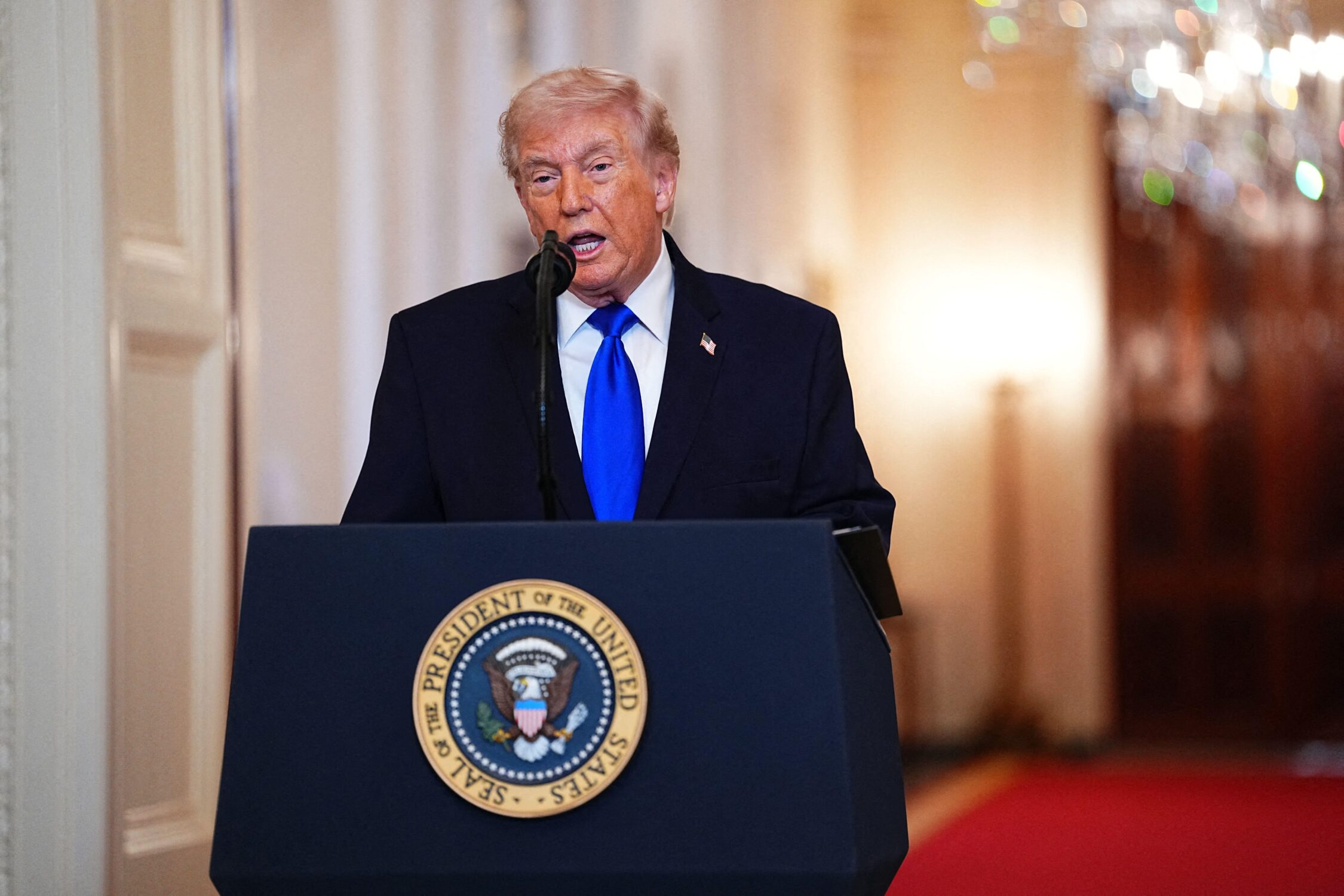
President Trump also announced he would hold a news conference Monday following a high-profile U.S. rescue mission that recovered two American airmen after their aircraft was downed inside Iran. One service member was rescued within hours, while the second was recovered after surviving more than 24 hours in mountainous terrain.
The aircraft involved was identified as an F-15E Strike Eagle. The incident marked one of the most significant U.S. aviation losses inside Iranian territory since the conflict began in late February.
“We have rescued the seriously wounded, and really brave, F-15 Crew Member/Officer, from deep inside the mountains of Iran. The Iranian Military was looking hard, in big numbers, and getting close. He is a highly respected Colonel,” the president wrote.
“This type of raid is seldom attempted because of the danger to ‘man and equipment.’ It just doesn’t happen! The second raid came after the first one, where we rescued the pilot in broad daylight, also unusual, spending seven hours over Iran. An AMAZING show of bravery and talent by all!” he added.
Iran has warned it will retaliate if the United States targets civilian infrastructure. Iranian military officials said additional strikes could hit regional oil facilities and other critical assets if attacks continue.
Diplomatic efforts are underway to prevent further escalation. Officials in Oman, Egypt and Pakistan have been working to mediate discussions between Tehran and Washington, with proposals reportedly including a temporary ceasefire to allow negotiations. The ongoing conflict has already disrupted global markets, driven up fuel prices and raised concerns about broader instability in the Middle East.