

Photo: Alamy
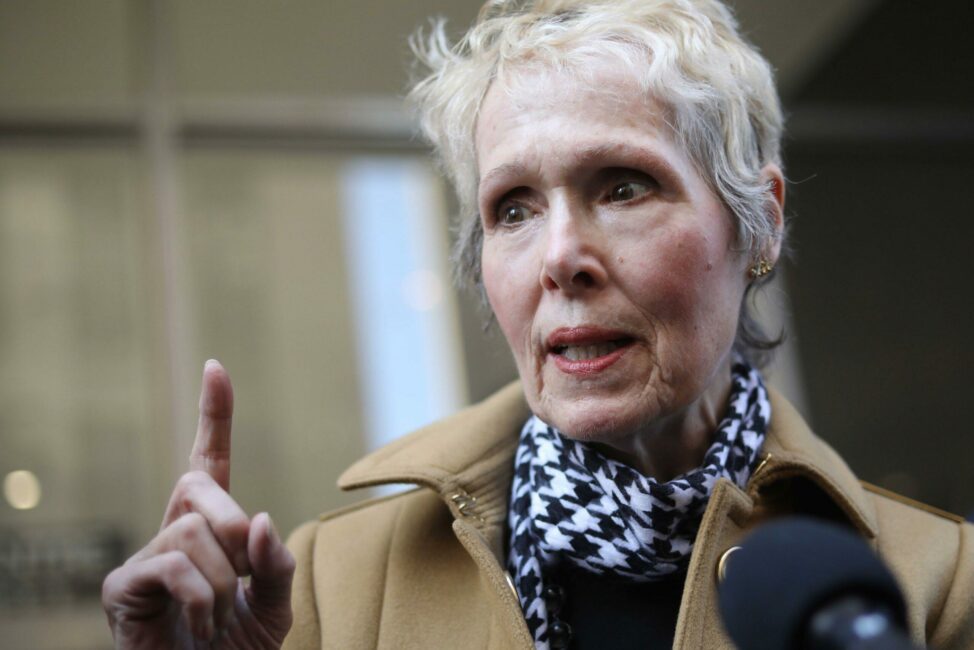
Federal prosecutors have opened a criminal inquiry involving writer E. Jean Carroll and whether she made false statements connected to her accusations against President Donald Trump, according to a report Tuesday by The New York Times.

The reported investigation marks the latest development in the legal and political dispute between the president and Carroll. She accused President Trump of sexually assaulting her in a Manhattan department store during the mid-1990s, allegations he has repeatedly denied.
CNN reported that, “Prosecutors’ theory hinges on a 2022 deposition statement by Carroll, 82, that she received no outside funding for her lawsuit, though it was later revealed that billionaire Reid Hoffman had paid some legal fees and expenses.”

She first publicly accused the president in 2019. He responded by saying Carroll fabricated the allegations for publicity and political purposes. In 2023, a federal jury found President Trump liable and awarded her $5 million in damages.
A second federal jury in 2024 awarded Carroll $83.3 million in a separate defamation case involving additional statements President Trump made about her following the first verdict.
The president has appealed both verdicts and has argued that some of his comments about Carroll were made in his official role as president and therefore should be protected. He has consistently denied wrongdoing and rejected Carroll’s allegations.
During President Joe Biden’s administration, the Justice Department argued there was insufficient basis to classify Trump’s comments about Carroll as official presidential conduct.
RSBN previously reported this month that President Trump and the U.S. Department of Justice are asking a federal appeals court to halt enforcement of an $83.3 million defamation judgment awarded to writer E. Jean Carroll while they pursue review by the Supreme Court.
Trump’s attorney, Justin Smith, wrote that the Supreme Court’s decision in Trump v. United States supports the argument that the trial may have improperly allowed claims based on actions shielded by presidential immunity.
“The decision in Trump v. United States makes clear that President Trump has a serious claim that the district court conducted the trial in this case in violation of presidential immunity,” Smith wrote.