

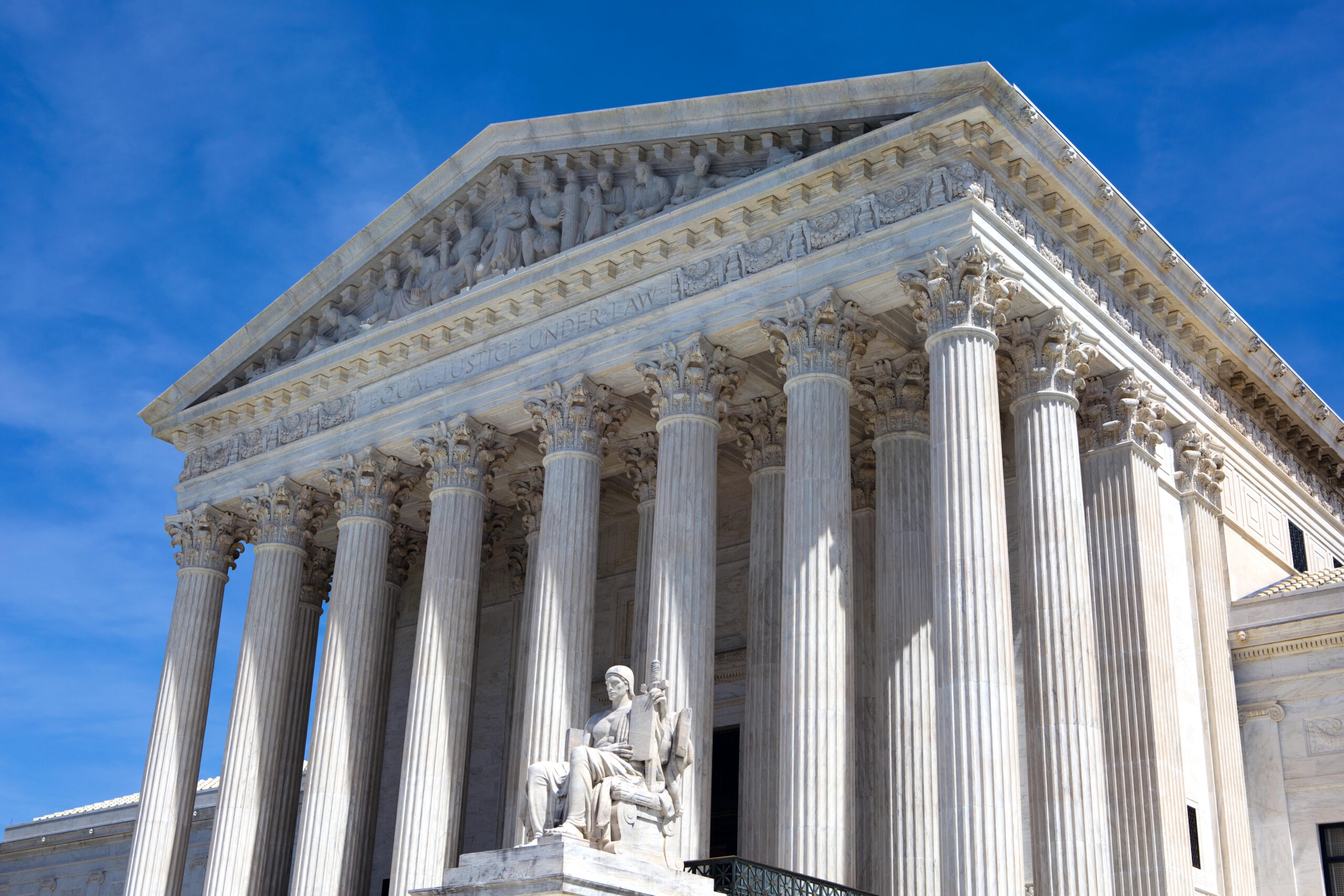
Photo: Alamy
The U.S. Supreme Court has agreed to rule on President Donald Trump’s executive order on birthright citizenship, setting the stage next year for a landmark moment in the Trump administration.

According to SCOTUSblog, the court is set to hear oral arguments in 2026 challenging the president’s executive order, which has not yet gone into effect in the United States, despite nationwide deportation efforts and immigration lockdowns.
On January 20, 2025, President Trump issued an executive order, “Protecting the Meaning and Value of American Citizenship,” which argues that the Fourteenth Amendment has been too broadly applied. The president, in the EO, argued that it shouldn’t be interpreted to “extend citizenship universally to everyone born within the United States.”

The issue at stake here is “birthright citizenship,” which essentially means that, if a foreigner has a child on American soil – including an illegal alien – their children have the right to citizenship.
The Fourteenth Amendment provision in question grants “all persons born or naturalized in the United States” citizenship. At the time of the amendment’s ratification (1868), it applied directly to slaves who had just been freed in the wake of the Civil War.
The amendment was a repudiation of a 19th-century Supreme Court case, Dred Scott v. Sandford, which ruled that African American individuals were excluded from eligibility for citizenship, an old court decision that the Trump EO described as “shameful.”
Since then, the Fourteenth Amendment, while perhaps implemented with good intentions, has been applied, in the Trump administration’s opinion, overbroadly.
“Birthright citizenship was, if you look back when this was passed and made, that was meant for the children of slaves; this was not meant for the whole world to come in and pile into the United States of America,” President Trump said in January.
