

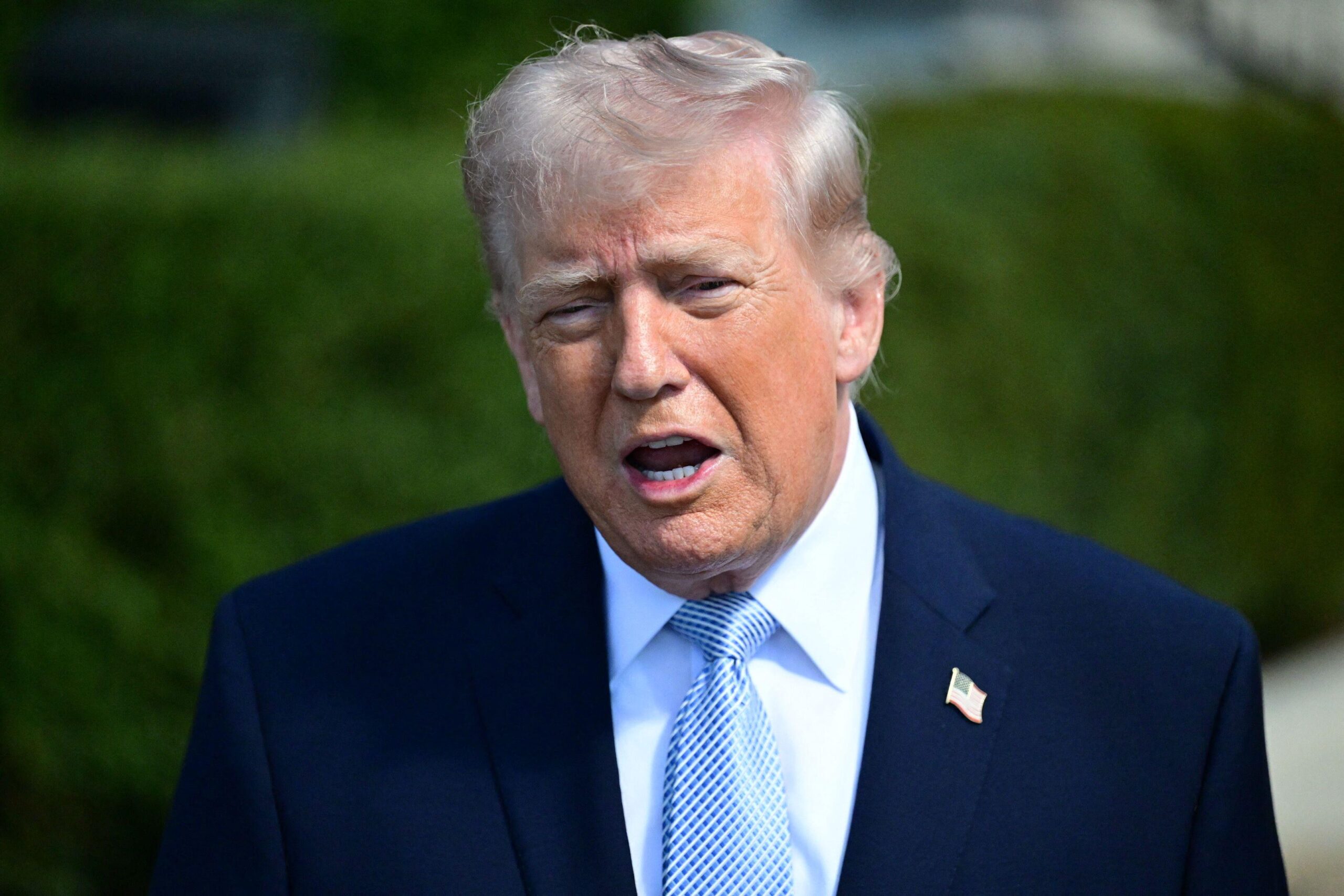
Photo: Alamy
President Trump made headline news earlier this week by dropping a massive multi-billion-dollar lawsuit against the IRS, a move that seems to have sparked two very significant results.

The case was dismissed with prejudice on May 18, according to the filing, which means that the suit cannot be brought again.
According to Axios, President Trump agreed to drop the suit in exchange for the creation of a nearly $1.8 billion fund that will be used to help individuals who were alleged targets of government weaponization.

“The machinery of government should never be weaponized against any American, and it is this Department’s intention to make right the wrongs that were previously done while ensuring this never happens again,” said Acting Attorney General Todd Blanche in an official statement this week. “As part of this settlement, we are setting up a lawful process for victims of lawfare and weaponization to be heard and seek redress.”
The Trump Organization, President Trump, and his sons, Donald Trump Jr. and Eric Trump, will receive a formal apology from the IRS, but no monetary payments, the agency announced.
According to the DOJ, the so-called “Anti-Weaponization Fund” for victims of government persecution will “have the power to issue formal apologies and monetary relief owed to claimants.”
A second surprising result from the dropping of this IRS suit for the Trump family includes the DOJ’s announcement on Tuesday that declared the agency effectively banned from “FOREVER” pursuing tax reviews linked to pre-existing inquiries against President Trump, his family, and his businesses, according to a document signed by AG Blanche.
However, it appears that this protection applies just to existing past audits, not necessarily audits that could arise in the future, based on the wording of the filing. According to the Financial Times, a DOJ spokesperson confirmed that this immunity from the IRS was “only in respect to any existing audits.”
“There would be little point in settling several significant claims if either party could simply turn around and seek to initiate more adverse claims that could have been pursued previously,” the spokesperson told the outlet.
