

Photo: Alamy
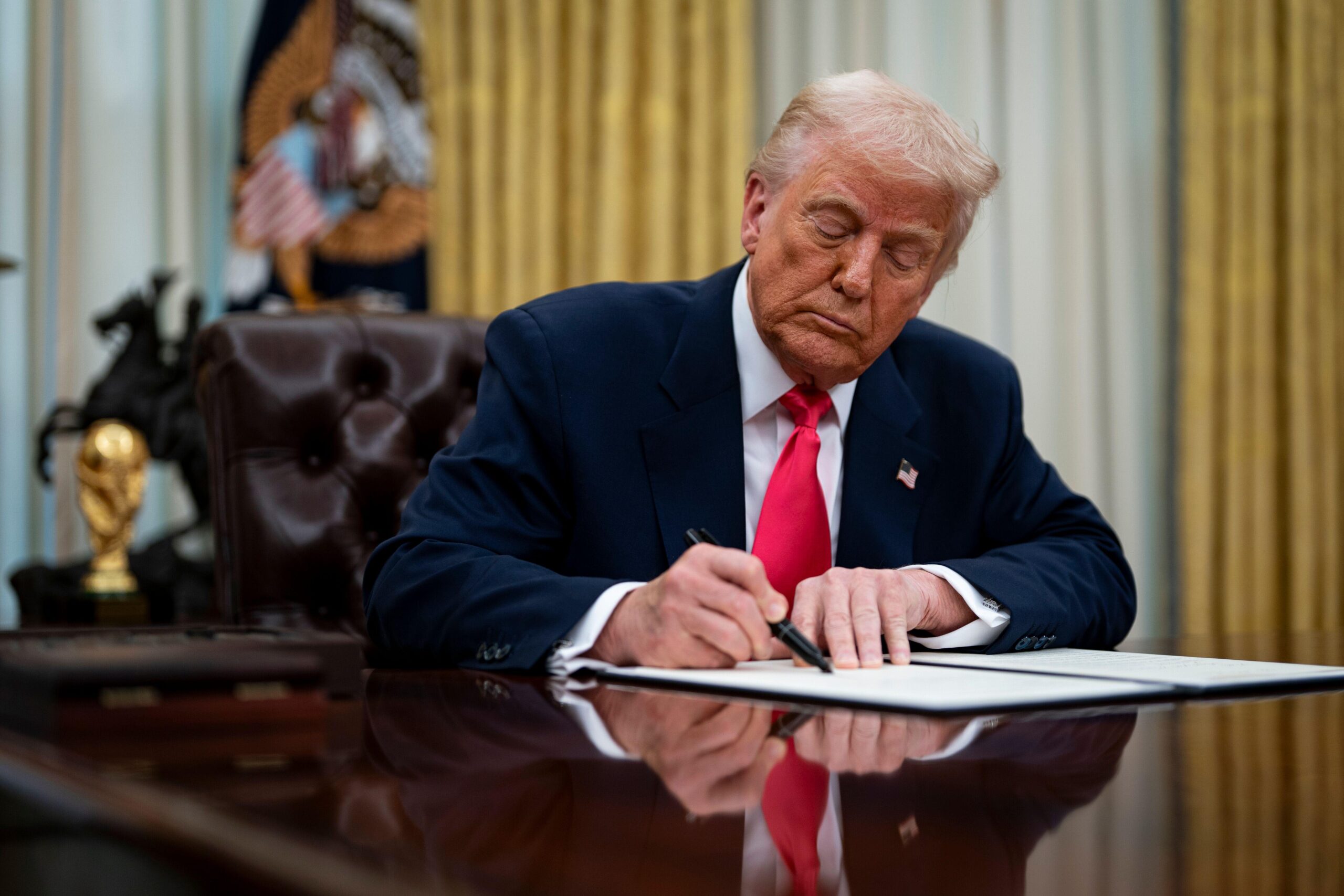
President Donald Trump on Tuesday signed a presidential memorandum directing federal health officials to crack down on deceptive prescription drug advertising, saying Americans deserve clearer information about the risks and costs of their medications.
The directive instructs Health and Human Services Secretary Robert F. Kennedy Jr. and Food and Drug Administration Commissioner Marty Makary to tighten oversight of direct-to-consumer drug promotions. Trump said the order aims to prevent ads from overstating benefits while downplaying potential harms.
“These advertisements can mislead the public about the risks and benefits, encourage medications over lifestyle changes, inappropriately intervene in the physician-patient relationship, and advantage expensive drugs over cheaper generics,” Trump wrote in the memorandum.

Under the policy, Kennedy is tasked with ensuring more detailed disclosures in television and online ads, including clear statements of side effects and risks. Makary will be responsible for enforcing existing laws that require drug companies to present truthful, balanced information.
“I’ve [never] been loyal to the special interests; I have been loyal to our patients and our people that need drugs — prescription drugs — and devoted myself completely to fighting for the American people,” Trump said in a White House fact sheet accompanying the announcement.
The fact sheet noted that in 2024, pharmaceutical companies poured more than $10 billion into direct-to-consumer advertising, making it one of the highest-spending industries in this area. The United States is one of only two countries in the world that permit drug makers to market prescription medications directly to patients. Critics argue that these ads often present an incomplete picture of a drug’s risks and benefits, encourage reliance on prescriptions instead of lifestyle changes, and place unnecessary pressure on the patient-doctor relationship.
The memorandum follows Trump’s renewed push to lower drug costs. In July, he urged pharmaceutical executives to adopt “most-favored-nation” pricing, which would tie U.S. prices to the lowest charged in other developed nations.
Trump sent that request to the leaders of AstraZeneca, Bristol Myers Squibb, Eli Lilly, EMD Serono, Genentech, Gilead, Johnson & Johnson, Merck, Novartis, Novo Nordisk, Pfizer, Regeneron and Sanofi.
The new advertising crackdown is the latest in a series of steps the administration says are designed to rein in drug prices and improve transparency for consumers. Supporters say the changes could help patients make better decisions about their care, though industry officials are expected to push back against stricter regulations.