

Photo: Alamy
The Centers for Disease Control and Prevention announced Monday a major revision to the U.S. childhood vaccine schedule, reducing the number of diseases covered by routine childhood immunizations for the first time in decades.

Deputy Health and Human Services Secretary Jim O’Neill, serving as acting CDC director, signed the decision memorandum after reviewing the findings of a comprehensive assessment ordered by President Donald Trump in December. The review compared vaccination schedules across 20 developed nations and concluded that the United States is a “global outlier” in both the number of diseases included and the total doses administered.
The report found that the U.S. does not achieve higher vaccination rates than countries that recommend fewer vaccines.

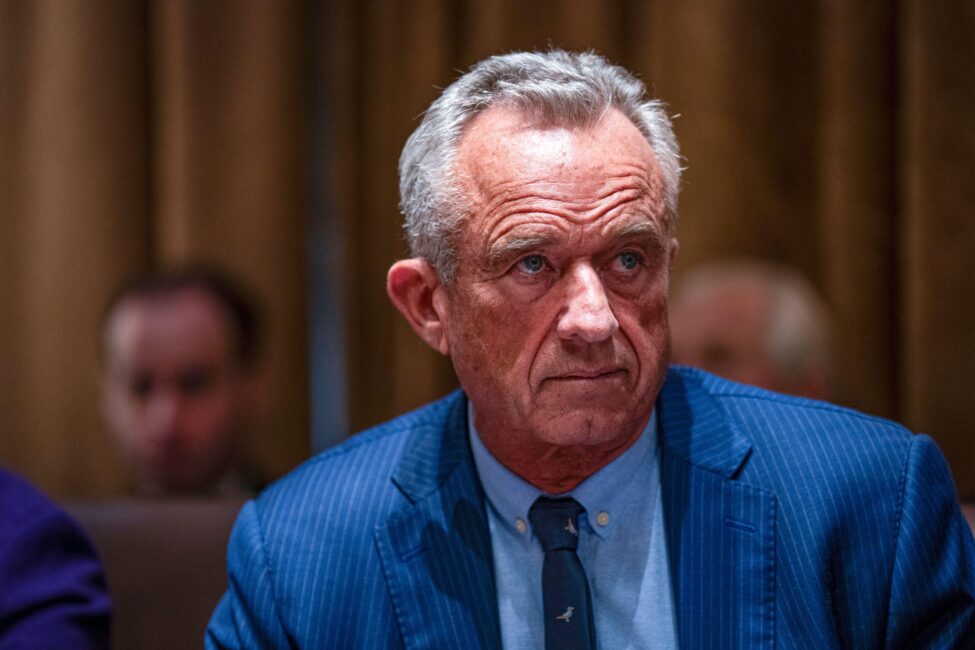
“President Trump directed us to examine how other developed nations protect their children and to take action if they are doing better,” Health and Human Services Secretary Robert F. Kennedy Jr. said in a statement.
“After an exhaustive review of the evidence, we are aligning the U.S. childhood vaccine schedule with international consensus while strengthening transparency and informed consent. This decision protects children, respects families, and rebuilds trust in public health,” he added.
Under the new framework, the CDC will continue organizing immunizations into three categories: vaccines recommended for all children, those for high-risk groups, and those based on shared clinical decision-making.
The updated schedule reduces recommendations from 18 diseases to 11. Vaccines recommended for all children will now include protection against measles, mumps, rubella, polio, pertussis, tetanus, diphtheria, Haemophilus influenzae type B (Hib), pneumococcal disease, human papillomavirus (HPV) and chickenpox.
The agency said all CDC-recommended vaccines will remain fully covered by insurance without cost-sharing.
Senior Health and Human Services officials said the change is intended to rebuild public confidence in vaccination programs after widespread distrust emerged during the COVID-19 pandemic.
“Public health works only when people trust it,” Food and Drug Administration Commissioner Dr. Marty Makary said in the CDC’s statement.
Kennedy, who has been a vocal advocate for parental choice in healthcare, described the overhaul as part of a broader effort to ensure transparency and informed consent in medical decision-making.