

Photo: Alamy
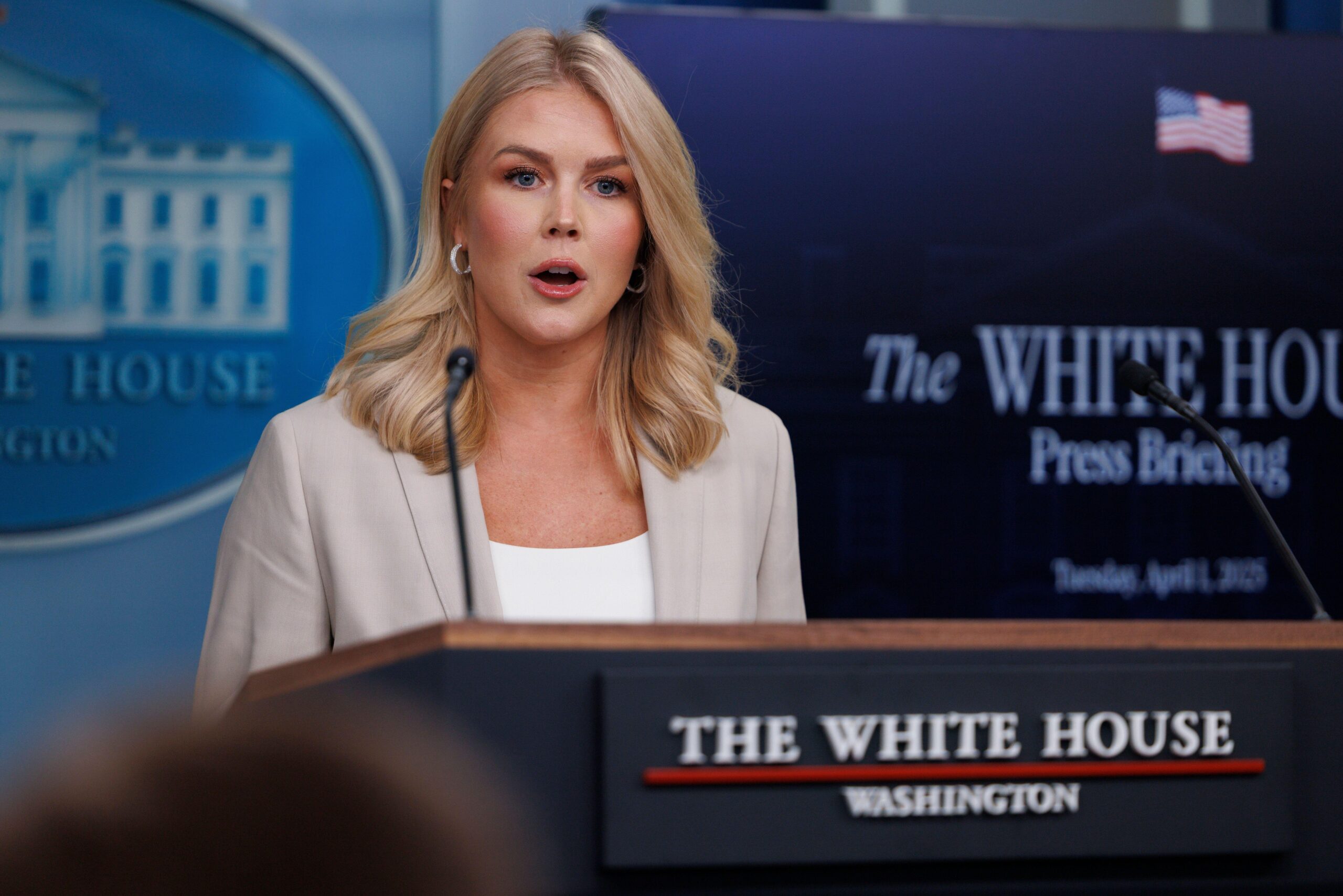
White House press secretary Karoline Leavitt on Wednesday pointed to a new study alleging political bias in Google News results, saying the findings raise concerns about how major technology platforms distribute information to Americans.

In a post on X, Leavitt referenced a report from the Media Research Center, a conservative watchdog organization.
“Media Research Center: Google News Massively Biased, Just 2% of Top Morning Stories from Conservative Outlets,” Leavitt wrote.

The group said its analysis found that only 2 percent of the top morning stories appearing on Google News came from outlets it categorized as conservative. The study examined headline placements during early morning hours, when many users check news updates.
According to the organization, the results reflect what it described as a broader imbalance in online news distribution, with mainstream or left-leaning outlets appearing more frequently in prominent positions.
“Google can pretend to hide behind its algorithm all it wants, the fact that it followed Apple News’s lead in suppressing right-leaning outlets tells you all that you need to know about the search giant’s rampant anti-conservative bias,” said MRC President David Bozell. “Google must come clean and start operating fairly. It can do so by not discriminating against right-leaning outlets.”
Researchers said they classified news sources by ideological alignment and tracked how often those outlets appeared in the top stories. Leavitt said the findings highlight longstanding concerns among conservatives about the influence of major technology companies over public debate.
Republicans have often argued that companies such as Google suppress conservative viewpoints, while Democrats have generally focused on limiting misinformation and harmful content online.
Google has repeatedly rejected allegations of political bias in its platforms. The company says its news aggregation systems rank stories using factors such as relevance, timeliness and source authority rather than political ideology.
Media analysts say measuring bias in news aggregation can be difficult because categorizing outlets by political leanings is often subjective. They also note that differences in newsroom size, publishing frequency and audience reach can influence which outlets appear most often in aggregated results.