

Photo: Alamy
On Wednesday, the U.S. Senate voted to pass the 2026 National Defense Authorization Act, and President Donald Trump is expected to sign it into law on Thursday.

The NDAA is a whopping $901 billion defense bill that supposedly saves American taxpayers $20 billion through “targeted reforms” addressing the termination of DEI-related programs in the military, as well as bureaucratic workforce reductions.
The 2026 NDAA codifies several major executive orders issued by President Donald Trump in 2025, including drone technology development, “Golden Dome” missile defense tech, and further securing the sovereignty of America’s borders.

The bill itself is over 3,000 pages long. According to a press release from Speaker Johnson, it will help America rebuild a “lethal warfighting edge” and end “Biden’s woke agenda in the military” while securing the U.S. border and establishing global deterrence.
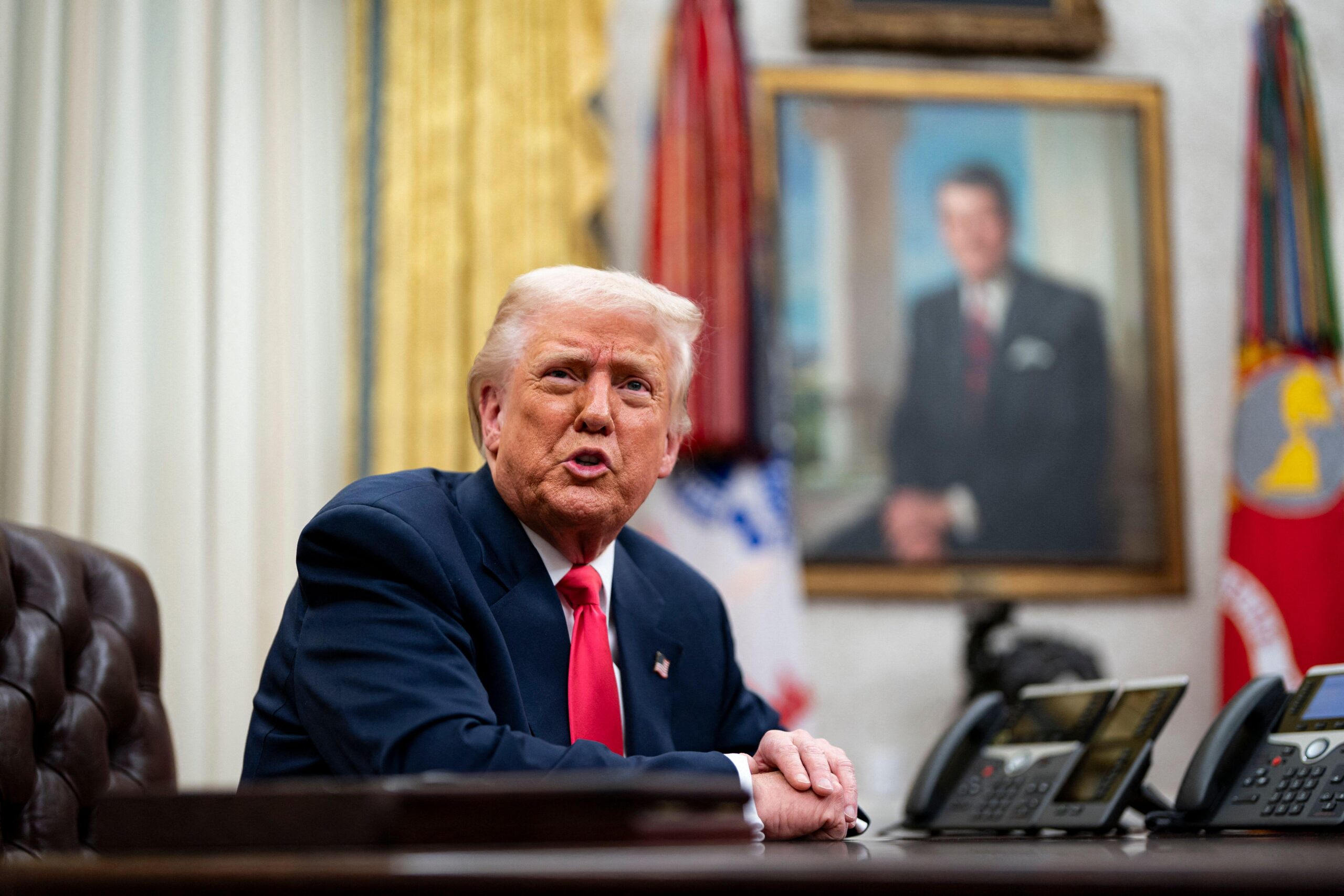
On Thursday, the White House Office of Communications added the president’s signing of the NDAA in the Oval Office to its schedule.
According to a statement of administrative policy from the White House last week, the Trump administration has strongly supported the bill and said that the NDAA would “enable the Department of War (DoW) to carry out President Trump’s Peace Through Strength agenda, protect the homeland, and strengthen the defense industrial base, while eliminating funding for wasteful and radical programs that undermine the warfighting ethos of our Nation’s men and women in uniform.”
The NDAA additionally includes a nearly four percent pay raise for U.S. military servicemembers, as well as improved housing, food, healthcare, and childcare. Further, the bill requires that the presence of U.S. troops in Europe remain static, and it also authorizes an eye-popping $800 million for Ukraine ($400 million in 2026 and another $400 million in 2027) as the Eastern European nation continues to stave off Russian forces.
The legislation also places pressure on the Department of War as it continues to attack alleged drug trafficking vessels amid escalating tensions with Venezuela. To that end, a provision in the bill withholds a quarter of Secretary of War Pete Hegseth’s travel budget pending the Pentagon’s release of unedited footage of U.S. strikes on alleged drug trafficking vessels near Venezuela for lawmakers’ review, according to the Associated Press.
