

Photo: Alamy
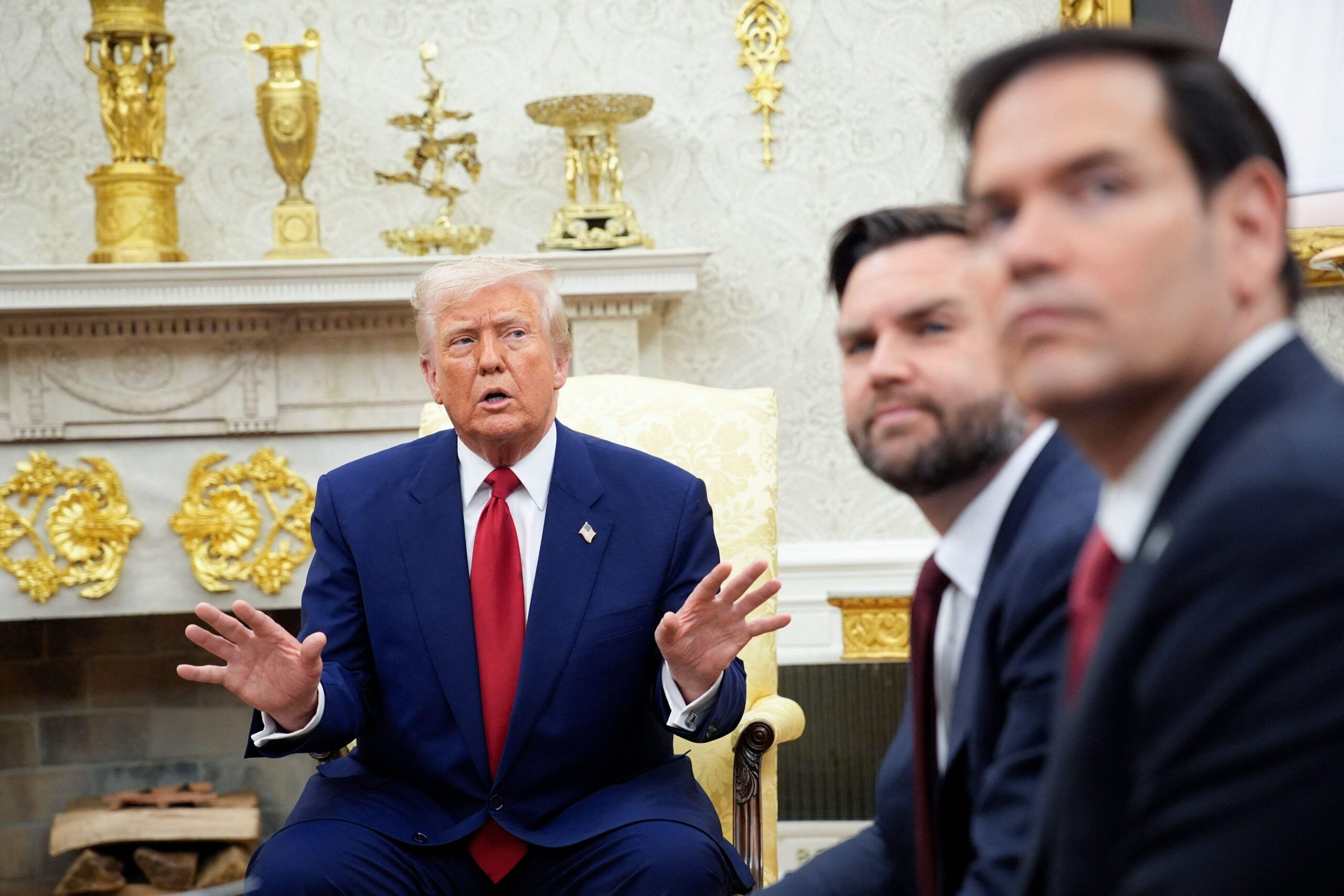
President Donald Trump on Monday suggested that Vice President JD Vance and Secretary of State Marco Rubio could form a potential presidential ticket in 2028, while emphasizing he was not offering a formal endorsement.
Speaking at a White House event honoring law enforcement during National Police Week, the president asked attendees for their views on the two officials.
“Who likes J.D. Vance? Who likes Marco Rubio? All right. Sounds like a good ticket. J.D. is a perfect — That was a perfect ticket,” President Trump said.
He added, “By the way, I do believe that’s a dream team. But these are minor details. That does not mean you have my endorsement under any circumstance. But you know … I think it sounds like presidential candidate and vice presidential candidate.”
President Trump’s comments come amid ongoing speculation about the 2028 presidential race and whether he would back one of his top allies.
Rubio previously ran for president in 2016 but ended his campaign after losing the Republican primary to President Trump. He later returned to the Senate before joining the current administration.
Vance, who was elected to the Senate from Ohio, joined Trump’s ticket in the 2024 election and now serves as vice president.
Both men have been asked about their future political plans, but have not announced any intention to run for president, instead saying they remain focused on their current roles.
Rubio has previously indicated support for Vance if he were to seek the presidency, telling an interviewer last year he would be “one of the first people to support” him.
President Trump told reporters in March that, “Marco Rubio is doing a great job. I think he’s going to go down as the greatest secretary of State in history. He’s been successful no matter where he’s been.”
On prediction market Kalshi, Rubio recently passed Vance as the most likely candidate to win in 2028 at 19 percent.
President Trump has continued to publicly praise both officials in recent months, highlighting their roles within the administration while occasionally gauging public reaction to their political prospects.