

Photo: Alamy
The Trump administration has given Cuba a two-week deadline to release political prisoners as part of ongoing negotiations over economic and political reforms, according to a source familiar with the discussions.

The demand was presented during an April 10 meeting in Cuba involving a senior delegation from the U.S. State Department, marking the first time a U.S. government plane has landed on the island since 2016.
Among those identified for possible release are dissident artists Luis Manuel Otero Alcántara and Maykel Osorbo, both associated with the San Isidro Movement and sentenced in 2022.

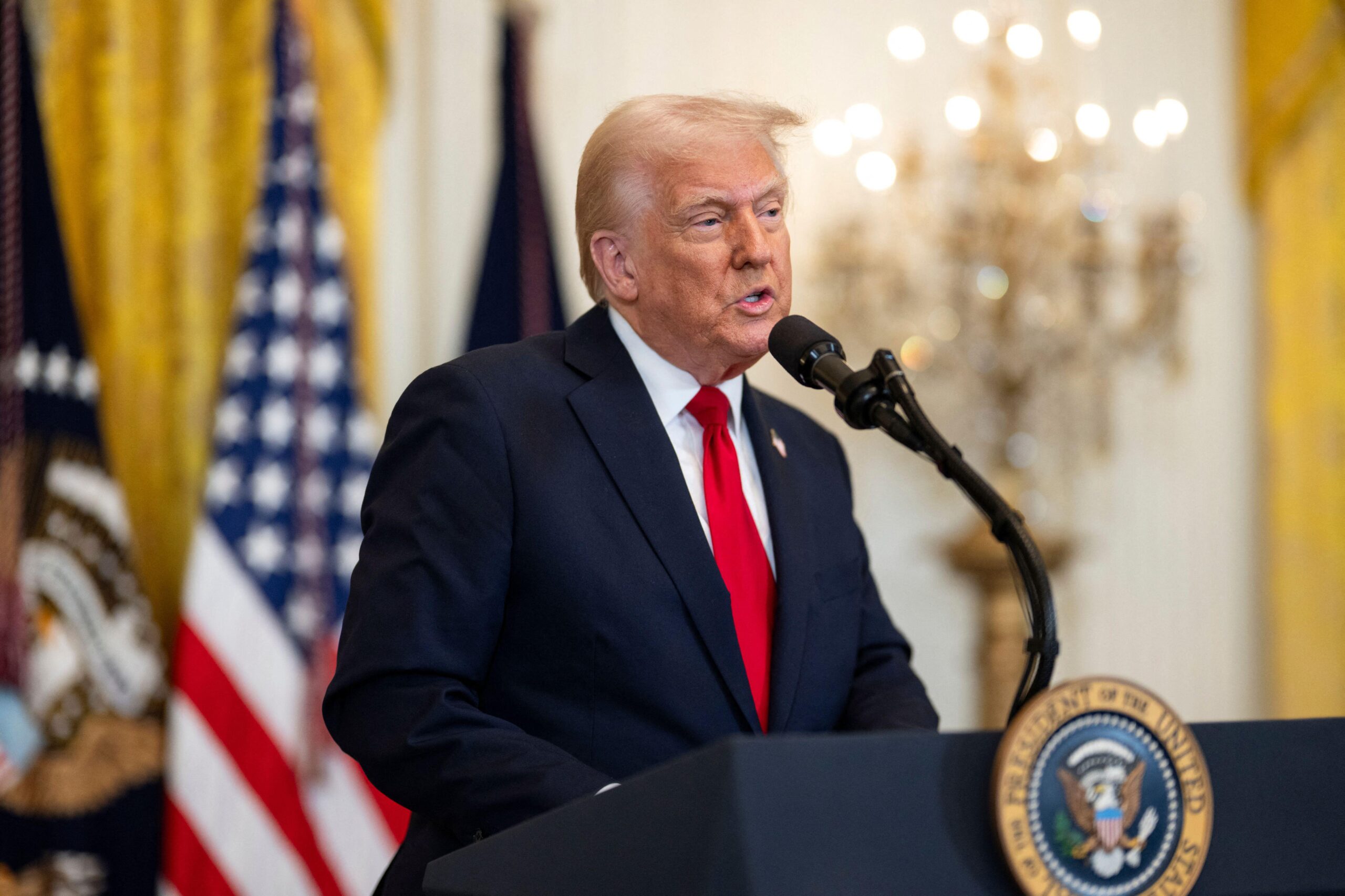
A State Department spokesperson said the administration remains committed to securing the release of all political prisoners and pointed to recent remarks by Donald Trump that a “new dawn for Cuba” is possible. The spokesperson said Cuban officials have a limited window to respond as direct talks continue.
U.S. officials warned Cuban leaders that the country’s economy is deteriorating and could worsen without reforms, according to a source familiar with the discussions.
The administration is seeking broader economic changes, including expanded foreign investment, compensation for confiscated American-owned property and increased political freedoms.
The proposal also includes introducing high-speed satellite internet through Starlink as part of efforts to modernize infrastructure. Discussions also included a separate meeting involving a U.S. delegation member and a relative of former Cuban leader Raúl Castro.
Tensions between Washington and Havana have risen in recent weeks as the U.S. has tightened sanctions and restricted oil shipments to the island.
President Trump has said he remains open to a diplomatic resolution but has not ruled out stronger measures.
“Well, it depends on what your definition of military action is,” President Trump said when asked about potential responses if talks fail.
Cuba’s president has warned against serious threats. “The moment is extremely challenging and calls upon us once again, as on April 16, 1961, to be ready to confront serious threats, including military aggression. We do not want it, but it is our duty to prepare to avoid it and, if it becomes inevitable, to defeat it.”
Officials say the administration is weighing multiple options as negotiations continue.