

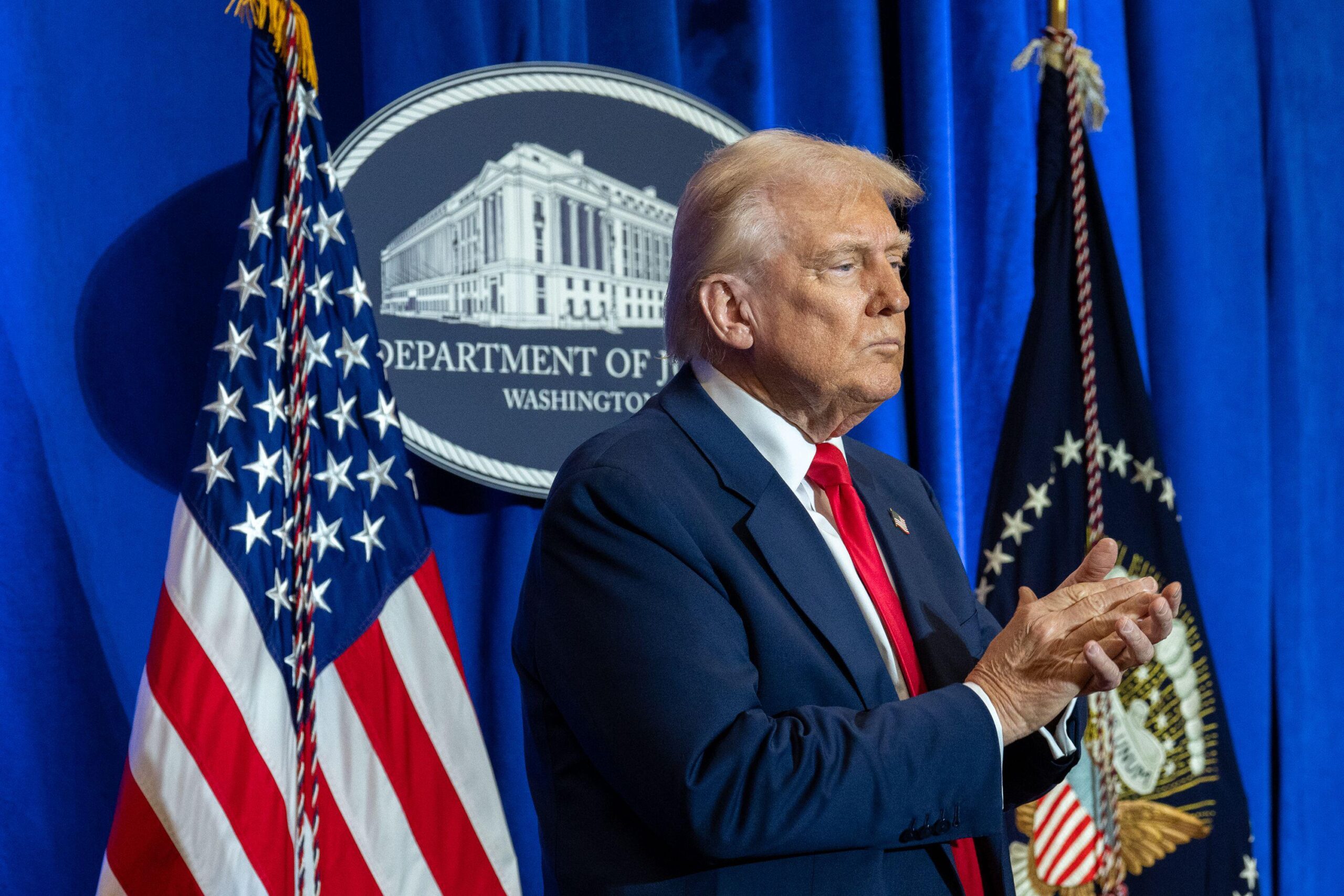
Photo: Alamy
President Donald Trump said he would impose sweeping tariffs on countries that continue to do business with Iran, escalating his administration’s pressure campaign against the Islamic Republic.

In a post on Truth Social, the president wrote that “effective immediately, any country doing business with the Islamic Republic of Iran will pay a tariff of 25% on any and all business being done with the United States of America.”
The announcement signals a significant shift in strategy by threatening broad tariffs on third countries rather than limiting penalties to targeted sanctions against specific companies or transactions tied to Iran.

The White House did not immediately issue an executive order or release a formal tariff schedule. Administration officials also did not clarify how compliance would be monitored, how trade with Iran would be defined, or when the tariffs would be assessed.
Reuters has reported that senior administration officials have discussed using secondary tariffs to force foreign governments to choose between access to U.S. markets and continued trade with Iran.
Treasury Department officials have repeatedly said Iran depends heavily on oil exports and commercial trade to finance its government, military operations, and regional allies. Trump echoed that view by warning that any country providing Iran with economic support could face penalties.
The Treasury’s Office of Foreign Assets Control has said in recent sanctions actions that revenue from Iranian oil exports can be used to support Iran’s nuclear program and militant groups operating across the Middle East.
Iranian state-aligned media condemned Trump’s tariff threat, describing it as a form of economic warfare aimed at intimidating Iran’s trading partners rather than a legitimate trade policy.
Analysts said China is likely the most exposed under the proposed approach, as it is widely regarded as the largest purchaser of Iranian oil. Chinese officials have previously rejected U.S. efforts to change their energy buying decisions.
European diplomats have warned in past disputes that secondary penalties can strain alliances by forcing U.S. partners to comply with American policy or risk losing access to the American consumer market.