

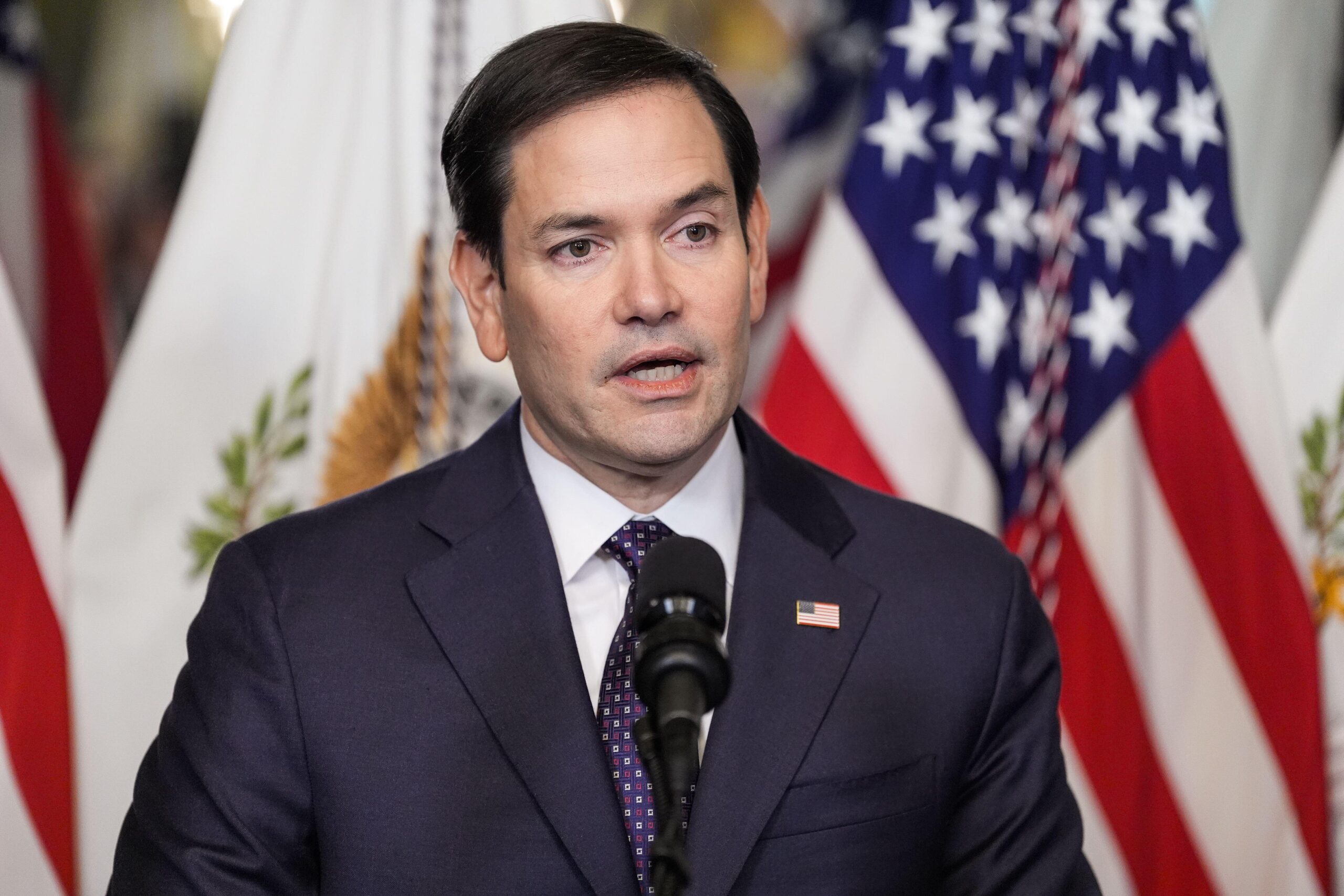
Photo: Alamy
Secretary of State Marco Rubio said Wednesday that the United States has reached agreements with 20 countries to accept migrants living in the country illegally who refuse to return to their nations of origin.

Rubio described the arrangements as a major part of President Donald Trump’s broader immigration enforcement strategy during a Cabinet meeting at the White House.
“A part of securing our border is dealing with the people that are in this country unlawfully, many of whom do not want to go back to the country that they originally came from,” Rubio said.

According to Rubio, the agreements allow the United States to deport certain migrants to safe third countries when direct removal to their home nations cannot be completed.
He said some deportations become difficult because migrants’ countries of origin refuse to accept them or because court rulings delay removals.
“One of the key things we have achieved is now 20 countries have signed third-country national agreements,” Rubio said. “These are safe countries where individuals who refuse to go back to their country of origin can be sent to that country instead.”
Rubio did not identify the countries participating in the agreements or say when the arrangements were finalized.
The agreements significantly expand the administration’s deportation framework as President Trump continues pursuing stricter immigration enforcement policies centered on border security and the removal of people living in the United States illegally.
Rubio said the United States Department of Homeland Security has worked closely with the State Department to implement the policy. He also said the possibility of deportation to a third country has prompted some migrants to voluntarily return to their home countries.
Immigration enforcement has remained one of the administration’s top priorities during the president’s second term, with officials arguing that stronger deportation policies are necessary to deter illegal immigration and strengthen border security.
The administration has maintained that the countries participating in the agreements are considered safe destinations and that deportations are coordinated with federal immigration authorities and international partners.