

Photo: Alamy
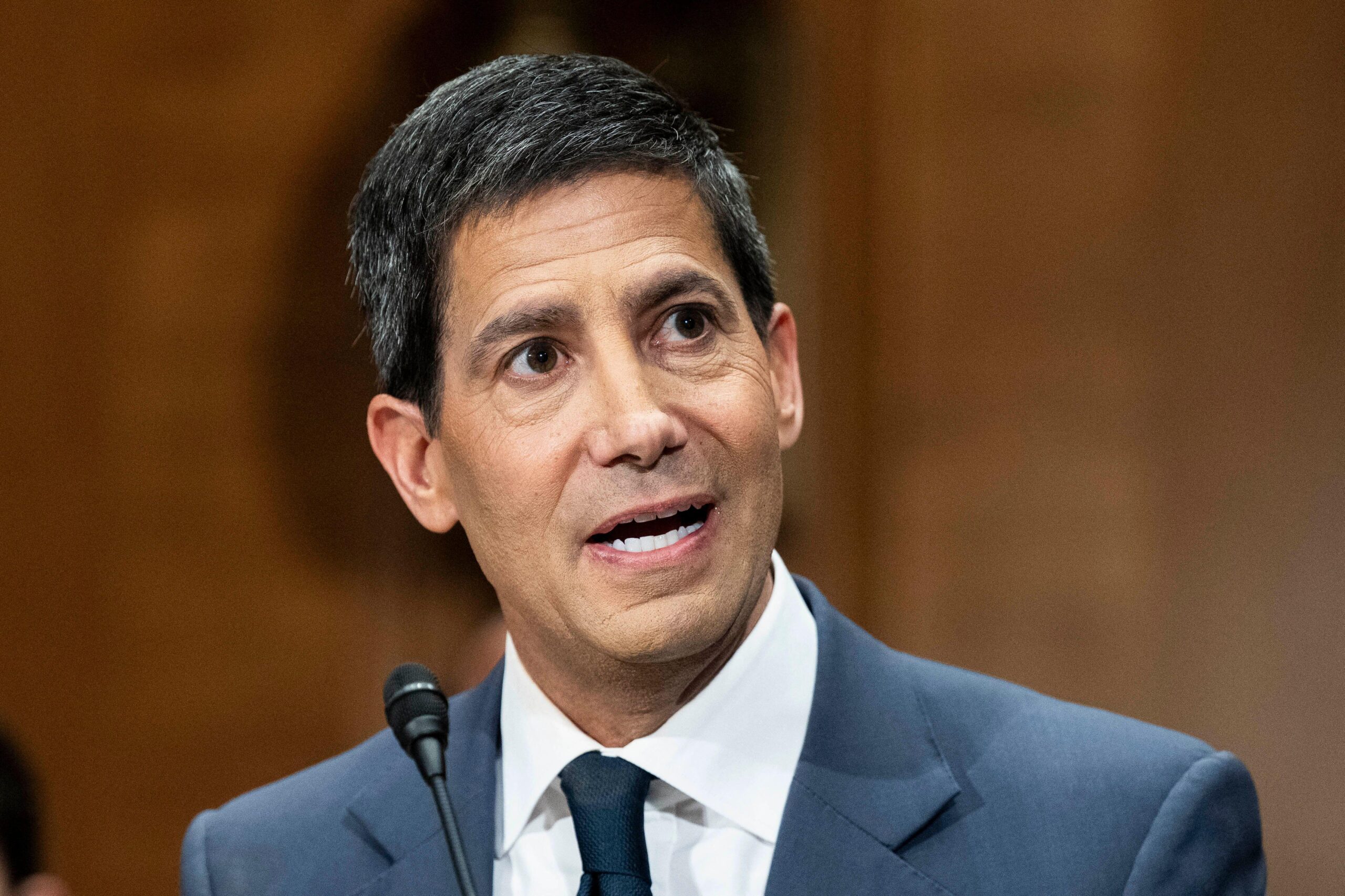
Federal Reserve Chairman Kevin Warsh said Wednesday that the central bank remains firmly committed to returning inflation to its 2 percent target, emphasizing that price stability is the Fed’s top priority as officials consider future interest rates.

Speaking at his first press conference as chairman, Warsh said policymakers are united in their commitment to controlling inflation, even as members of the Federal Open Market Committee remain divided over the direction of future rate decisions.
“We have the capability and commitment to deliver on price stability of 2 percent, and that’s exactly what we’re going to do,” Warsh said.

While officials are not currently leaning strongly toward either raising or lowering rates, Warsh made clear that no immediate rate cuts are planned.
Asked whether the Fed intends to reduce rates in the near future, he responded simply: “No.”
Warsh argued that the central bank has lost credibility over the past several years and pledged to restore confidence by renewing its focus on inflation and improving policymaking.
“As chairman of the Federal Reserve System, my first objective is to get monetary and price stability right,” he said.
A key part of that effort will involve overhauling how the Fed analyzes economic conditions. Warsh announced plans to establish multiple internal task forces, including one focused on developing real-time inflation measurements that are less dependent on data revisions.
Warsh also indicated that the Fed may rethink how it communicates with financial markets. One of his first decisions as chairman was ending the use of “forward guidance,” the practice of signaling likely future interest-rate moves to investors.
Instead, he said markets should respond primarily to incoming economic data rather than trying to anticipate central bank actions.
The chairman expressed optimism about the broader economy, describing the labor market as strong and suggesting that artificial intelligence could provide a significant boost to future growth.
Financial markets reacted cautiously to his remarks. The Dow Jones Industrial Average fell more than 500 points after the press conference, while Treasury yields moved higher as investors increased expectations that interest rates could rise rather than fall this year.